30 Clean Energy Sectors to Power Oman’s Growth: What This Means for Investors and Entrepreneurs
MUSCAT, DEC 31 — A recent report by the Majan Council, a Muscat-based think tank dedicated to regional development, has identified 30 clean energy sectors with significant potential to propel Oman’s industrial and economic growth.
The report, titled Foresight for Resilience: The Oman Clean Energy Strategic Outlook, is one of three key projects shaping the future of Oman’s clean energy economy and workforce. These studies were developed in partnership with the Oman Energy Association (OPAL) and supported by the Ministry of Energy and Minerals alongside the Ministry of Labour.
The identified sectors are grouped into three categories: Energy Development and Services, Manufacturing, and Final Products.
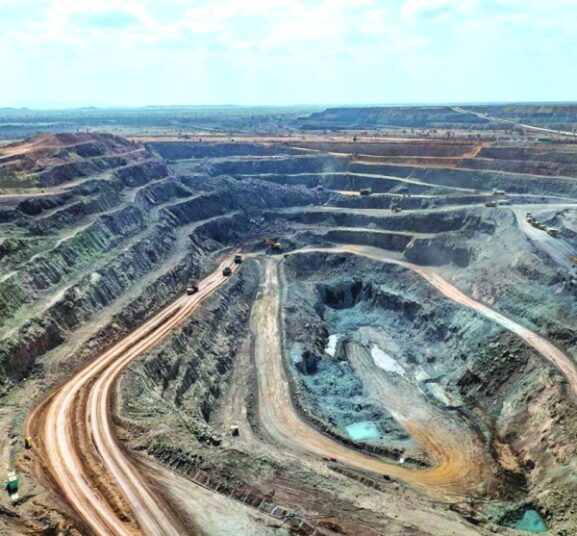
Energy Development and Services covers both emerging and established fields such as advanced bioenergy, artificial intelligence, Web 3.0, renewable technologies including solar, wind, ocean, and geothermal power, hydrogen production and infrastructure, electric vehicle infrastructure, data centres, building energy efficiency, as well as minerals and metals extraction.
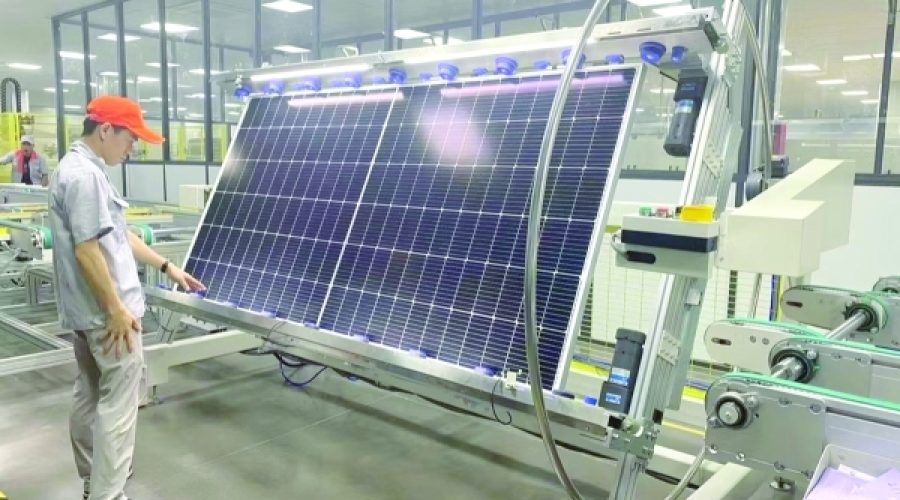
The Manufacturing category focuses on key industrial components for the energy transition including battery and electrolyser manufacturing, carbon capture technologies, fuel cells, heat pumps, inverters, variable speed drives, mechanical storage systems, water filtration membranes, solar photovoltaic (PV) panels, wind turbines, and minerals and metals processing.
Final Products emphasize downstream industries with added value such as clean cement and concrete, clean steel and aluminium, hydrogen-based fuels, and non-conventional construction materials.
The Majan Council selected these sectors based on criteria including viability in domestic and export markets, economic robustness, innovation potential, investment accessibility, macroeconomic resilience, and compatibility with Oman’s existing industrial and economic structure.
Dawud Ansari, President of the Majan Council and lead author of the report, stated that the study combines strategic foresight, detailed sector analysis, and policy research to address critical questions regarding Oman’s future energy economy, external influencing factors, priority sectors, and the necessary institutional and policy mechanisms to foster industrial growth.
He added that the report provides actionable recommendations for industrial policy and institutional frameworks to support sector emergence and expansion. Ansari emphasized that although some sectors show greater promise, successful industrialization requires a holistic approach—developing integrated industrial ecosystems that enhance resilience, stimulate local demand, and nurture a domestic knowledge economy.
Significant progress is already underway in Oman’s clean energy manufacturing landscape. Notable investments include the United Solar Polysilicon facility at SOHAR Port and Freezone, which is designed to produce up to 100,000 tonnes of high-purity polysilicon annually, a crucial material for solar PV production.
Adding to this, Chinese photovoltaic leader JA Solar is establishing a solar cell and module manufacturing plant in Suhar with annual capacities of 6 GW for solar cells and 3 GW for modules.
In the wind energy sector, the state-backed Mawarid Turbine is creating a wind turbine manufacturing facility in the Duqm Special Economic Zone to serve both domestic needs and regional markets. Additionally, in the Salalah Free Zone, a battery materials and production project valued at around $488 million aims to develop lithium battery component manufacturing to support electric vehicles and energy storage, with phased output capacity projected to reach 100 GWh.
These initiatives mark pivotal steps toward positioning Oman as a regional hub in the clean energy industry.
Special Analysis by Omanet | Navigate Oman’s Market
The Majan Council’s identification of 30 clean energy sectors signals a transformative shift for Oman’s industrial landscape, offering businesses a chance to integrate into emerging, high-value ecosystems. Smart investors and entrepreneurs should capitalize on the growing clean energy infrastructure—such as solar polysilicon, wind turbines, and battery manufacturing—positioning Oman as a regional clean energy hub while anticipating policy support aimed at ecosystem development and economic diversification. This presents both robust growth opportunities and risks tied to the pace of industrialization and global clean energy demand trends.