Impact of Renewables on Oman’s Energy Landscape: How 40% Power Supply by 2040 Affects Your Business Opportunities
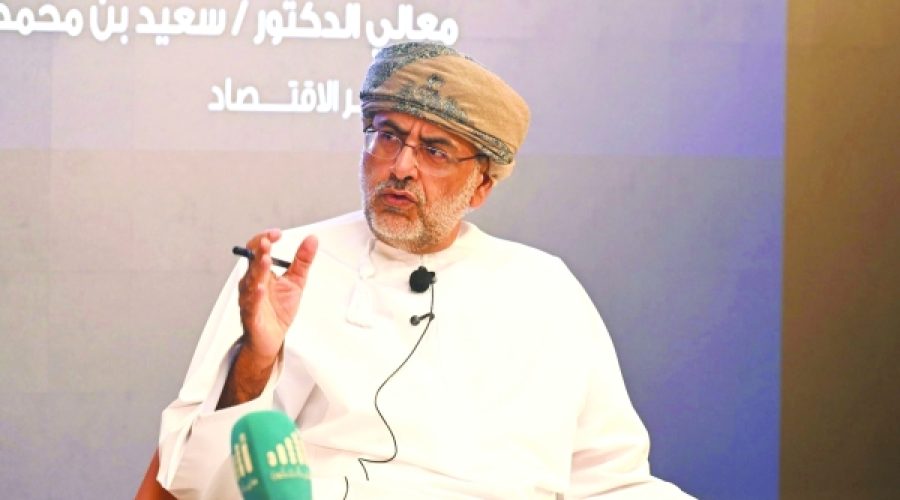
Dr. Said bin Mohammed Al Saqri, the Minister of Economy, has characterized the Clean Energy and Green Hydrogen sector as the “economy of the future,” emphasizing that renewable energy and hydrogen initiatives are poised to transform Oman’s economic landscape in the coming years.
During his address at the 29th Economic Council meeting, organized by the Omani Economic Association, Dr. Al Saqri underscored the growing significance of clean energy in Oman’s economic transformation. He stated that sustainability is not an ancillary aspect but a fundamental cornerstone of the country’s future economic planning, especially as the global community moves towards cleaner and more competitive growth models.
“The upcoming Five-Year Plan will emphasize a low-carbon economy—a direction of critical importance. We are committed to scientific evidence that clearly indicates the urgency of reducing harmful carbon emissions. Oman has developed a comprehensive strategy to achieve net-zero emissions by 2050,” he remarked.
Dr. Al Saqri pointed out that renewable energy is not merely an environmental choice but also a strategic driver for future competitiveness and energy security. He elaborated, “Renewable energy delivers substantial value—whether through solar or wind sources. Our target is for approximately 40% of Oman’s electricity generation to come from renewable sources by around 2040.”
Regarding investments in green hydrogen, the Minister acknowledged recent changes in global trends. “There has been a slowdown—not just in Oman but worldwide—due to a dip in investment momentum in green hydrogen projects. However, we are optimistic that this phase will be followed by renewed growth, with data indicating a rising demand for green hydrogen by 2030,” he stated.
He also commented on recent corporate decisions affecting the sector: “BP’s decision to withdraw from green hydrogen is not unique to Oman; it reflects a broader rethink across several markets for various reasons. Nevertheless, all other investments in Oman continue to progress as planned, aligning with our national strategy and timelines.”
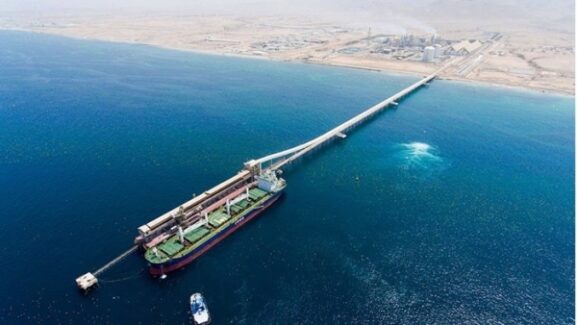
It is important to note that BP, having concluded its involvement in the Duqm Green Hydrogen Project as part of its global portfolio realignment, still plays a significant role in the Hyport Duqm project in the Sultanate.
In discussing the future of oil and gas amidst this transition, Dr. Al Saqri asserted that traditional energy sources will remain crucial, even with the rise of cleaner alternatives. “I believe the demand for oil and gas will persist in the medium to long term. However, we anticipate enhanced energy efficiency and a broader shift toward alternative and clean energy sources, which will constitute a substantial share of future global energy consumption,” he concluded.
Special Analysis by Omanet | Navigate Oman’s Market
Oman’s focus on renewable energy and green hydrogen as foundational elements for its economic future presents significant opportunities for businesses in sustainable technologies and infrastructure development. As the country aims for a low-carbon economy by 2040, smart investors should strategically position themselves in emerging clean energy sectors to capitalize on anticipated growth, while also navigating potential risks linked to fluctuating investment trends in green hydrogen. Entrepreneurs must be prepared to adapt to a landscape where traditional energy sources coexist with renewables, ensuring they leverage efficiency and sustainability in their operations.