Oman’s Robust RO 4.7 Billion Trade Surplus: What It Means for Investors and Business Growth
MUSCAT: Oman’s trade balance posted a surplus of RO 4.69 billion by the end of October 2025, down from a surplus of RO 7.307 billion in the same period of 2024. This decline reflects weaker export performance combined with rising imports, according to preliminary data from the National Centre for Statistics and Information.
The total value of merchandise exports decreased by 8 percent to RO 19.359 billion by October 2025, compared to RO 21.048 billion a year earlier. Conversely, merchandise imports increased by 6.8 percent, reaching RO 14.669 billion, up from RO 13.741 billion during the same period in 2024.
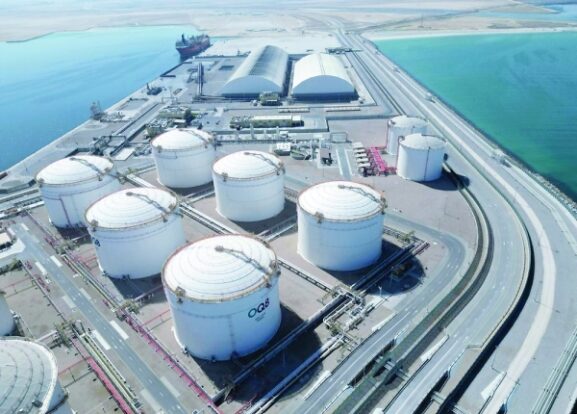
The reduction in export value was mainly due to a sharp 16.3 percent drop in oil and gas exports, which fell to RO 12.135 billion from RO 14.497 billion. However, non-oil merchandise exports grew by 9.9 percent to RO 5.612 billion, up from RO 5.106 billion, while re-exports increased by 11.6 percent to RO 1.612 billion, compared with RO 1.445 billion previously.
The UAE remained the leading destination for non-oil exports with RO 1.070 billion, marking a 27.6 percent year-on-year increase, and also led re-exports at RO 532 million. Re-exports to Oman from other countries totaled RO 3.491 billion.
Saudi Arabia was the second-largest recipient of non-oil exports at RO 920 million, followed by India at RO 597 million. In re-exports, Iran ranked second with RO 324 million, followed by the UK at RO 179 million. On the import side, China was the second-largest source at RO 1.556 billion, followed by Kuwait at RO 1.257 billion. — ONA
Special Analysis by Omanet | Navigate Oman’s Market
Oman’s shrinking trade surplus, driven by a significant decline in oil and gas exports, underscores the urgent need for economic diversification as non-oil exports and re-exports show promising growth. For businesses and investors, this signals a strategic opportunity to capitalize on expanding non-oil sectors and regional trade ties, particularly with the UAE and Saudi Arabia. Smart entrepreneurs should consider focusing on innovation and market expansion in non-oil industries to mitigate risks linked to volatile hydrocarbon markets.