RO 1.275 Billion in Projects Advancing in Salalah Free Zone: What This Means for Investors and Entrepreneurs in Oman
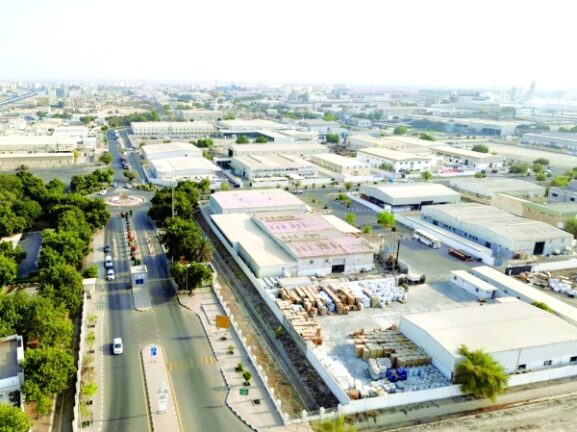
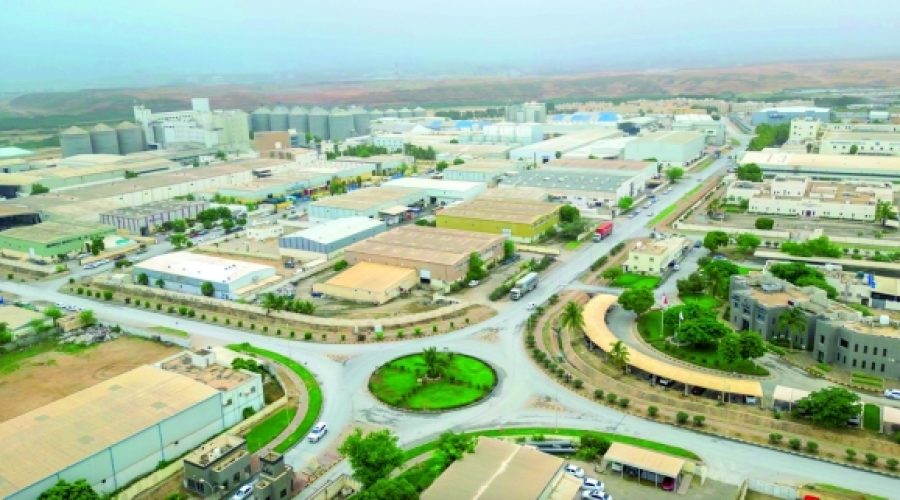
MUSCAT: The Salalah Free Zone is currently witnessing substantial investments totaling approximately RO 1.275 billion across various sectors, including industrial manufacturing, petrochemicals, green energy, food processing, and logistics. This development highlights the continued attractiveness of one of Oman’s most established economic hubs.
Dr. Ali Mohammed Tabouk, CEO of Salalah Free Zone, reported that these investments, primarily secured in 2025 and initiated in previous years, have elevated the cumulative investment value of the free zone to RO 5.1 billion as of the third quarter of 2025, up from RO 4.7 billion at the end of 2024. He noted that this investment surge, predominantly driven by foreign direct investment, can be attributed to the zone’s “competitive environment,” which facilitates full foreign ownership and offers tax and customs exemptions. The integrated logistics available through the Port of Salalah and Salalah Airport further enhances the zone’s appeal as a prime investment destination.
In an interview with Duqm Economist, Dr. Tabouk emphasized that the free zone currently hosts 106 active industrial tenants and service providers. These businesses are supported by a diverse portfolio of relatively new projects at various stages of planning and development. Among the 18 projects underway, the Al Baleed Petrochemical project is particularly noteworthy. Developed by Türkiye-based investors, the project aims to establish a comprehensive petrochemicals park that will include multiple processing units for propane dehydrogenation (PDH) and maleic anhydride production, bolstering Oman’s position in the regional petrochemical landscape.
Another significant initiative is a RO 189 million battery materials project by GFCL India, which focuses on producing advanced materials for electric vehicle (EV) batteries. This initiative positions the free zone as a center for clean-energy supply chains and is expected to serve both regional and international EV markets, fostering downstream manufacturing and supporting Oman’s broader objectives for energy transition and green industry.
The Salalah Petroleum Company (SPCO) is investing RO 33.8 million to expand the zone’s energy and petrochemical capabilities through a new downstream complex for oil and petroleum products. Additionally, the wholly state-owned integrated energy group OQ plans to develop strategic fuel storage capacity at a cost of RO 48 million, reinforcing Oman’s energy security and logistics infrastructure.
In the food sector, International Industries is investing RO 173 million in an integrated food complex, which will streamline various stages of food production, processing, packaging, and distribution within a single ecosystem. This project is expected to enhance domestic production and export potential. Furthermore, Al Ittihad for Industry and Trade is establishing a RO 3.8 million tahini production facility, while Petideal, a Chinese investor, is setting up a pet food plant. Other notable projects include Good Detergents (RO 38.5 million), Al Rabie Food Industries (RO 18.4 million), and the Industrial Metals Company (RO 7.7 million).
Dr. Tabouk also highlighted that new projects from Türkiye, Malaysia, and Oman in packaging and logistics services are anticipated to strengthen the zone’s supporting infrastructure, thereby improving supply-chain efficiency, value-added services, and connectivity for manufacturers operating within this industrial ecosystem.
Special Analysis by Omanet | Navigate Oman’s Market
The ongoing investments of RO 1.275 billion in the Salalah Free Zone signal a robust commitment to diversification across key sectors such as petrochemicals and green energy. This provides strategic opportunities for businesses to leverage Oman’s competitive advantages, like full foreign ownership and tax exemptions, while positioning them to capture emerging markets, particularly in sustainable technologies. Investors should focus on these developments to identify high-growth projects and potential partnerships that align with Oman’s energy transition and industrial expansion objectives.