Trump’s New European Tariffs: How Will They Affect Your Business Strategy and Costs?
Trump Announces Tariffs in Bid for Control of Greenland, Drawing Backlash
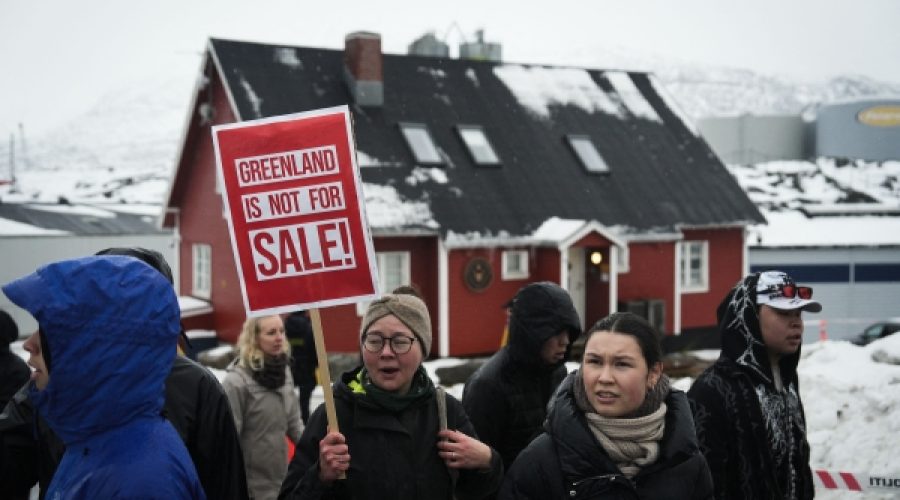
President Donald Trump took to social media on Saturday to declare a new strategy aimed at acquiring Greenland, proposing tariffs on several European nations until they agree to negotiate the territory’s sale. Greenland, an autonomous territory of Denmark, will face a 10% tariff on all goods exported to the United States starting February 1. Norway, Sweden, France, Germany, Britain, the Netherlands, and Finland—NATO allies supporting Denmark—are also included in this tariff plan.
Should these countries resist, Trump warned that the tariff could escalate to 25% on June 1, "until such time as a Deal is reached for the Complete and Total purchase of Greenland."
European leaders expressed widespread outrage at Trump’s actions, as did some lawmakers in Washington, including Republicans. The announcement raised concerns about the future of a recently negotiated trade deal with the European Union.
Trump emphasized the need for U.S. control over Greenland as a countermeasure against Chinese and Russian ambitions in the Arctic, despite an existing 1951 agreement that grants the U.S. rights to expand its military presence in the territory.
This tariff threat coincides with a Supreme Court review of the authority Trump intends to use for these tariffs. The court is expected to rule on the legality of the International Emergency Economic Powers Act, which Trump has employed to impose tariffs on various countries over the past year. A negative ruling could hinder his ability to impose such tariffs.
Currently, the U.S. levies a 10% tariff on British goods and a 15% tariff on EU imports, following limited trade agreements made last year. Additional tariffs would be added on top of these existing rates, potentially impacting consumer prices as importers typically pass these costs onto buyers.
On Friday, during a healthcare event, Trump suggested imposing tariffs if countries didn’t comply regarding Greenland. The following day, he issued a lengthy social media post expressing his belief that the U.S. has been unfairly subsidizing Denmark and other EU nations for years without charging tariffs.
French President Emmanuel Macron swiftly responded, asserting that "no intimidation or threat will influence us," while underscoring that such tariff threats are "unacceptable." Sweden’s Prime Minister also strongly rejected the notion of being coerced, arguing that decisions regarding Denmark and Greenland belong solely to them.
British Prime Minister Keir Starmer criticized the tariffs, calling them "completely wrong" and highlighting the importance of collective NATO security. His opposition echoed among leaders of the main political parties in Britain.
Danish Foreign Minister Lars Lokke Rasmussen expressed surprise at Trump’s announcement and confirmed Denmark’s commitment to working with the European Commission and other partners.
U.S. lawmakers also reacted critically, with Republican Representative Don Bacon labeling the tariffs "foolish" and akin to tactics used by Russian President Vladimir Putin. His comments reflect concerns that any military action aimed at Greenland could alienate Trump’s own supporter base.
As military exercises involving European troops in Greenland continued, U.S. Senator Thom Tillis condemned the tariffs for their potential to damage relations with allies and bolster adversaries like Russia and China.
Analysts warned that these new tariffs could sabotage the existing agreement regarding EU tariffs and escalate into a full-scale trade war. Ursula von der Leyen, President of the European Commission, emphasized the need for dialogue and cautioned against the risks of undermining transatlantic relations.
In summary, Trump’s latest tariff push has ignited diplomatic tensions and raised questions about U.S. relations with European allies, all centered around Greenland.
Special Analysis by Omanet | Navigate Oman’s Market
The recent announcement of tariffs by President Trump on European nations poses significant risks for global trade, potentially destabilizing established relationships and leading to retaliation that could impact markets worldwide. Businesses in Oman should remain vigilant, as shifts in international trade dynamics can create opportunities in new markets or necessitate adjustments to supply chains. Smart investors and entrepreneurs should consider the changing landscape and explore alternatives in regions less affected by these tariffs to mitigate potential losses and capitalize on emerging trends.