Fire Engineering Moves to the Boardroom: What Business Leaders in Oman Need to Know to Protect Their Investments
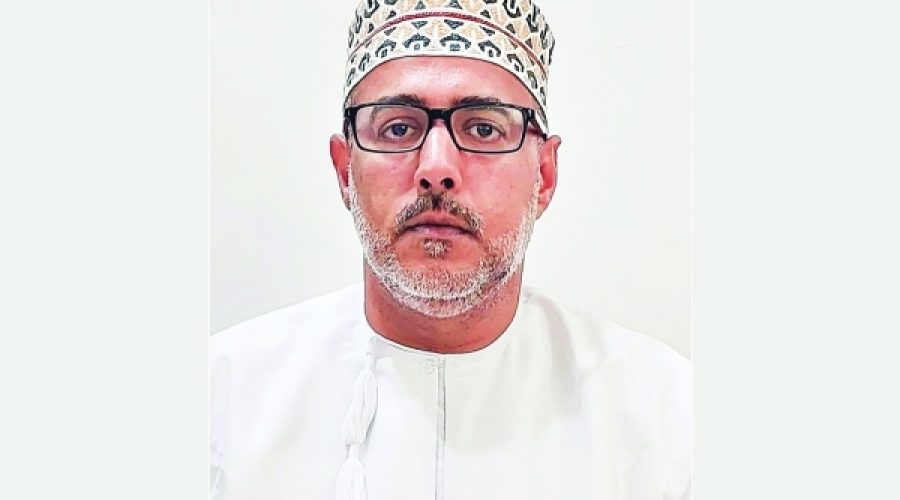
Fire safety has traditionally been regarded as a late-stage requirement, mainly to secure project approvals before moving forward. However, Shaikh (Eng) Ahmed Saeed Hassan Bait Saeed, CEO of Ahmed Saeed for Engineering Consultancy, highlights a pivotal shift: fire engineering is becoming integral to investor confidence, insurer expectations, and the long-term value of assets in Oman’s rapidly evolving built environment.
In an interview with the Oman Observer, Shaikh (Eng) Ahmed Saeed described fire safety as a “quiet enabler” of development, essential for safer hotels that support tourism, safer factories for industrial growth, and safer public buildings for everyday use. He emphasized that as construction projects grow larger and more complex, fire engineering must be embedded within the framework of city resilience rather than treated as an afterthought.
This evolution is not merely about safety; it also ensures delivery certainty. Engaging fire engineering expertise early in the project lifecycle minimizes redesign, prevents last-minute alterations, and facilitates smoother approvals—practical benefits that developers readily appreciate, especially amid tightening timelines and rising financing costs.
Shaikh (Eng) Ahmed Saeed attributes his professional focus to an early insight: safety decisions outlast the drawings. Reflecting on past projects where fire safety was a final requirement rather than a design responsibility, he was motivated to specialize in engineering that protects people—not just structures.
This philosophy informs his company’s mission. The gap, he explained, rarely lies in regulations themselves but in how projects implement them. Many teams concentrate on passing inspections without fully considering how buildings perform in real-world fire conditions. His goal is to collaborate with architects, developers, and authorities from the outset, applying engineering judgment beyond mere checklist compliance.
Establishing a specialized consultancy in a tightly regulated field demanded building trust. Since fire safety decisions impact costs, approvals, and schedules, clients naturally approach recommendations cautiously, particularly when changes require revisions to established budgets and plans. The challenge, he said, is to demonstrate that effective fire engineering enhances projects rather than causing delays. His standard is clear: maintain technical rigor while communicating solutions accessibly to non-engineers, ensuring practical and implementable decisions onsite.
Shaikh (Eng) Ahmed Saeed views fire safety as evolving into a strategic domain akin to structural integrity, ESG (Environmental, Social, and Governance) performance, and operational continuity. The rationale is straightforward: early fire safety planning protects lives and asset value. Investors and insurers are increasingly prioritizing risk management alongside returns, recognizing that confidence has tangible economic benefits.
A robust safety strategy fosters occupancy reassurance, reduces disruption risks, and bolsters the reputation of property owners and developers. “Safety is part of quality,” he noted, underscoring that quality sustains value throughout a building’s lifecycle.
Regarding Oman’s priorities, Shaikh (Eng) Ahmed Saeed directly connects fire engineering to national development goals. Safer hotels drive tourism growth; safer factories underpin industrial expansion; safer public buildings safeguard productivity and community wellbeing. While largely unseen by occupants, the impact of effective fire safety measures is measurable in enhanced resilience and operational continuity.
His aim is not to keep fire risk in constant public discourse but to design it out so effectively that people can live, work, and invest securely without concern.
He highlighted two significant advancements: the adoption of performance-based design and the increasing use of digital tools. Modern fire and evacuation simulations allow for more precise scenarios, improving design decisions and efficiency. Concurrently, fire systems are becoming smarter and better integrated with building management platforms, raising demands for coordination, commissioning, and operational readiness.
For young Omanis entering safety-critical fields, Shaikh (Eng) Ahmed Saeed offers grounded advice: specialize, commit to lifelong learning, and embrace the seriousness of responsibility. Though their work may be quiet and invisible, such engineers exercise essential leadership that serves society directly.
He welcomes the emerging shift in Oman’s market mindset, with more clients involving fire engineers early, posing better questions, and viewing fire safety as a component of quality design rather than a late-stage hurdle. If this trend continues, he believes Oman will see elevated safety standards across its built environment, fostering development that is not only faster and larger but also safer and more resilient.
Special Analysis by Omanet | Navigate Oman’s Market
The evolving mindset in Oman’s fire safety engineering highlights a strategic shift from regulatory checkbox to integral design element, crucial for investor confidence and asset longevity. Businesses and investors should seize the opportunity to embed fire safety early in project planning to reduce costly redesigns and align with growing insurer and market expectations, enhancing both resilience and reputational value. Entrepreneurs and developers who adopt advanced, performance-based fire safety solutions combined with digital tools will gain a competitive edge in delivering safer, more sustainable developments aligned with Oman’s national growth priorities.