Trump’s Tariff Increase on South Korea: What It Means for Oman’s Exporters and Investors
Trump Threatens Increased Tariffs on South Korean Exports
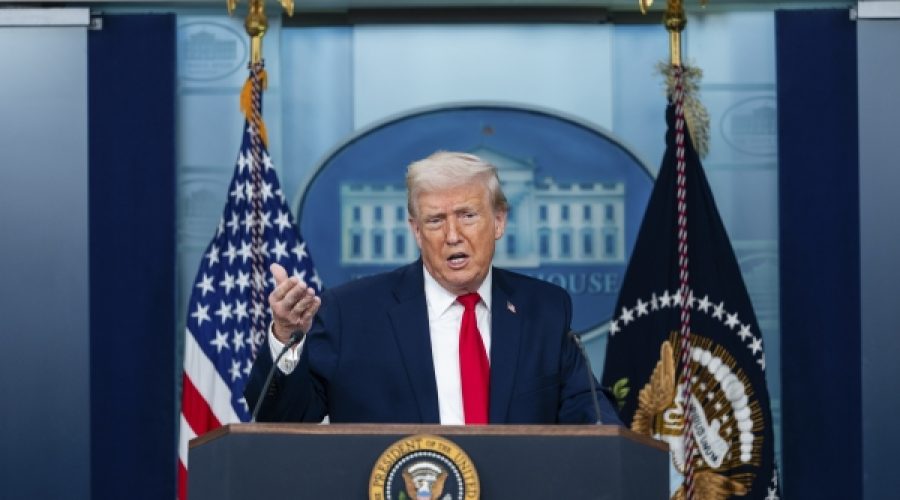
President Donald Trump has announced plans to raise tariffs on South Korean exports due to delays in the ratification of a trade agreement by the country’s National Assembly.
In a post on Truth Social, Trump criticized the assembly for not approving the trade deal he reached with South Korean President Lee Jae-myung on July 30. He stated, “Because the Korean Legislature hasn’t enacted our Historic Trade Agreement, which is their prerogative, I am hereby increasing South Korean tariffs on Autos, Lumber, Pharma, and all other reciprocal tariffs, from 15% to 25%.”
As of Monday evening, the White House had not issued an executive order to enact these changes. Last year, Trump initially imposed a 25% tariff on all South Korean exports, later agreeing to lower it to 15% as part of a framework deal announced with President Lee. However, discussions between the two governments remained contentious, particularly regarding South Korea’s commitment to invest in the U.S.
The U.S. sought a cash investment in the hundreds of billions of dollars, but South Korean officials expressed concerns about the economic feasibility of such a large commitment. Progress appeared to be made during Trump’s visit to South Korea in October, where he received lavish gifts, including a replica of a historical crown. That month, the Korean government confirmed an agreement to invest up to $20 billion annually and allocate $150 billion for U.S. shipbuilding operations. To finalize the agreement, the South Korean National Assembly needed to pass the relevant legislation.
On Tuesday, the South Korean government reported that it had not received official communication regarding Trump’s tariff increase. Lee’s office mentioned plans for senior officials to convene to discuss the announcement. South Korea’s Trade Minister, Kim Jung-Kwan, currently visiting Canada, intends to meet with U.S. Commerce Secretary Howard Lutnick soon.
The Trump administration has engaged in limited trade deals with over ten countries, though some agreements have faced obstacles. A trade framework negotiated with the European Union was recently stalled after Trump issued threats of tariffs unless EU nations ceded the Danish territory of Greenland. Although he later retracted this threat, the trade agreement still requires approval from the European Parliament.
Trump’s authority to impose tariffs stems from the International Economic Emergency Powers Act of the 1970s, which is currently under review by the Supreme Court. A forthcoming decision may determine whether Trump exceeded his authority in implementing tariffs globally. If ruled illegal, the president may have to rely on alternative tariff laws that do not permit such abrupt changes.
This article originally appeared in The New York Times.
Special Analysis by Omanet | Navigate Oman’s Market
The recent increase in tariffs on South Korean exports signals a heightened risk for businesses reliant on international trade, particularly those importing affected goods. Smart investors should assess the potential supply chain disruptions and consider diversifying their sourcing strategies to mitigate these risks. Additionally, entrepreneurs may find opportunities in local manufacturing or alternative supply chains to capitalize on the evolving trade landscape.