Automated Gold Recycling in Oman: How Chinese Investment is Transforming the Jewellery Market for Investors
Shanghai – A growing crowd gathered around an automated gold recycling machine at a Shanghai shopping mall, eager to exchange family heirlooms for cash as gold prices reached unprecedented levels.
China, the world’s largest gold consumer, traditionally buys the precious metal to celebrate milestones such as births and weddings. However, with gold prices hitting a record high near $5,600 per ounce on Thursday, many customers were now looking to sell.
“I never expected prices to climb so sharply,” said Wu, 54, who planned to sell panda-themed gold coins she purchased after her daughter’s birth in 2002. Wu had previously sold a ring inherited from her late father through the machine, receiving approximately 10,000 yuan ($1,400) — a substantial increase from the 1,000 yuan her mother originally paid decades ago.
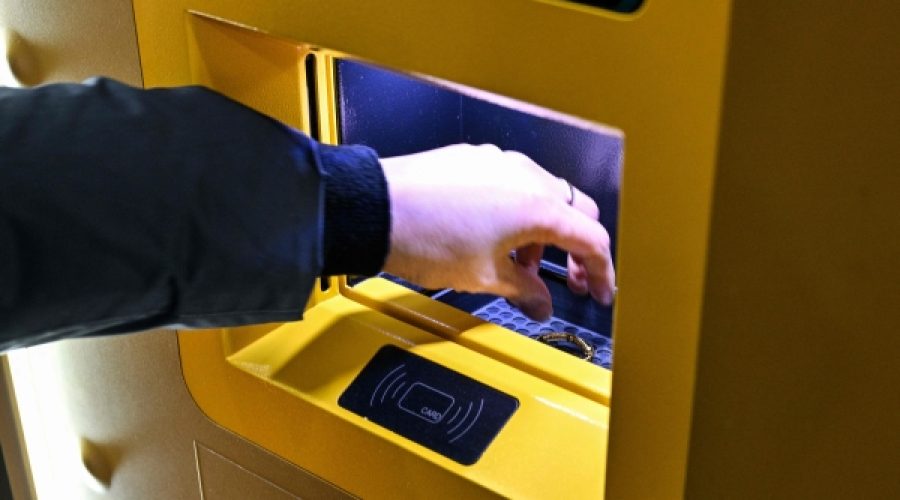
An advertisement on the machine encouraged customers, stating: “Gold prices hold steady at a historic high; it’s the right time to sell gold.” The machine featured a screen showing real-time prices from the Shanghai Gold Exchange and a live video feed of a robotic arm weighing and testing the purity of gold scraps using light waves.
Some sellers reported waiting over an hour for their turn. An attendant managed the queue, assisting customers in depositing ornate pendants, rings, and commemorative coins into the machine.
Wu mentioned her elderly mother was particularly excited by the soaring prices, viewing the recycling machine as an opportunity to supplement her modest pension. “Everyone is suddenly talking about gold, and it has sparked this emotion in her,” Wu said.
Among the sellers was Zhao, who wore a carved gold medallion on a jade-beaded necklace and numerous bangles. She brought her late grandfather’s ring, decorated with the Chinese character for “luck” and traditional gold ingots, which had been passed down to her by her mother this year. Zhao hoped to sell the ring if the price was favorable.
After depositing the ring, the machine offered over 12,000 yuan for the high-karat gold. Zhao accepted the terms, providing her personal details for a bank transfer promised by the end of the day. She trusted the automated process, noting that, unlike traditional buyers who sometimes burn gold to test purity, this machine’s method was transparent and direct.
The machine attracted not only sellers but also curious onlookers observing the large sums of money changing hands. One passerby expressed surprise as they witnessed a seller receive more than 75,000 yuan for old jewelry. An elderly couple also drew attention as the device valued their finger-sized gold bar at over 122,000 yuan.
The automated gold recycler exemplifies the rising interest in liquidating gold assets amid soaring prices, reflecting broader economic dynamics and personal financial strategies in China today.
Special Analysis by Omanet | Navigate Oman’s Market
The surge in gold prices and the rise of automated gold recycling machines in China spotlight a growing trend of liquidating old assets for cash, creating opportunities for Omani businesses to innovate in automated gold buying and recycling technologies. For investors, this trend signals a potential market expansion in gold recycling services, especially as customers value transparency and convenience. Entrepreneurs should consider leveraging digital automation and trust-building mechanisms to tap into similar consumer behaviors in Oman’s gold trade market.