Global Commodity Slump: What It Means for Investors and Businesses in Oman
SINGAPORE: Commodities markets saw a significant downturn on Monday, primarily driven by sharp declines in precious metals, oil, and industrial metals. This sell-off was triggered by the announcement of Kevin Warsh as the next chair of the US Federal Reserve, which led to widespread selling of risk assets.
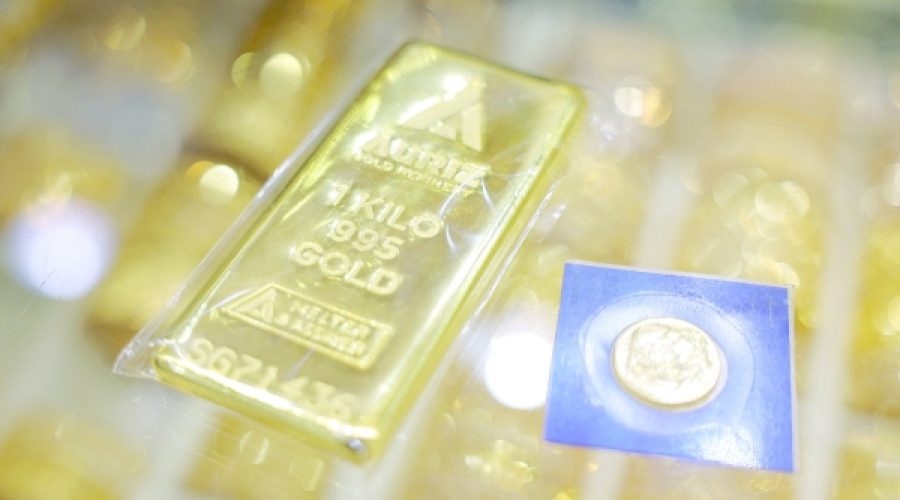
Gold prices plummeted by 5%, reaching their lowest point in over two weeks, while silver experienced a 7% decline after both metals reached record highs the previous week. Oil prices fell nearly 5%, pulling back from multi-month peaks, and copper on the London Metal Exchange dropped by 3%.
Vivek Dhar, a commodities strategist at the Commonwealth Bank of Australia (CBA), noted that Warsh’s appointment is seen as an indication of a more hawkish Federal Reserve. A hawkish Fed suggests that interest rates will remain elevated for an extended period, which in turn strengthens the US dollar and raises the opportunity cost of holding non-yielding assets like gold and silver.
According to Dhar, the stronger dollar has also impacted oil and base metals. Nevertheless, he maintained CBA’s forecast for gold to reach $6,000 an ounce by the fourth quarter.
US President Donald Trump appointed Warsh, a former Federal Reserve governor, to succeed Jerome Powell in May. This decision led to heavy selling across global equities and commodities on Friday, also boosting the dollar. Asian stock markets continued to decline on Monday amid volatile trading in metals as investors braced for an active week filled with central bank meetings, earnings reports, and economic data.
The selling pressure on precious metals intensified after the CME Group raised margin requirements for metal futures, effective from the close on Monday. Higher margins typically restrict speculative trading and drive traders to unwind their positions.
Gold experienced its most significant one-day decline since 1983 on Friday, collapsing by over 9%, while silver plunged by 27%, marking its largest daily loss on record. Analyst Tony Sycamore from IG remarked that the scale of this liquidation reflects the chaos seen during the 2008 financial crisis, pointing to forced selling and cascading stop-loss orders.
Oil prices also faced downward pressure amid signs of de-escalation in US-Iran tensions, following Trump’s statement that Tehran was “seriously talking” with Washington. Additionally, copper and iron ore prices weakened due to high inventories and subdued demand ahead of the upcoming Lunar New Year holiday in China. — Reuters
Special Analysis by Omanet | Navigate Oman’s Market
The recent downturn in commodities markets, driven by the hawkish outlook from the newly appointed US Federal Reserve chair, Kevin Warsh, poses both risks and opportunities for businesses in Oman. Investors should be cautious, as interest rate hikes may lead to a stronger dollar and decreased demand for precious metals and oil, impacting revenues in resource-dependent sectors. Conversely, this environment may open avenues for strategic investments in alternative assets and sectors less sensitive to commodities volatility.