India in Talks to Integrate Alipay+ with Instant Payment Systems: What This Means for Cross-Border Business and Investment Opportunities
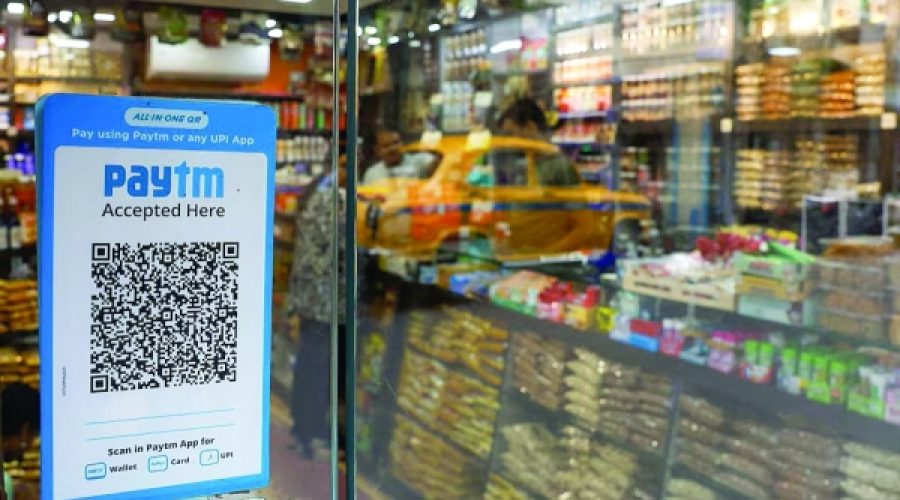
NEW DELHI — India is currently in discussions with Singapore-based Ant International, affiliated with China’s fintech giant Ant Group, to link its digital payments platform Alipay+ with India’s leading instant payments system, the Unified Payments Interface (UPI), for cross-border transactions, according to two government sources.
This integration aims to facilitate easier payments for Indian tourists, allowing them to use UPI to transact with merchants in countries partnered with Alipay+. The talks, involving Indian government and central bank officials, signify a growing engagement with China-related entities despite previous tensions.
Alipay+ reportedly connects around 1.8 billion user accounts and over 150 million merchants across more than 100 markets, maintaining a strong presence in Asia, Europe, the Middle East, and Latin America.
UPI has become an essential payment method within India, processing nearly 18 billion transactions monthly. Indian authorities have expressed interest in extending UPI’s functionality internationally to benefit Indian travelers and the diaspora by enabling payments in Indian rupees, thereby reducing cross-border transaction costs and complexities.
The discussions have not been publicly disclosed, and government sources requested anonymity. Neither India’s finance ministry, the Reserve Bank of India, nor the National Payments Corporation of India (NPCI) responded to requests for comment. Ant International also did not immediately respond.
A final decision on allowing Alipay+ integration will depend on security assessments. One source highlighted concerns related to geopolitical sensitivities and the need to protect India’s digital infrastructure and data, given Alipay’s connections to China.
India maintains strict investment regulations on Chinese entities following a 2020 border standoff, which remain in effect.
Despite past strains that hindered capital, technology, and talent exchange—such as blocking deals like BYD’s proposed $1 billion investment in an electric vehicle venture—relations have been cautiously improving. Last year, Indian Prime Minister Narendra Modi visited China for the first time in seven years, meeting with Chinese President Xi Jinping to discuss ways to enhance bilateral ties.
In October, India resumed direct commercial flights to China after a five-year pause and relaxed visa regulations for Chinese professionals.
— Reuters
Special Analysis by Omanet | Navigate Oman’s Market
India’s potential integration of Alipay+ with its UPI system signals a strategic thaw in India-China digital payment cooperation, reflecting broader geopolitical easing. For Oman-based businesses, this development opens opportunities to tap into the growing cross-border payment ecosystem linked to one of the world’s largest digital payment platforms, facilitating smoother transactions with Indian and Chinese tourists and traders. Smart investors should monitor regulatory shifts and security protocols closely, as seamless cross-border fintech solutions could redefine regional trade dynamics and consumer engagement.