Duqm Refinery’s Capacity Boost: What It Means for Investors and Business Growth in Oman
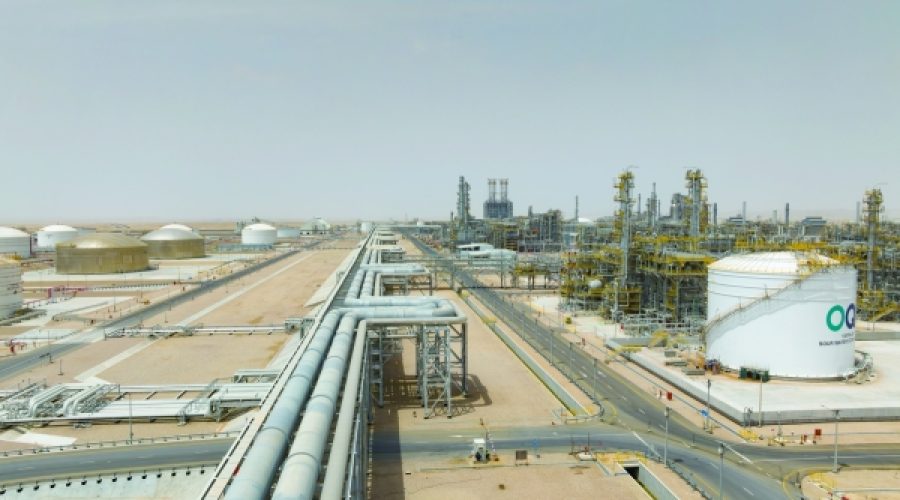
MUSCAT: Duqm Refinery, situated within the Special Economic Zone at Duqm (SEZAD) on Oman’s southeast coast, is advancing several initiatives to maximize value from its approximately $9 billion project following a significant increase in its processing capacity.
Abdullah Al Ajmi, CEO of Duqm Refinery & Petrochemicals Company (OQ8), revealed plans for an upcoming upgrade aimed at producing specification-grade fuels primarily for export markets. “The next major development is the addition of a reformer unit to convert naphtha into high-octane gasoline components such as reformate,” he stated. The project is currently at the Front End Engineering Design (FEED) stage, with Omani and Kuwaiti stakeholders considering its integration into the existing refinery structure.
This upgrade marks a strategic shift from basic crude processing and initial product stabilization toward comprehensive downstream value enhancement. The reformer unit will enable Duqm Refinery to transform low-value straight-run naphtha into high-octane gasoline blendstock, a vital step for producing finished, specification-compliant fuels.
The investment signifies the refinery’s progression to full operational maturity, enhancing product quality, improving profit margins, and reducing dependence on exporting intermediate products. It also positions the refinery to better serve both domestic and international gasoline markets while fostering integration with future petrochemical and aromatics developments within Duqm’s broader industrial ecosystem.
Beyond the reformer unit, Duqm Refinery is exploring ways to add value to refining by-products such as sulphur and coke. Al Ajmi highlighted a memorandum of understanding with a cement plant in Duqm that plans to utilize the refinery’s coke by 2028. “We consistently seek projects that enable us to capitalize on our outputs and by-products, supporting the wider industrial ecosystem,” he said.
These initiatives follow last year’s announcement of a capacity boost from the original 230,000 barrels per day (bpd) to approximately 255,000 bpd—a roughly 10% increase achieved through operational optimization rather than major new construction.
According to Al Ajmi, this capacity enhancement has improved refinery margins amid volatile global markets. He emphasized OQ8’s “unique position in the region’s refining landscape,” supported by supply chain stability, logistical flexibility, and geopolitical insulation.
Central to this success is the refinery’s agility in adjusting processing units and operating parameters in response to market fluctuations. Al Ajmi added, “We closely monitor global markets and adapt quickly. For example, when diesel and naphtha margins increased, we diversified our feedstock strategy to target lower-cost crudes rich in heavy components, boosting our yield of high-value products, especially diesel and naphtha.”
Special Analysis by Omanet | Navigate Oman’s Market
Duqm Refinery’s strategic shift towards full downstream value maximisation, including the planned reformer unit for high-octane gasoline production, positions Oman as a key player in refined fuel exports while enhancing domestic market supply. For businesses, this creates opportunities in related industrial sectors, such as petrochemicals and by-product utilisation (e.g., sulphur, coke), signaling a broader integrated industrial ecosystem. Smart investors and entrepreneurs should consider entering or supporting value-added refining, petrochemical projects, and allied industries to capitalize on Duqm’s evolving high-margin, flexible operations and growing export potential.