Manufacturing’s RO 3.879 Billion Boost to Oman’s GDP in 2025: What It Means for Investors and Business Growth
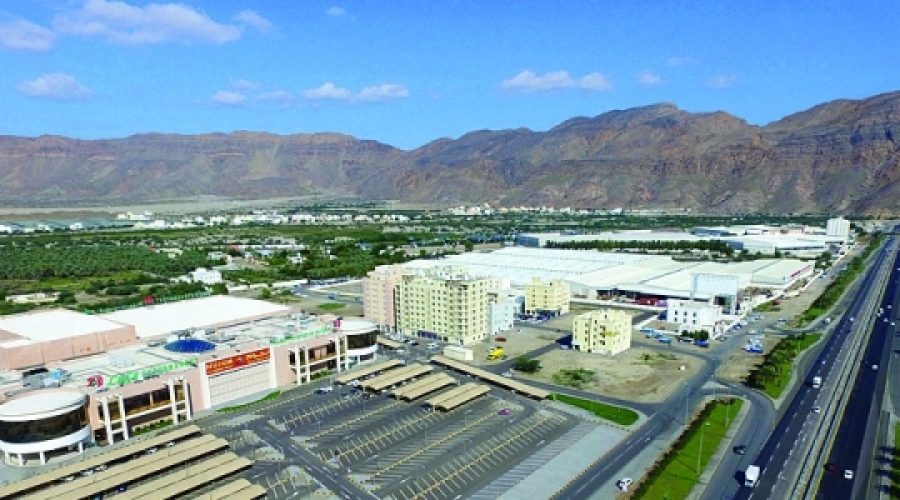
MUSCAT – The Sultanate of Oman, through the Ministry of Commerce, Industry and Investment Promotion (MoCIIP), annually commemorates Omani Industry Day on February 9. This year’s theme, “From Oman to the World: Competitive Industry and International Vision,” highlights the strategic geographic and economic advantages of industrial cities in enhancing exports. It also emphasizes MoCIIP’s collaborative efforts with relevant authorities to provide critical enablers, incentives, and facilitation measures aimed at stimulating industrial growth.
The observance showcases Oman’s industrial export accomplishments in global markets, encourages manufacturers to elevate product development and quality in line with international standards, and promotes export-oriented industrial investments. It also fosters market expansion and shares success stories of Omani companies that have penetrated international markets.
A key focus is on strengthening coordination among government entities, manufacturers, and exporters to overcome challenges, enhance the export ecosystem, and use the insights from Omani Industry Day 2025 to shape future policies and initiatives. This year underscores the vital role industrial exports play in bolstering Oman’s global economic presence, accentuating the quality, distinction, and competitiveness of Omani products regionally and internationally. The day exemplifies joint public-private sector initiatives to facilitate market access and nurture a competitive industrial environment consonant with Oman Vision 2040 goals for economic diversification and boosting In-Country Value (ICV).
The industrial sector is increasingly pivotal to the national economy. In Q1 2025 alone, industrial exports reached approximately RO 1.618 billion, comprising nearly 28% of total exports, with robust growth in key sectors including electrical equipment manufacturing and metal products. The sector contributes about 19.5% to GDP, with non-oil industrial exports hitting around RO 6.2 billion in 2024, underscoring its importance in economic competitiveness and reducing oil dependency.
On Sunday, February 15, MoCIIP will host an event under the same theme at Al Bustan Palace Hotel, presided over by Abdulsalam bin Mohammed al Murshidi, Chairman of Oman Investment Authority (OIA), alongside senior representatives from both public and private sectors.
By 2025, the industrial sector demonstrated clear growth and an expanding economic footprint. The manufacturing industries’ GDP contribution reached RO 3.879 billion, marking a 7.2% increase from 2024. Foreign investment soared by 24.6% to RO 3.490 billion, reflecting rising investor confidence. Non-oil exports expanded by 10.5% to RO 6.885 billion, signifying widening global market penetration. Employment in the sector grew to 248,000 workers, a 3% rise from 2024.
Moreover, 166 industrial establishments received the National Product Identity certification, and 439 exemption applications were approved, demonstrating the efficacy of governmental incentives and support mechanisms.
Ghalib bin Said al Maamari, Under-Secretary of MoCIIP for Commerce and Industry, attributed these successes to sound government policies enhancing the business environment, incentives for investors, and industry capacity to meet economic diversification targets. He pledged continued development of regulatory frameworks, improved procedures, and deeper public-private partnerships to boost product competitiveness and attract high-value, technology-driven investments aligned with Oman Vision 2040.
Industrial Strategy 2040 guides the sector’s evolution, aiming to build a modern manufacturing base driven by advanced technologies, Omani creativity, and innovative production methods. The strategy focuses on diversifying manufacturing, increasing regional and international market presence, adopting advanced technologies, and fostering industrial innovation. It targets resource-based, capital-intensive, and knowledge-based industries including oil refining, food processing, metals, electrical and mechanical equipment, marine equipment, solar panels, hydrogen, and recycling industries.
With 90 strategic initiatives underway in collaboration with numerous government and private partners, notable progress has been made in production, exports, investment, and employment, reflected in the 2025 industrial sector’s performance.
Economic indicators forecast the sector’s GDP contribution will reach around RO 7.250 billion, with manufacturing’s share expected to grow from 5.25% to between 9.54% and 14% by 2040. Foreign direct investment is projected to rise substantially, with the strategy aiming to shift investment primarily from government to private and foreign sources while boosting non-oil merchandise exports by 39% every five years starting 2025.
Employment in the sector has dramatically increased from just over 20,000 industrial workers in 2020 to nearly 248,000 in 2025, with expectations to reach about 277,000 by 2030. This growth supports Oman’s labor market and reflects expanding industrial activity.
Oman’s industrial development has received international recognition. The UN Industrial Development Organisation (UNIDO) praised its transformation, the World Bank highlighted its diversification impact, and Standard & Poor’s identified manufacturing, services, and construction as key economic drivers. The IMF also noted manufacturing as the primary engine of non-oil growth, and domestically the sector was honored with the ‘Golden Sector’ award under the Al Roya Economic Award for its role in economic diversification.
Significant strides have been made in digital transformation, simplifying procedures through platforms like “Made in Oman” and the Gulf Industrial Platform (GIP), launching smart production initiatives, and increasing automated licence issuance to 80%. Recent years have seen the inauguration of 20 new industrial factories nationwide, contributing to capacity growth.
The 11th Five-Year Plan programs prioritize innovation, energy efficiency, smart technologies, and sustainable green industries. The plan includes financing and incentives supporting exports, renewable energy projects, and industrial value chain development, all aligned with Oman Vision 2040.
Faisal bin Abdullah al Rawas, Chairman of the Oman Chamber of Commerce and Industry (OCCI), emphasized the day’s significance as a reflection of the industrial sector’s contribution to Oman’s economy and economic diversification. He reaffirmed the private sector’s pivotal role and OCCI’s commitment to enhancing regulatory frameworks, fostering small and medium enterprises, and expanding international market access.
Shaikh Dr Hilal bin Abdullah al Hinai, Chairman of the Oman Manufacturers Association, noted the sector’s shift from fulfilling local demand to competing internationally by enhancing value addition, quality, and innovation. He highlighted a 6.6% average real growth rate in manufacturing from 2021 to 2024 and praised efforts in Omanisation and investment facilitation. He also called for continued emphasis on innovation, environmental standards, and participation in industrial events to strengthen Oman’s global industrial standing.
This comprehensive approach underscores Oman’s dedication to fostering a competitive, innovative, and sustainable industrial sector that drives economic diversification and global integration.
Special Analysis by Omanet | Navigate Oman’s Market
Oman’s industrial sector is rapidly transforming into a key driver of economic diversification, supported by strong government policies, increased foreign investments, and advanced digital transformation tools. Smart investors and entrepreneurs should capitalize on the growing incentives and export-focused environment, particularly in high-potential sectors like electrical equipment, metals, and knowledge-based industries, while aligning with Oman Vision 2040 goals for sustainable, technology-driven growth. However, they must also remain vigilant of global market dynamics and continuously innovate to maintain competitiveness in expanding international markets.