Oman Air and SalamAir: Implications of Government Purchase Talks for the Airline Industry and Investors in Oman
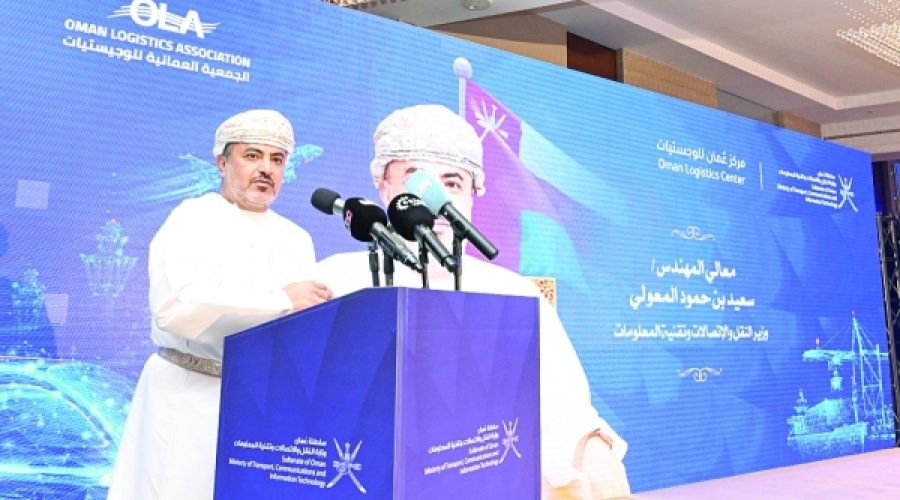
MUSCAT: Eng Said bin Hamoud al Maawali, the Minister of Transport, Communications and Information Technology, has clarified that there is no plan to merge Oman Air and SalamAir, despite speculative discussions circulating on social media. He emphasized that the current deliberations pertain to a government-led acquisition, rather than an operational merger between the airlines.
In an exclusive interview with the Observer, Al Maawali noted the crucial difference between a “merger” and an “acquisition,” highlighting that the transaction under consideration would involve a governmental purchase, not one conducted by Oman Air. He indicated that further details would be forthcoming “soon.”
Separately, the minister addressed an issue that had caused a rise in aircraft fuel costs at Salalah Airport, revealing that it had been resolved after prolonged discussions that concluded approximately two weeks ago. This matter originated from a tender issued by Oman Airports to manage aviation fuel services across Salalah and other locations.
Al Maawali explained that elevated costs were the result of a complicated supply chain involving several stages of transport and handling. Fuel is sourced from Sohar Refinery, transported to storage at the Port of Salalah, and then delivered by truck to the airport tanks before being pumped into aircraft—a process that incurs various shipping, storage, and handling expenses.
He suggested that pricing structures could have been optimized across airport contracts, allowing for discounts at higher-volume airports like Muscat International Airport to offset lower traffic at Salalah, rather than assessing each location individually.
REGIONAL AIRCRAFT PLAN AND NEW ROUTES
Regarding network expansion, Al Maawali announced that efforts are underway to introduce smaller regional aircraft to serve under-represented domestic destinations, specifically Al Jabal Al Akhdhar, Masirah, Khasab, and Suhar.
Additionally, he shared plans to enhance regional connectivity with direct flights from Salalah to Saudi Arabia, with potential future routes extending to Somalia and Yemen. For Suhar, proposed connections include Taif and Al Ahsa, along with Shiraz, Bandar Abbas, and Gwadar.
These developments align with Oman’s strategy to lower aviation operating costs while enhancing inter-governorate and regional air links to boost tourism and facilitate business travel.
Special Analysis by Omanet | Navigate Oman’s Market
The government’s acquisition of SalamAir rather than a merger signifies a strategic effort to enhance aviation connectivity and reduce operational costs, presenting opportunities for growth in tourism and business travel across Oman. Investors should closely monitor upcoming announcements, as enhanced regional routes could lead to increased demand in associated sectors, including hospitality and logistics, while smart entrepreneurs may find niche markets in underserved domestic destinations. However, fluctuations in fuel costs and supply chain complexities remain potential risks that require vigilant management.