Oman Trade Surpasses RO 40 Billion: Key Insights for Investors and Business Owners
MUSCAT: Oman’s foreign trade demonstrated robust resilience in 2025, with the total trade value reaching RO 40.4 billion despite a significant decline in oil export revenues. The latest data highlights the increasing role of non-oil exports and re-export activities in driving economic growth, aligning with the Sultanate’s ongoing diversification strategy.
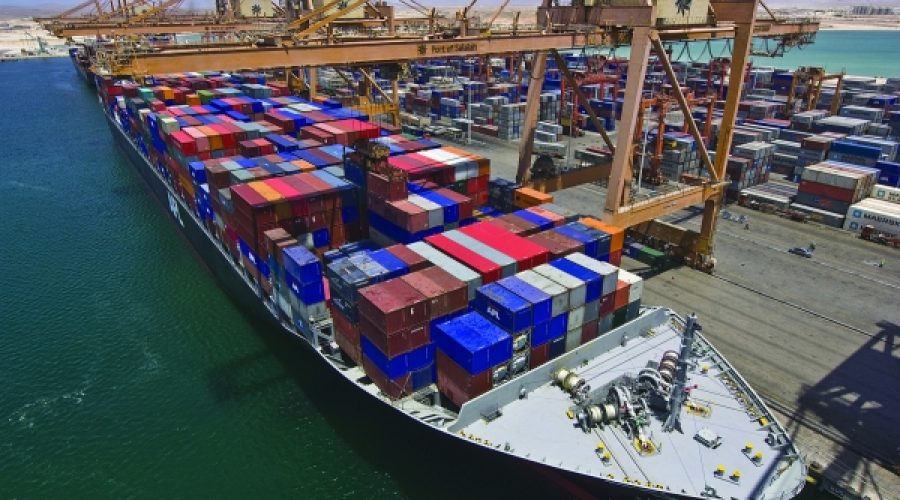
According to the National Centre for Statistics and Information, non-oil exports grew by 7.5% to approximately RO 6.7 billion in 2025, up from RO 6.2 billion in 2024. Re-exports experienced even stronger growth, rising by 20.3% to RO 2.056 billion, compared to RO 1.708 billion the previous year. This surge reflects the revitalization of ports, enhancements in logistics infrastructure, and government measures aimed at reinforcing Oman’s status as a regional trade and distribution hub.
The growth in non-oil exports was mainly driven by products from the chemical and related industries, metals and metal products, plastics, as well as machinery and electrical equipment. These sectors benefited from increased industrial capacity, higher value-added production, and expanded access to both regional and international markets. This steady expansion underscores progress in reducing dependence on hydrocarbons and broadening Oman’s export base.
In contrast, oil export values fell by 15.2% to RO 14.5 billion, down from RO 17.1 billion in 2024. This decrease was largely due to a drop in the average price of Omani crude oil, which fell to $71 per barrel from $80.8 the previous year. Total oil exports remained nearly stable at 307.9 million barrels versus 308.4 million barrels in 2024, while average daily oil production increased from 992,600 barrels to over one million barrels per day, partially mitigating the impact of lower prices.
Due to reduced oil revenues, the overall value of Omani merchandise exports declined by 7.1% to RO 23.2 billion, compared with RO 25 billion in 2024. Imports also fell, whereas commodity exports rose by 2.7%, from RO 16.7 billion to over RO 17.1 billion, demonstrating solid demand for Omani products in key markets.
The United Arab Emirates remained Oman’s largest non-oil export partner, with exports surpassing RO 1.31 billion, marking a 25.3% year-on-year increase. Non-oil exports to Saudi Arabia also showed significant growth, rising from RO 849 million to RO 1.067 billion, while exports to India increased by 6% to about RO 700 million. Conversely, non-oil exports to South Korea and the United States declined by 26.1% and 13.3%, respectively.
In re-export activities, the UAE accounted for 35.2% of Oman’s total re-exports, valued at RO 724 million, followed by Iran, the United Kingdom, Saudi Arabia, and India. On the import side, shipments from the UAE and China increased, whereas imports from India, Kuwait, and Saudi Arabia decreased.
Overall, these trade figures highlight Oman’s ongoing transition towards a more balanced and diversified trade structure, with non-oil exports and re-exports increasingly crucial in sustaining economic resilience amidst global price volatility. — ONA
Special Analysis by Omanet | Navigate Oman’s Market
Oman’s trade resilience amid declining oil revenues highlights a strategic shift towards diversification, with non-oil exports and re-exports growing robustly, particularly in chemicals, metals, and machinery. For businesses and investors, this signals expanding opportunities in industrial and trade sectors tied to enhanced logistics and regional partnerships, especially with the UAE and Saudi Arabia. Smart entrepreneurs should focus on value-added manufacturing and leverage Oman’s evolving role as a regional trade hub to capitalize on this economic transformation.