Oil Prices to Remain High Amid Strait of Hormuz Tensions: What This Means for Your Business and Investments in Oman
Analysts anticipate that oil prices will remain elevated in the coming days as conflict intensifies in the Middle East. The focus is on the potential disruption of supplies, particularly those passing through the Strait of Hormuz, which handles over 20% of the world’s oil trade.
On Monday, crude futures surged by more than 8%, reaching multi-month highs in the first trading session following U.S. and Israeli attacks on Iran, which resulted in the death of Iran’s Supreme Leader, Ali Khamenei. In retaliation, Tehran launched strikes against Israel and at least seven other countries.
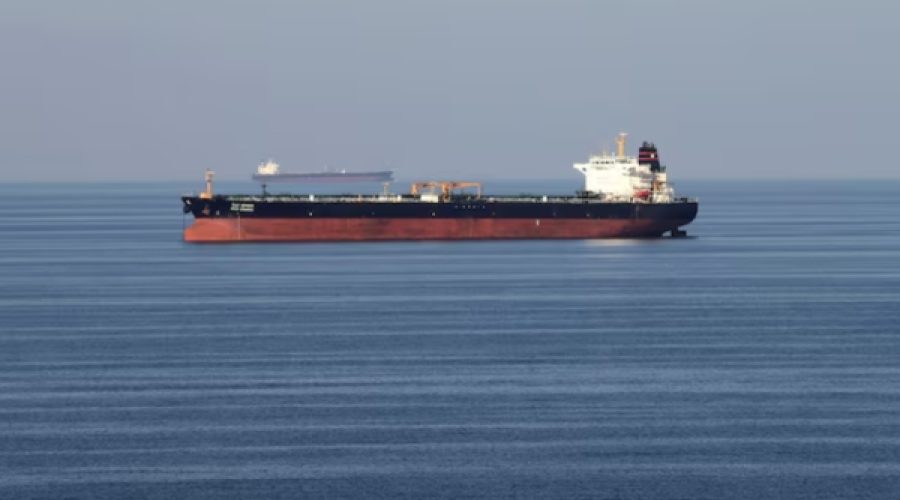
The region has experienced attacks that damaged tankers, prompting many ship owners, oil companies, and trading firms to halt shipments of crude oil, fuel, and liquefied natural gas through the Strait of Hormuz.
Citi analysts project Brent crude will trade between $80 and $90 per barrel over the next week in their base scenario, according to a recent note. They expect prices could fall back to around $70 per barrel if tensions ease.
Goldman Sachs estimates an $18 per barrel real-time risk premium in current crude prices. The bank’s analysts suggest this premium could drop to $4 if only half of the Strait of Hormuz’s oil flows are suspended for a month. However, they warn that prices could rise significantly if the market factors in the risk of prolonged supply disruptions.
Wood Mackenzie has indicated that oil prices could surpass $100 per barrel if tanker movements through the Strait are not quickly restored. The firm notes the disruption causes a dual supply shock: both current exports through the Strait halt, and OPEC+’s additional production capacity—an important balancing tool for the global oil market—becomes inaccessible while the waterway remains closed.
Meanwhile, Société Générale analysts suggest the most likely outcome is a brief price spike followed by a partial retreat, as markets assess the credibility of continued supply despite the conflict.
Special Analysis by Omanet | Navigate Oman’s Market
The escalating conflict in the Middle East and disruptions through the Strait of Hormuz are driving oil prices to multi-month highs, creating both opportunities and risks for Oman’s economy, heavily reliant on oil exports. Businesses should prepare for volatile energy markets, while smart investors and entrepreneurs must consider diversifying portfolios and exploring sectors less vulnerable to geopolitical shocks to mitigate risk and capitalize on shifting market dynamics.