Royal Decree Strengthens Economic and Free Zones Framework: What It Means for Investors and Businesses in Oman
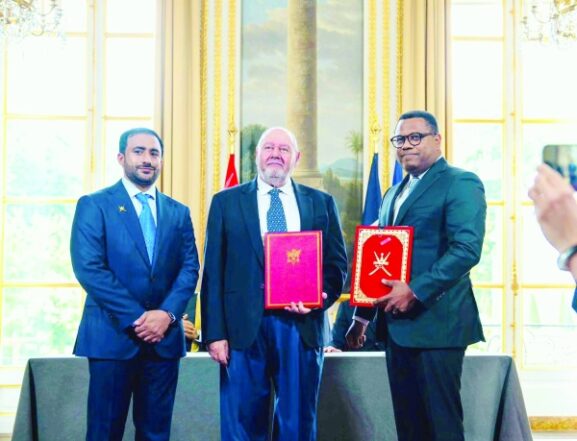
Muscat: The Public Authority for Special Economic Zones and Free Zones (OPAZ) has highlighted the regulatory importance of its newly introduced system under Royal Decree No 39/2026, describing it as a crucial development aimed at enhancing the business environment and strengthening governance within Oman’s special economic zones, free zones, and industrial cities.
Qais bin Mohammed al Yousef, Chairman of OPAZ, explained that the new system grants the Authority expanded powers that complement the Special Economic Zones and Free Zones Law along with related legislation. He emphasized that this updated framework demonstrates OPAZ’s dedication to fostering an investment climate characterized by transparency, flexibility, and long-term stability, aligned with the Sultanate’s national economic goals.
Al Yousef stated that creating an independent regulatory system for OPAZ is vital to simplifying procedures and boosting institutional efficiency across the zones under its jurisdiction. The enhanced mandate is expected to strengthen the Authority’s role in promoting economic development, supporting industrial clusters, and attracting high-quality investments, while maintaining a competitive and legally stable environment. This aligns with broader government efforts to advance economic diversification and maximize local value addition.
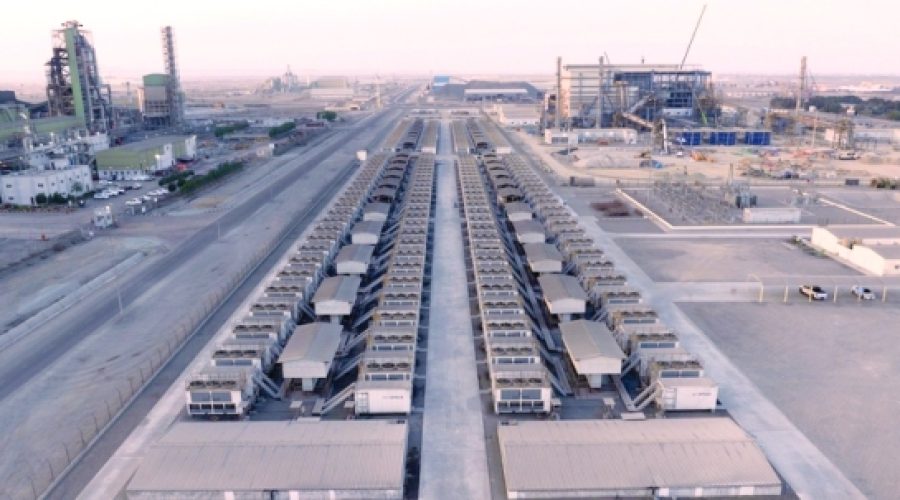
The new system also expands OPAZ’s supervisory and oversight responsibilities, enabling closer regulatory coordination across all current and future special economic zones, free zones, and industrial cities. Key ongoing projects include the upcoming special economic zone in Al Dhahirah Governorate, the Al Rawdah special economic zone, the free zone at Muscat International Airport, and four new industrial cities in the wilayats of Al Mudhaibi, Al Suwaiq, Thamrait, and Madha. These initiatives are designed to support diverse industrial activities and strengthen Oman’s domestic manufacturing sector.
Al Yousef highlighted that the extended authorities will enable OPAZ to provide a comprehensive range of services through a single-window platform. These services encompass project registration, issuance of licenses and permits, approvals, and certificates necessary for economic activities, as well as regulation of municipal services within the zones. The framework also ensures coordination with the Ministry of Labour regarding work permits for expatriate workers and Omanisation requirements, and with the Royal Oman Police on customs and import-export procedures. The aim is to streamline processes, improve operational efficiency, and significantly enhance the investor experience.
Currently, OPAZ oversees 23 special economic zones, free zones, and industrial cities. New investments in these zones surpassed RO 1.4 billion in 2025, bringing the total committed investments to RO 22.4 billion, representing a 6.8 percent increase compared to 2024.
Special Analysis by Omanet | Navigate Oman’s Market
The new OPAZ regulatory system, established under Royal Decree No 39/2026, signals a major enhancement in governance and operational efficiency across Oman’s special economic zones and free zones, creating a more streamlined and investor-friendly environment. This expanded mandate presents significant opportunities for businesses and investors to benefit from streamlined licensing, better regulatory clarity, and integrated services, while supporting Oman’s broader economic diversification and industrial development goals. Smart investors and entrepreneurs should now consider leveraging these zones’ improved stability and growing infrastructure, especially in emerging areas like Al Dhahirah and Muscat International Airport, to maximize long-term growth and value creation.