Surging Global Oil and Gas Shipping Costs: What Investors and Businesses in Oman Need to Know
LONDON: Supertanker freight costs in the Middle East have surged to record levels amid escalating tensions between the US and Iran, as Tehran targets vessels transiting the Strait of Hormuz, according to shipping data and industry sources on Tuesday.
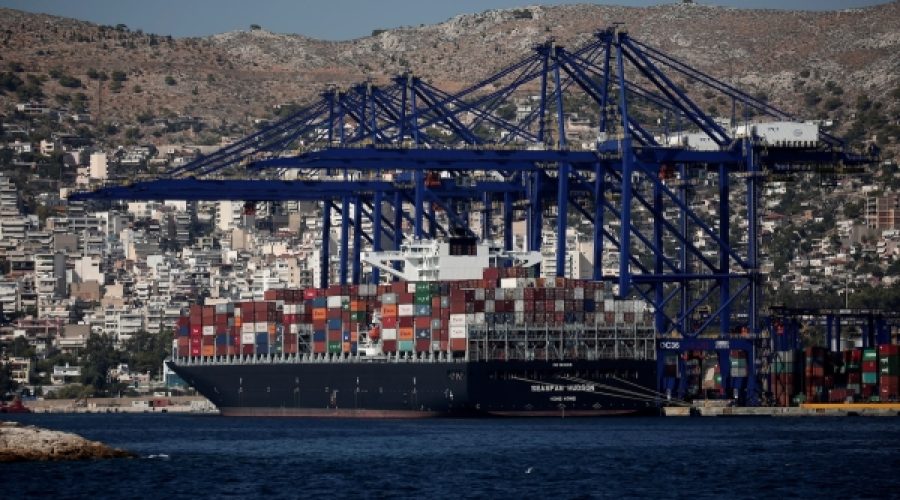
The Strait of Hormuz, a crucial maritime passage between Iran and Oman through which approximately one-fifth of the world’s consumed oil and substantial volumes of liquefied natural gas (LNG) are transported, has nearly ceased operations following attacks on ships in retaliation for US and Israeli strikes on Iran.
This disruption, coupled with fears of an extended closure, has driven significant increases in oil and European natural gas prices. Brent crude futures have surged nearly 10% this week, triggered by multiple shutdowns of oil and gas facilities across the Middle East.
The benchmark freight rate for very large crude carriers (VLCCs) transporting 2 million barrels of oil from the Middle East to China, known as TD3, reached an unprecedented high of Worldscale 419 ($423,736 per day) on Monday, according to LSEG data. This rate had doubled since Friday, building on gains from a six-year peak recorded last week following US and Israeli attacks on Iran, which also resulted in the death of Supreme Leader Ayatollah Khamenei.
In response, Iran has launched attacks on Gulf countries, prompting precautionary closures at numerous oil and gas installations. Iranian media reported on Monday that a senior official from the Revolutionary Guards declared the Strait of Hormuz closed, warning that any vessel attempting to pass would be fired upon.
LNG shipping rates have likewise surged, with daily freight costs jumping over 40% on Monday after Qatar suspended production. Rates in the Atlantic rose 43% to $61,500 per day, while Pacific rates increased 45% to $41,000 per day, according to Spark Commodities.
Fraser Carson, principal global LNG analyst at Wood Mackenzie, forecast that spot LNG shipping rates could exceed $100,000 per day this week due to limited vessel availability caused by a backlog from February’s weather disruptions, leading to fierce competition for available ships.
Carson emphasized that shipping will remain largely halted until safe passage through the Strait of Hormuz is guaranteed.
An anonymous oil shipbroker noted the difficulty in assessing Gulf shipping rates as numerous shipowners have indefinitely suspended operations.
Simultaneously, bunker fuel sales at Fujairah, a key bunkering hub in the United Arab Emirates, have slowed amid conflict-related supply disruptions, causing fuel price increases and potentially redirecting demand to alternative ports like Singapore.
In response, South Korean shipping company Hyundai Glovis announced it is preparing contingency plans, including securing alternative routes and ports. South Korea’s maritime ministry also issued guidance urging South Korean shippers operating in the Middle East to avoid business activities in the region.
— Reuters
Special Analysis by Omanet | Navigate Oman’s Market
The escalating US-Iran conflict and resulting closure of the Strait of Hormuz have severely disrupted shipping routes, causing supertanker and LNG freight rates to skyrocket. For Omani businesses, this spells heightened operational costs and supply chain volatility, but also a strategic opportunity to position Oman as a safer alternative hub for energy exports and logistics. Smart investors and entrepreneurs should now consider diversifying shipping routes, investing in alternative energy transit infrastructure, and leveraging market gaps created by regional instability.