Iran Claims Complete Control of the Hormuz Strait: What This Means for Global Trade and Investors
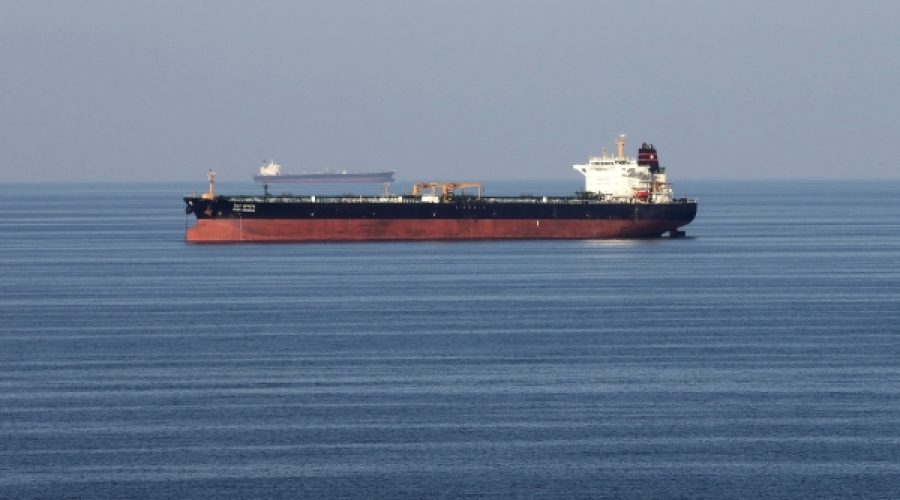
Iran’s Revolutionary Guards announced on Wednesday that they have established complete control over the strategic Strait of Hormuz, as the conflict in the Middle East entered its fifth day. This vital waterway is a key route for the global transportation of oil and gas.
The Revolutionary Guards warned that any vessels attempting to navigate the Strait could face damage from missiles or stray drones, underscoring the heightened risks to maritime traffic in the area.
In response, US President Donald Trump stated on Tuesday that the US Navy is prepared to escort oil tankers through this critical Gulf shipping route to ensure their safety.
Meanwhile, equity markets have been significantly impacted by the ongoing tensions, with crude oil prices threatening to exceed $100 per barrel. Asian stock markets are facing their third consecutive day of declines, reflecting concerns about the region’s heavy reliance on imported energy supplies.
Stephen Innes of SPI Asset Management noted that rising crude oil prices have a more profound effect on Asia, where energy importation is not merely a budget line item but a fundamental economic dependency.
Special Analysis by Omanet | Navigate Oman’s Market
The assertion of “complete control” over the Strait of Hormuz by Iran’s Revolutionary Guards elevates geopolitical risks that could disrupt global oil flow, directly impacting Oman’s strategic position. Businesses should brace for increased volatility in energy prices and supply chain uncertainties, while investors might find opportunities in energy sector hedging and logistics innovations as regional tensions prompt shifts in trade routes and energy security strategies. Smart entrepreneurs must consider diversifying supply chains and exploring alternative markets to mitigate risks stemming from potential blockades or conflict escalation.