Oil Shock Hits Global Markets: What the Largest Supply Disruption Means for Investors and Businesses in Oman
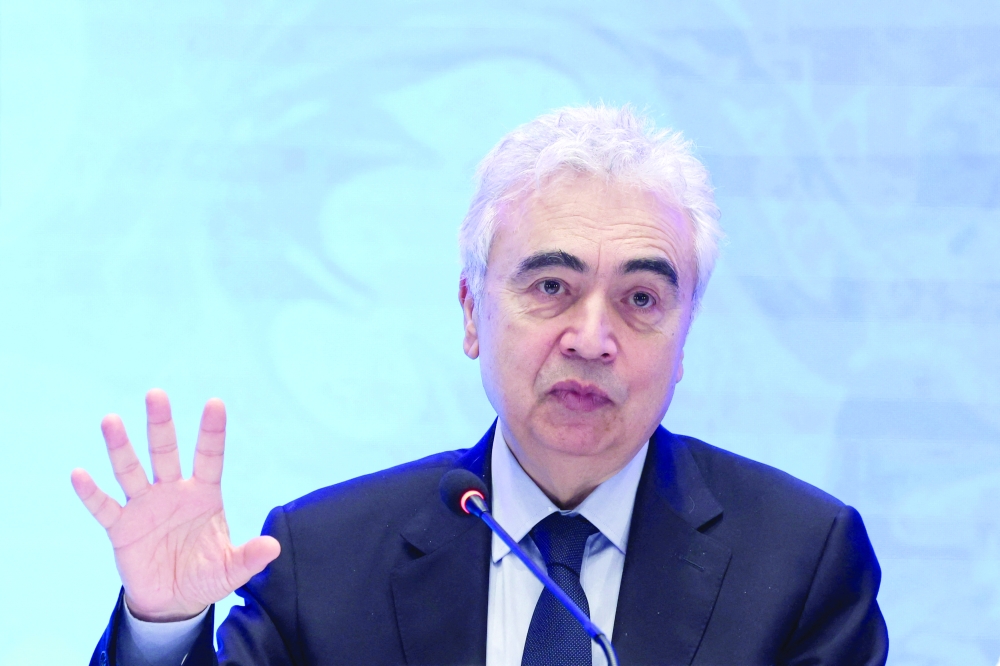
The ongoing conflict in the Middle East has caused the most significant disruption in global oil supply history, the International Energy Agency (IEA) reported on Thursday. Iran’s control over regional supplies has compelled Gulf producers to sharply reduce production.
According to the IEA’s latest market analysis, crude oil production has declined by at least 8 million barrels per day (bpd). The conflict—sparked on February 28 by American-Israeli attacks on Iran—has severely constrained oil supply and undermined production capacity worldwide.
Iran has intensified its control over the Strait of Hormuz, a critical chokepoint through which about 20% of the world’s crude oil passes. Current oil flows through the strait are operating at less than 10% of pre-crisis levels, down from roughly 15 million bpd in 2025. The IEA noted there are no signs of hostilities easing or a clear timeline for the restoration of normal flow through the strait.
The agency emphasized that resuming full flows via the Strait of Hormuz is crucial to mitigating the conflict’s impact on global oil markets.
Meanwhile, major European stock markets declined by over half a percent in early trading before recovering slightly. In Asia, Japan’s Nikkei index fell 1% at close, and Hong Kong’s market was down 0.7%.
Amid threats from Tehran to destabilize the global economy, the IEA announced a record release of strategic crude oil reserves. On Wednesday, the agency’s 32 member countries agreed to release 400 million barrels from their emergency reserves—the largest coordinated release ever.
However, the IEA cautioned that this measure serves only as a temporary buffer. Without a swift resolution to the conflict, the disruption will persist.
In response to the crisis, the United States proposed partly lifting sanctions on Russia to offset the supply squeeze caused by disruptions in the Strait of Hormuz. This suggestion was rejected by Group of Seven (G7) nations on Wednesday.
Following the first discussions between Moscow and Washington since the conflict began, Russian President Vladimir Putin’s envoy, Kirill Dmitriev, described a recent meeting with U.S. negotiators in Florida as “productive.” In remarks on Telegram, Dmitriev stated that both parties discussed promising initiatives aimed at improving Russian-American relations and addressing the global energy market crisis. He noted that Washington is increasingly recognizing the critical role of Russian oil and gas in maintaining global economic stability.
Since the crisis started, oil prices have fluctuated significantly—rising over 30% to near $120 per barrel before retreating. Prices briefly surged above $100 on Thursday but then fell to approximately $92 per barrel. Analysts, however, expect prices to remain elevated in the near term, especially amid reports of further Iranian attacks on vessels, including near the coast of Iraq.
The IEA report noted that some of the shortfall could be alleviated by alternative shipping routes, such as through the Bab-el-Mandeb Strait in the Red Sea. However, this route carries risks of attacks by Houthi rebels in recent years.
Despite ongoing efforts to mitigate supply disruptions through emergency stock releases, the IEA forecasts that global oil supplies in March will fall by 8 million bpd, to 98.8 million bpd—the lowest level in four years. The agency’s forecasts assume only minimal flows through the Strait of Hormuz in March.
The IEA also highlighted that production cuts in the Middle East are being partially offset by higher output from non-OPEC+ producers such as Kazakhstan and Russia.
Special Analysis by Omanet | Navigate Oman’s Market
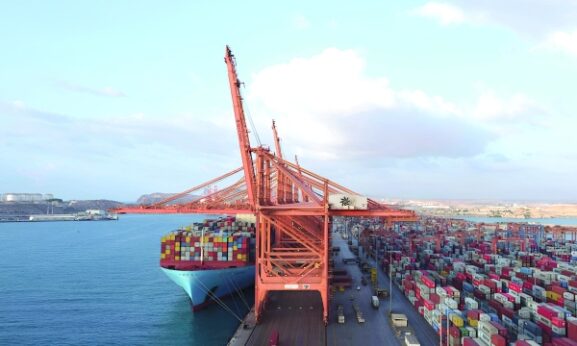
The ongoing Middle East conflict has caused the largest disruption in global oil supply ever, with Gulf producers slashing output and the Strait of Hormuz operating at less than 10% of normal capacity. For businesses in Oman, this creates both significant risks from supply chain volatility and opportunities to capitalize on elevated oil prices and regional strategic positioning. Smart investors and entrepreneurs should now prioritize diversifying supply routes, investing in energy resilience, and leveraging Oman’s geographic advantage as a key oil transit hub amid persistent regional instability.