Pact to Extend Operational Life of 3,500 MW Oman Power Assets: What It Means for Energy Investors and Businesses
MUSCAT — Three leading power companies in Oman have secured new Power Purchase Agreements (PPAs) that will extend their operational periods by 15 years following the expiration of their current contracts with Nama Power and Water Procurement Company (Nama PWP), the sole buyer and procurer of electricity and desalinated water capacity in the country.
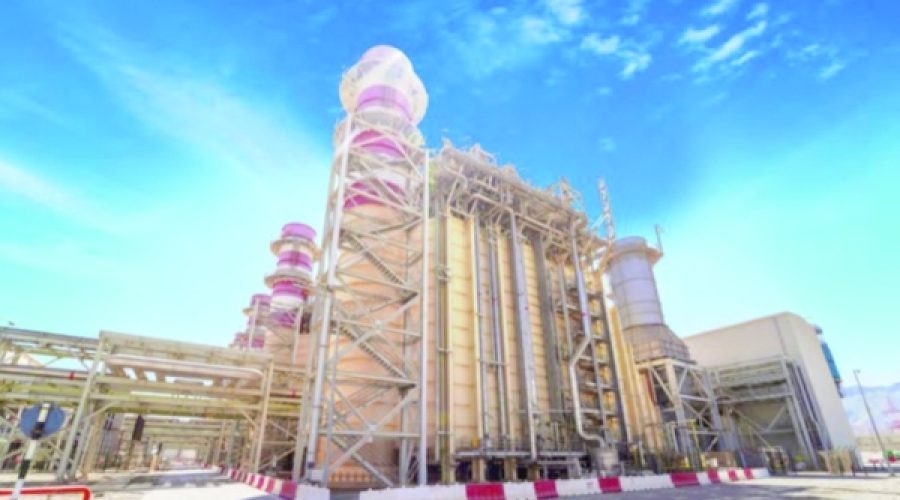
Phoenix Power Company SAOG, Al Batinah Power SAOG, and Al Suwadi Power SAOG announced in regulatory filings on March 17, 2026, that they have received Letters of Award for new contracts covering a combined generation capacity of 3,500 MW. These three gas-fired Independent Power Projects (IPPs) began commercial operations between 2013 and 2014.
Phoenix Power, supported by AXIA Power as its anchor investor, operates one of Oman’s largest gas-fired IPPs, a 2,000 MW plant located in Sur. Ahmed Al Abri, CFO of Phoenix Power, stated, “The new agreement will commence on April 1, 2029, immediately following the expiry of the current agreement, and will remain in effect for 15 years until March 31, 2044.”
Al Suwadi Power Company SAOG, backed by the French energy giant Engie, runs a 745 MW plant in Barka (Barka-3 IPP). Company Secretary Preetam Saraf said, “Subject to the execution of the New PPA anticipated under the Letter of Agreement (LOA), the term of the New PPA is expected to start on April 1, 2028, following the expiry of the existing contract and will continue for 15 years until March 31, 2043, under mutually agreed commercial terms.”
Similarly, Al Batinah Power, also majority-owned by Engie, operates a 745 MW plant in Suhar. CEO Saud Al Waili noted that the new agreement will take effect on April 1, 2028, and remain valid for 15 years until March 31, 2043.
From Nama PWP’s perspective, these new PPAs ensure a reliable electricity supply by keeping efficient, well-performing plants operational as older units retire and new renewable energy capacity is integrated. The agreements also improve cost efficiency through reduced fuel consumption and competitive generation costs, support grid stability amid increasing renewable energy penetration, and provide flexibility during Oman’s energy transition.
Over recent years, Nama PWP has pursued a dual-track strategy: extending contracts for aging but viable gas-fired plants while securing new capacity for the future. In 2024, it signed agreements for legacy facilities—including Barka 1 Power & Water Plant, Barka 2 Power & Water Plant, Al Rusail Power Plant, and Manah Power Plant—covering over 1,500 MW for up to nine years, sometimes integrating power and desalination output.
More recently, Nama PWP signed long-term agreements for two new gas-fired projects: the 1,600 MW Misfah IPP and the 800 MW Duqm IPP. These projects are designed to gradually replace older capacity while maintaining system balance throughout Oman’s energy transition.
Special Analysis by Omanet | Navigate Oman’s Market
The renewal of 15-year PPAs for major gas-fired power plants in Oman signals a strategic balance between energy reliability and the country’s transition to renewables, ensuring stable power supply while integrating newer, cleaner technology. For businesses, this creates opportunities in energy infrastructure and technology services that support grid flexibility and efficiency, while investors should consider the resilience and long-term viability of legacy energy assets amid evolving market dynamics. Smart entrepreneurs can leverage these shifts by exploring innovations in hybrid energy solutions and partnering in future renewable projects aligned with Oman’s energy roadmap.