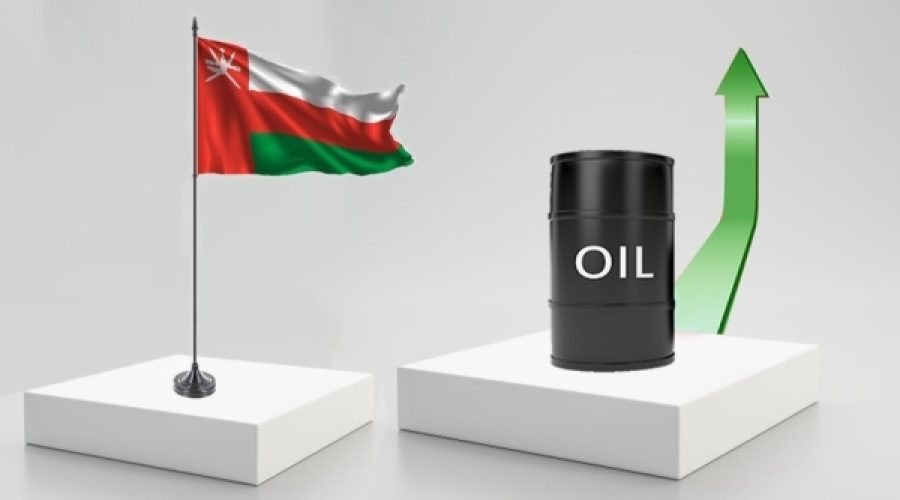
Oman Crude Oil Prices Surge to $153.12: What This Means for Investors and Businesses in Oman
Muscat: Oman crude oil for May delivery traded at $153.12 per barrel on Tuesday, marking an increase of 54 cents from the previous trading session.
On Monday, March 16, Oman crude reached a historic peak of $152.58 per barrel on the Gulf Mercantile Exchange (GME), surpassing the record set just days earlier. The current average trading price for Oman crude in May 2026 is $68.15 per barrel.
Key Milestones:
- March 17, 2026: Oman crude crossed the $150 mark for the first time, reaching $152.58 per barrel.
- March 16, 2026: Recorded $147.79 per barrel, a previous historical high.
- March 13, 2026: Settled at $144.36 per barrel, setting a significant record.
- July 2008: Long-standing record of $141.27 per barrel.
- June 2014: Multi-year peak at $107.68 per barrel before a market downturn.
- March 12, 2026: Price surged to $134.75 per barrel.
- March 9, 2026: Jumped to $124.68 per barrel, a $24.37 rise from the prior session.
- March 6, 2026: Broke the $100 threshold, closing at $100.31 per barrel.
The recent rise in oil prices reflects ongoing geopolitical tensions, particularly the war in the Middle East. However, prices fell over $2 per barrel after Iraqi and Kurdish authorities agreed to resume oil exports via Turkey’s Ceyhan port from Wednesday. Despite this development, the Strait of Hormuz remained largely closed.
On Wednesday, Brent crude futures dropped 2.2% to $101.09 a barrel, while U.S. West Texas Intermediate crude fell 3.3% to $93.05. This relief in oil prices buoyed equity markets, with MSCI’s Asia-Pacific index (excluding Japan) rising 1.6%, South Korea surging over 4%, and Japan’s Nikkei gaining 2.6%.
Norbert Rücker, Head of Economics and Next Generation Research at Julius Baer, commented: “The ongoing conflict in Iran maintains high stress in energy markets. Oil prices remain above $100, with natural gas around EUR 50. Despite evolving conflict dynamics, there has been no major damage to energy infrastructure. Our base case remains a short-lived, intense energy price spike, supported by surplus supplies that sustain global economic activity, although some emerging markets face fuel shortages.”
The intensity of the Middle East conflict continues to pressure energy markets. Oil production shut-ins are estimated at about 10 million barrels per day—approximately 10% of global supply. Alternative trade routes are compensating, with some oil still passing through the Hormuz choke point. The situation remains fluid, with safe passage by “Iran-friendly” ships a key variable to watch.
Given the absence of significant infrastructure damage and a de-escalation in Iran’s military threat, political activism is increasing to protect trade around Hormuz. The probability of a brief yet intense energy price spike remains above 60%.
Market conditions have not seen oil or natural gas prices reach levels that could significantly harm economic growth. Before the conflict escalated, surplus supplies reduced the impact of supply shocks. The Strait of Hormuz disruption would need to extend beyond March to fully deplete this surplus buffer, even without strategic storage releases.
Some emerging markets face fuel shortages due to limited storage capacity and less diverse supply sources. Europe remains cautious, but natural gas and power prices are still below the spikes seen in early 2025 and far from the extreme conditions of 2022. Increased overseas supply, fuel switching in Asia, eased carbon costs, and strong renewable energy generation help contain natural gas prices and limit their impact on power markets.
(Report compiled with inputs from various agencies and analysts.)
Special Analysis by Omanet | Navigate Oman’s Market
Oman’s crude oil hitting all-time highs above $150 per barrel signals a critical moment for businesses reliant on energy imports, elevating operational costs and inflation risks. However, this surge presents lucrative opportunities for Oman’s energy sector investors and entrepreneurs to capitalize on higher revenues amid constrained global supply. Smart players should monitor the evolving Middle East conflict closely, as sustained geopolitical tensions could prolong price spikes, while diversification and investment in alternative energy sources become increasingly strategic to hedge risks.