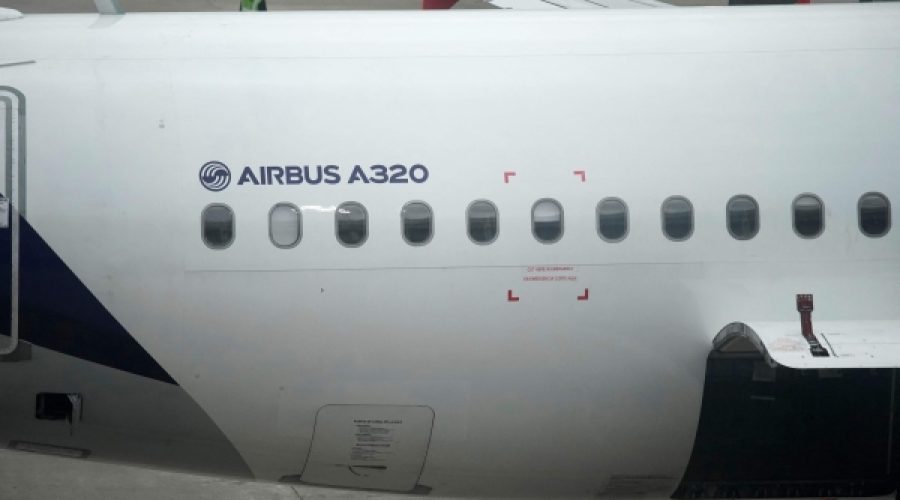
Airbus Addresses A320 Grounding: Implications for Airlines and Investors in Oman
Out of approximately 6,000 A320 aircraft that could be affected, Airbus has confirmed that the vast majority have now undergone the necessary modifications. The company stated, “We are collaborating with our airline customers to support the modification of fewer than 100 remaining aircraft to ensure their return to service.” Airbus also expressed its apologies for any inconveniences and delays experienced by passengers and airlines due to this situation.
The update follows an Alert Operators Transmission (AOT) issued on November 28, which called for immediate precautionary measures on various in-service A320 Family aircraft. Initially, airlines faced challenges in assessing the impact of the alert since it did not specify the serial numbers of the affected jets. A Finnair passenger reported that a flight was delayed on the tarmac while checks were conducted.
Over the course of 24 hours, engineers focused on identifying the specific aircraft involved. Several airlines have since adjusted their estimates regarding the number of jets impacted and the time required for modifications, which Airbus initially projected at three hours per aircraft. An industry source indicated on Sunday that the overall number of affected planes has significantly decreased.
The solution involved reverting to an earlier version of the software that manages the nose angle. This modification is performed by uploading the previous software version through a cable connected to a device known as a data loader, which is brought into the cockpit in order to mitigate potential cyber threats.
Special Analysis by Omanet | Navigate Oman’s Market
The recent modification requirements from Airbus for A320 aircraft highlight a growing need for enhanced safety protocols in the aviation sector. This situation presents an opportunity for local airlines in Oman to invest in proactive maintenance and training, which can enhance operational reliability and customer trust. However, firms must remain vigilant about potential delays and operational disruptions, informing strategic decisions to mitigate risks associated with fleet management.