$50 Million Investment in PET Waste Recycling: How It Could Transform Sustainable Business Practices in Oman
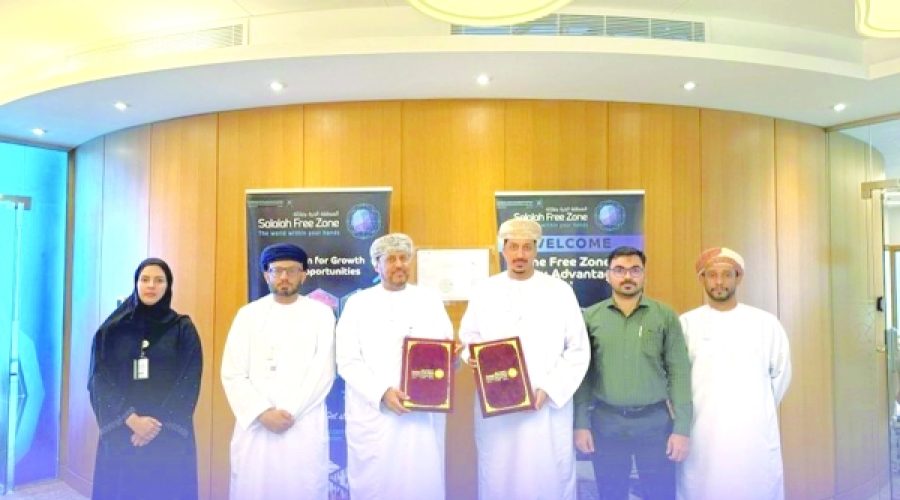
MUSCAT, DEC 23 – A new agreement aimed at enhancing the recycling of PET plastics has been signed, marking a significant advancement in combatting the substantial plastic waste issue. Currently, PET plastics represent approximately half of all plastic waste that ends up in landfills. The initiative will establish a state-of-the-art recycling facility in the Salalah Free Zone, located in Dhofar Governorate, with a total investment reaching up to $50 million over multiple phases.
According to Salalah Free Zone, Next Generation Recycling Solutions will build the facility on a 15,000-square-metre plot. It will focus on producing high-quality, hot-washed, food-grade rPET flakes, which are cleaned and shredded bits of recycled polyethylene terephthalate. These flakes will serve as secondary raw materials in creating new plastic products.
The project is designed to be a long-term investment exceeding $50 million, to be executed over a span of 30 years. This will involve not only the expansion of existing PET recycling lines but also the development of collection facilities across Oman, with the potential to recycle additional plastic polymers like HDPE and LDPE in the future.
The initiative aims to foster an integrated industrial ecosystem, capitalizing on Salalah’s strategic location as a crucial export hub serving markets in Europe and the US, aligning with Oman Vision 2040.
Next Generation Recycling Oman, established through a partnership with a prominent Indonesian recycled PET producer, began operations in 2019 in Tangerang’s Periuk district. The partner supplies PET flakes and granules to global markets, thereby aiding in the reduction of plastic and microplastic pollution.
While the circular economy concept is gaining momentum in Oman, efforts to recycle PET waste have thus far had limited effectiveness. Most PET waste in the Sultanate comes from single-use water bottles, soft drink containers, juice bottles, and food packaging, primarily generated by households, retail outlets, offices, and the hospitality sector. Unfortunately, much of this waste continues to be disposed of through mixed municipal streams.
To combat this issue, initiatives such as reverse vending machines, particularly in Muscat, have been introduced to promote bottle collection and lessen landfill waste. However, nationwide infrastructure for waste segregation, collection, and recycling remains underdeveloped, hindering comprehensive PET recycling efforts that can adequately address the growing waste problem.
In response to governmental priorities regarding circular economy and recycling, in alignment with Oman Vision 2040 and Net Zero targets, several local small and medium enterprises (SMEs) are investing in commercial-scale facilities to tackle the PET waste issue.
Among these is Green Muscat Investment and Development Company, which plans to establish a recycling plant in North Al Batinah Governorate, with a processing capacity of 200 metric tonnes per day for PET waste near Sohar Port. The recycled PET flakes produced will serve various industries, including packaging and textiles.
Likewise, Golden Future Recycling, based in Muscat, is dedicated to recovering and processing PET plastic waste to convert it into high-quality recycled granules and flakes for use in packaging and industrial applications.
Additionally, projects introduced under the newly unveiled Ladayn Polymer Plastics Programme focus on the plastics recycling value chain, specifically addressing PET recycling. One notable initiative, Gemini Corporation, emphasizes plastic recycling and sustainability by using recycled plastics as materials for downstream products.
Special Analysis by Omanet | Navigate Oman’s Market
The establishment of a $50 million recycling facility in Salalah Free Zone signals a strategic shift towards a circular economy, presenting both opportunities and risks for businesses in Oman. Investors should consider tapping into the growing demand for sustainable practices, such as partnerships in recycling initiatives, while being mindful of the challenges posed by limited infrastructure for PET waste management. This development aligns with Oman Vision 2040, offering avenues for SMEs to innovate and lead in a burgeoning green economy.