Charter Flights Boost Tourism Revenue in Oman: Implications for Investors and Business Owners
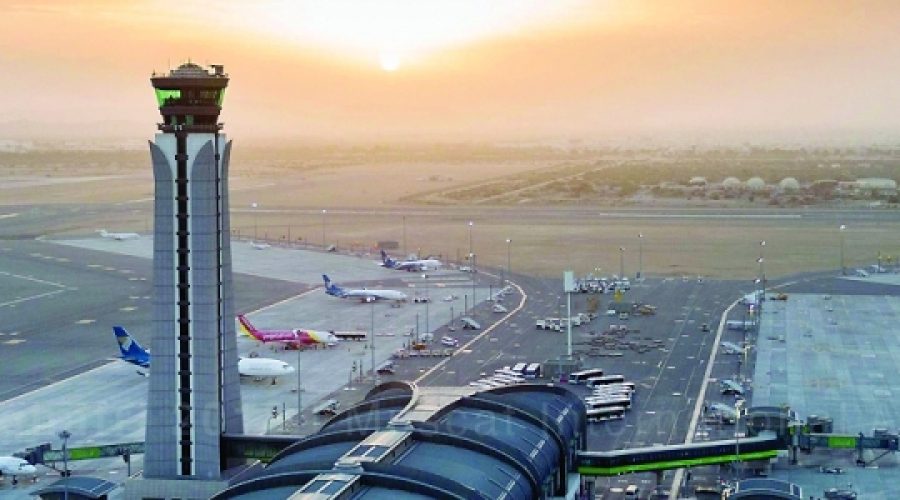
MUSCAT: The charter aviation sector in Oman has generated over RO 30 million in economic returns during the 2025 tourist season, as reported by the Ministry of Heritage and Tourism. This revenue encompasses expenditures related to accommodation, transportation, and tourist excursions, exclusive of airport-related charges such as landing, parking, and refueling fees.
Abdullah bin Saif al Saadi, Head of the Maritime and Air Tourism Department at the ministry, highlighted that the season facilitated the operation of 588 charter flights, marking a significant increase in operational activity and a growing demand for travel to Oman. Approximately 93,000 passengers utilized these charter services during the same timeframe.
Al Saadi emphasized that the charter flight sector bolsters the ministry’s initiative to enhance international tourism by diversifying source markets and attracting a wider range of visitors. He pointed out that this segment plays a crucial role in promoting Oman’s heritage sites and tourism destinations, leading to higher hotel occupancy rates and improved economic returns.
The Polish market emerged as the leading source for charter flights, followed by the Czech Republic and Italy. Additionally, successful promotional campaigns have begun to draw interest from new markets, including Russia and Belarus.
The ministry is advocating for increased investment in tourism infrastructure, particularly in beachfront hotels, to cater to the needs of charter flight travelers. Ongoing efforts to enhance tourism services and rejuvenate tourist destinations are focused on attracting high-spending visitors while ensuring the industry’s sustainability.
— ONA
Special Analysis by Omanet | Navigate Oman’s Market
The charter aviation sector’s RO 30 million revenue underscores significant growth opportunities for businesses in Oman, particularly in tourism and hospitality. This expansion presents a dual-edged sword: while it encourages investment in infrastructure and services, it also necessitates vigilance against potential market fluctuations, especially amidst new competition from emerging travel markets like Russia and Belarus. Smart investors and entrepreneurs should prioritize investments in beachfront hotels and enhanced travel experiences to capture the influx of higher-spending visitors.