Unlocking Decarbonisation: How OQBI’s CCUS Initiatives Could Transform Business Opportunities in Oman
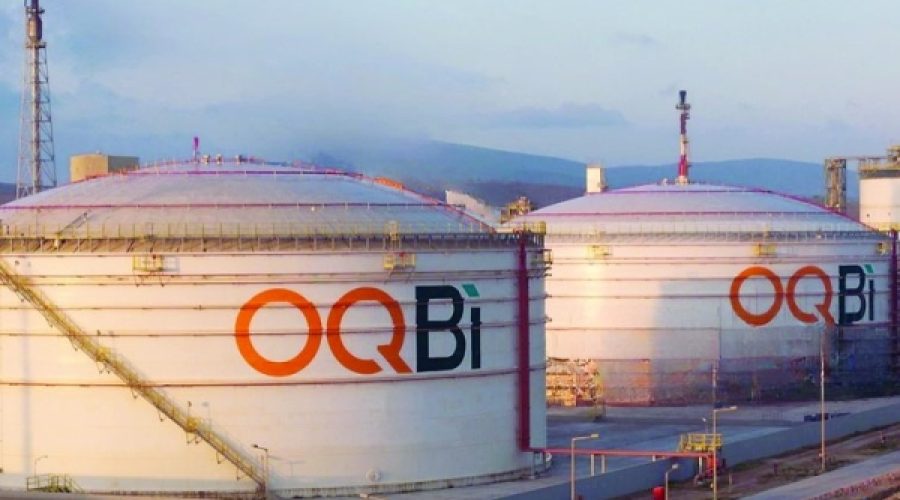
MUSCAT: OQ Base Industries (OQBI), a subsidiary of Oman’s integrated energy group OQ, is actively exploring various initiatives to support its decarbonization and energy transition goals. Among these is the implementation of Carbon Capture, Utilization and Storage (CCUS), an essential climate mitigation technology that captures CO₂ emissions from industrial processes, reuses them, or safely stores them underground to prevent their release into the atmosphere.
OQBI operates Oman’s sole integrated producer of methanol, ammonia, and LPG, with a total production capacity of 1,816 kilotonnes per annum (ktpa) located at the Salalah Free Zone (SFZ) in Dhofar Governorate. The company has set a comprehensive roadmap aiming for a 25% reduction in emissions by 2030 relative to a 2023 baseline and the attainment of net-zero emissions by 2050.
In its 2025 financial report, OQBI detailed its energy transition and decarbonization ambitions, noting ongoing evaluations of CCUS opportunities, the strategic utilization of carbon credit certificates, and the potential for adopting green hydrogen. “These initiatives are designed to facilitate the future production of blue or green ammonia and aid the company’s long-term decarbonization goals,” it stated.
Following greenhouse gas (GHG) emissions assessments and energy efficiency studies initiated in 2024, OQBI reported a 29% rise in CO₂ emissions, reaching 1.45 million tonnes by the end of 2025 compared to 2023 figures. This increase was largely attributed to a 32% growth in overall production at the integrated complex.
During a recent conference call with investors, company officials highlighted a strong operational and financial performance for 2025, underpinned by stable production growth across its core assets. Output from the ammonia and methanol plants rose by approximately 2% to around 1.5 million tonnes, while LPG production saw an increase of 3.5%, totaling about 366,000 tonnes.
Both the ammonia and LPG plants achieved their highest annual production levels since they began operations. The methanol plant maintained consistent, high output throughout the year, operating at its nameplate capacity of approximately 1.1 million tonnes, which underscores strong asset reliability and operational efficiency. The ammonia plant also saw improved production, particularly in the first half of the year, aided by enhanced efficiency and stable operations. Furthermore, the LPG plant surpassed its design capacity of 356,000 tonnes, demonstrating disciplined execution and robust performance.
Financially, the three business segments generated total revenues of RO 226 million, with EBITDA reaching RO 83.8 million. Net profit increased 18% year-on-year, totaling RO 47.7 million, despite a 6% decline in average global product prices, bolstered by improved cost management related to gas pricing. Since its listing, OQBI’s share price has surged from 111 baisa to 184 baisa, reflecting an increase of over 66% and approximately 132% growth since its IPO.
Special Analysis by Omanet | Navigate Oman’s Market
OQ Base Industries’ commitment to decarbonization and energy transition positions them at the forefront of a crucial shift in Oman’s energy sector. This initiative not only presents opportunities for sustainable investments, especially in carbon capture and green hydrogen, but also exposes businesses to regulatory risks linked with emissions targets. Smart investors should focus on emerging technologies that align with OQBI’s green initiatives to capitalize on potential growth while adhering to evolving environmental standards.