Gold Prices Soar to New High of $4,700: Implications for Investors and Businesses in Oman
Gold Prices Surpass $4,700 as Geopolitical Tensions Escalate
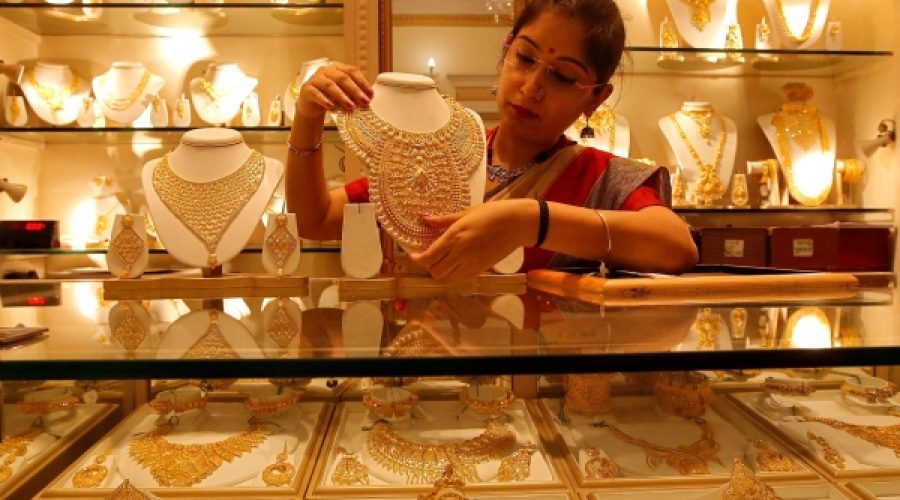
On Tuesday morning, the price of gold soared to over $4,700 per ounce, marking a new all-time high. This surge was fueled by rising demand for safe-haven assets following remarks from US President Donald Trump. He proposed imposing a 200% tariff on French imports and hinted at European leaders’ lack of strong opposition to his controversial desire to purchase Greenland.
The increase in gold prices occurred against a backdrop of heightened geopolitical and trade tensions, with investors seeking to mitigate market risks. Simultaneously, both the US dollar and stock markets faced pressure, amplifying concerns about a potential trade war between the United States and Europe.
President Trump’s intentions regarding Greenland—coupled with the threat of additional tariffs—have added an element of uncertainty to the markets. This has driven investors toward safe-haven currencies such as the Swiss franc and gold.
These escalating tensions have reignited the trend known as "selling America," which gained traction after significant tariffs were introduced during "Liberation Day" last April. This trend involves investors liquidating US stocks, the dollar, and Treasury bonds, and it appears to be gaining momentum during Asian trading on Tuesday.
Special Analysis by Omanet | Navigate Oman’s Market
The recent surge in gold prices, exceeding $4,700 per ounce, signals a growing demand for safe-haven assets, offering an opportunity for businesses in Oman to consider diversifying their investments into precious metals. However, this market volatility induced by geopolitical tensions also poses a risk, as companies heavily reliant on international trade may face increased costs and uncertainty. Smart investors and entrepreneurs should assess the impact of these developments on both global markets and local demand, positioning themselves strategically to either capitalize on gold’s shine or adapt to evolving trade dynamics.