Governorate Development Spending Reaches RO 507m: Implications for Investment Opportunities in Oman
8 January 2026
In line with the government’s commitment to decentralized local development and aligned with the objectives of Oman Vision 2040, the Sultanate’s governorates have been strengthened through the execution of various service and economic projects, alongside the creation of attractive investment opportunities.
Guided by Royal Directives pertaining to governorate development projects under the Tenth Five-Year Plan, approximately RO 220 million has been allocated for implementation, with RO 20 million designated for each governorate. The actual expenditure on development projects and initiatives under the Governorate Development Programme throughout the plan period reached around RO 507 million.
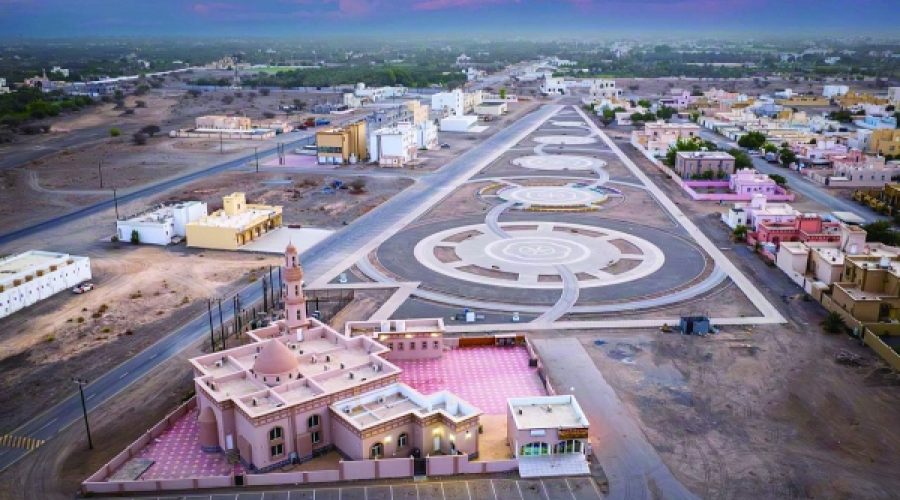
Each governorate benefited from its allocated funds under the previous plan and, through the Governorate Development Programme during the Tenth Five-Year Plan, initiated and executed a variety of service and development projects. Significant initiatives included the paving of internal roads, the enhancement of public parks, and the establishment of waterfront areas.
According to the State Budget Report for Fiscal 2026, the government will persist with these efforts into the Eleventh Five-Year Plan, further promoting decentralization and boosting the competitive strengths of the governorates. An allocation of RO 20 million for each governorate is planned over the next five years for projects under the Governorate Development Programme.
During the 2026 State Budget briefing, Sultan bin Salim Al Habsi, Minister of Finance, noted that the issuance of two Royal Decrees at the start of the year, endorsing the Eleventh Five-Year Development Plan (2026–2030), reflects a commitment to align with global developments and national priorities. This aligns with Oman Vision 2040’s goals of fostering a diversified, competitive, and sustainable economy.
The key development projects for governorates in 2026 will emphasize waterfronts, public parks, internal roads, and commercial districts. Notable initiatives include the Aymas Bay project and a slaughterhouse in Khasab (Musandam); a multi-purpose hall in Al Buraimi; developments at the Hawiyat Najm site in Qurayyat, Ramlat Bousher, and Muttrah Square in Muscat; the historic center in Al Khabourah (North Al Batinah); Rimal Park in Nakhal, as well as waterfronts in Barka and Al Musannah (South Al Batinah); the Al Ashkharah beach waterfront (South Al Sharqiyah); Souq Al Mawarid in Sinaw, the Bidiyah Recreation Centre, and Wadi Bani Khalid (North Al Sharqiyah); the Grand Canyon project in Al Hamra, and Nizwa Square Boulevard (Ad Dakhiliyah); the Mahout waterfront and a multi-purpose hall in Al Wusta; as well as the completion of Al Razzaz Boulevard, the Awqad waterfront, and the initiation of the Taqah waterfront project in Dhofar.
The Eleventh Five-Year Development Plan aims to enhance economic decentralization by addressing developmental disparities among governorates through targeted investments that meet local needs. It seeks to strengthen decentralized management and local leadership, improve infrastructure, and elevate service quality. Ultimately, these measures are designed to bolster the economic and developmental autonomy of the governorates while enhancing the efficiency of local governance.
Special Analysis by Omanet | Navigate Oman’s Market
The recent allocation of RO 220 million towards decentralized local development under Oman Vision 2040 highlights a strategic push for regional economic empowerment, presenting significant opportunities for businesses. Entrepreneurs should consider investing in local infrastructure and community-based projects, as targeted investments align with the unique needs of each governorate. However, this shift may also pose risks for traditional businesses that fail to adapt, underscoring the need for agility and market awareness in this evolving landscape.