Meranti Steel’s Phased Hydrogen Plan: Key Implications for Investors and Energy Sector Growth in Oman
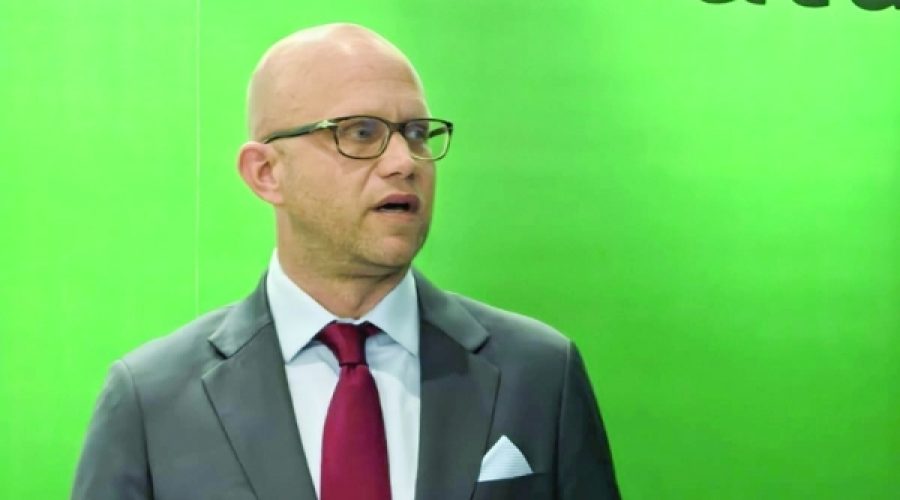
MUSCAT, FEBRUARY 24 – Singapore-based steel manufacturer Meranti Green Steel announced plans to advance its hot briquetted iron (HBI) project in Duqm through a phased energy transition model. The initial phase will utilize a fuel mix of 11.5% green hydrogen and 88.5% natural gas, with the company working on a financing strategy that incorporates both international and local funding sources, according to CEO Dr. Sebastian Langendorf.
During the inauguration of Meranti’s new office in Muscat, Langendorf emphasized the company’s eagerness to incorporate green hydrogen “as soon as it is available,” while noting that its feasibility must align with technical, environmental, and commercial requirements.
The CEO confirmed that Meranti is collaborating with Amnah, a consortium dedicated to developing an integrated green hydrogen project in Al Duqm, to co-develop and engineer a suitable hydrogen supply profile for its operations.
Langendorf remarked, “We are not just waiting for green hydrogen to become available; we want to actively contribute to its availability.” He described the project’s fuel mix as reflective of Oman’s broader energy transition strategy, with plans for increasing the hydrogen component over time.
Meranti’s interest in Oman stems from its raw material strategy and strategic discussions with a key iron ore partner, as the company seeks ways to produce low-carbon HBI. He highlighted Al Duqm’s significant renewable energy potential, favorable location, robust infrastructure, and supportive policies as key reasons for choosing Oman as a competitive base for the project.
Additionally, Langendorf connected the Duqm initiative to Meranti’s downstream objectives in Thailand, where the company is expanding its steel production capacity to meet local automotive market demands. While the Thailand project will utilize scrap, it still requires HBI to meet quality standards, making Al Duqm an essential source of feedstock.
Transitioning from initial exploration to a deeper commitment took merely three to four months, with strong engagement over approximately 18 months solidifying Meranti’s intentions for Al Duqm. He acknowledged the support received from various Omani institutions, including Invest Oman, Integrated Gas Company (IGC), and Hydrom.
Regarding project developments, Langendorf stated that Meranti has secured a conditional gas allocation from IGC and received a conditional investment permit from Invest Oman, marking significant milestones for the endeavor.
While he refrained from disclosing specifics on gas pricing, Langendorf emphasized that the evaluation of Oman’s attractiveness is not solely based on costs. He pointed out that the company considers factors like political stability, long-term vision, government support, logistics, infrastructure, and workforce potential.
Currently, the project is financed at the corporate level by Meranti, with plans to raise dedicated financing for the Oman project underway. A banking group led by KfW IPEX-Bank from Germany is facilitating this financing initiative, and Meranti is hopeful to secure export credit agency (ECA) coverage to enhance funding competitiveness. The company is also in conversations with three local banks regarding local debt options, with international debt expected to constitute a larger portion.
On equity distribution, Langendorf noted that the final balance between international and local investors has yet to be finalized. EY is serving as Meranti’s financial adviser to aid in structuring this funding mix.
Meranti has committed to delivering local value in collaboration with Invest Oman, although specific targets were not disclosed. The CEO emphasized that local participation in labor, management, and procurement is essential to the project, with local sourcing prioritized where feasible.
Langendorf acknowledged that a gradual increase in hydrogen usage is critical for maintaining commercial viability, particularly given that hydrogen remains costlier than gas-based alternatives, and customer readiness to pay a premium is still evolving.
Looking ahead, he expressed confidence in Oman’s hydrogen potential, provided that the transition is approached incrementally, supported by flexible regulations and infrastructural advancement.
The project envisions developing a 2.5 million-tonne-per-year HBI plant in the Special Economic Zone at Duqm (SEZAD), with a Final Investment Decision expected by mid-2026 and commissioning targeted for mid-2029.
Special Analysis by Omanet | Navigate Oman’s Market
Meranti Green Steel’s phased approach to developing its hot briquetted iron project in Duqm presents substantial opportunities for businesses in Oman, particularly in the areas of green hydrogen supply and local participation. However, the reliance on a balanced energy mix and the gradual ramp-up of hydrogen usage introduces risks related to cost competitiveness and market readiness. Smart investors should focus on forging partnerships with local entities and proactively engaging in the evolving hydrogen landscape to position themselves favorably as the sector matures.