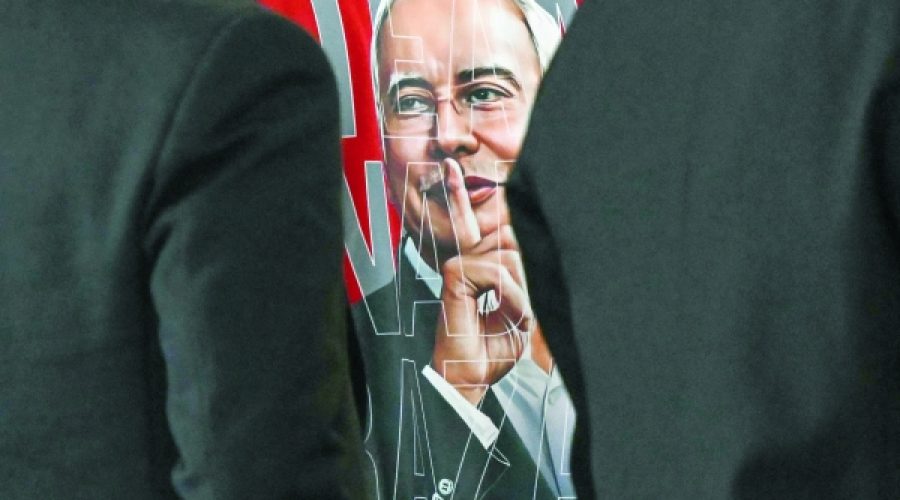
Najib’s 1MDB Graft Conviction: Implications for Malaysian Investors and Business Landscape
Former Malaysian Prime Minister Najib Razak Found Guilty of Corruption in 1MDB Scandal
Former Malaysian Prime Minister Najib Razak was convicted on Friday for abusing his power in the infamous 1MDB corruption scandal, which involved the misappropriation of billions from the now-defunct sovereign wealth fund.
This latest conviction could significantly increase the length of Najib’s current six-year prison sentence, which he is already serving for a separate case linked to 1MDB.
Judge Collin Lawrence Sequerah ruled against the 72-year-old former leader on all four counts of abuse of power. Najib now faces an additional verdict on 21 counts of money laundering associated with the fund, prompting investigations in several countries, including Singapore and the United States.
Once hailed as a promising leader, Najib has seen his reputation plummet amid public outrage regarding his involvement in the corruption scandal. Following his electoral defeat in 2018, subsequent investigations have implicated both him and his wife, Rosmah Mansor, in various graft allegations.
Prosecutors assert that Najib misused his roles as prime minister, finance minister, and chairman of the 1MDB advisory board to transfer large sums from the fund into his personal accounts more than a decade ago. Investigators allege that money from the state fund financed luxury items such as high-end real estate, a luxury yacht, and valuable artworks.
Friday’s proceedings began at 9 a.m. at the Kuala Lumpur High Court in Putrajaya. Judge Sequerah started delivering a lengthy verdict but paused for Friday prayers, resuming at 3 p.m. During the morning session, he dismissed multiple defense arguments, including claims that Najib was misled by his associate, the elusive businessman Jho Low.
"The evidence clearly shows that this was not a coincidence but rather indicative of a relationship where Jho Low acted as a proxy for the accused in the operations of 1MDB," Sequerah stated. He ruled that claims of Najib being "misled" were unfounded.
Low, currently a fugitive, has been identified as the mastermind behind the scheme to exploit the country’s investment vehicle. The prosecution presented substantial evidence, including bank statements, witness testimonies from over 50 individuals, and various documents.
Najib’s actions were described as reflecting his absolute control over financial, executive, and political decisions. The deputy public prosecutor, Ahmad Akram Gharib, noted that Najib’s claims of being a victim of rogue subordinates were disingenuous.
Despite his lawyers’ assertions that Najib was unaware of the collaboration between 1MDB’s management and Low, the judge emphasized his pivotal role in the corruption.
Najib has expressed regret for the occurrence of the 1MDB scandal during his tenure but maintains that he had no knowledge of illegal transfers from the fund.
His legal troubles intensified earlier this week when he lost an appeal to serve the remainder of his jail term at home instead of at Kajang Prison, located outside of Kuala Lumpur. Each count of abuse of power carries a potential sentence of up to 20 years in prison and fines that could amount to five times the bribe involved.
Special Analysis by Omanet | Navigate Oman’s Market
The conviction of former Malaysian Prime Minister Najib Razak underscores the critical importance of transparency and integrity in governance, sending a clear message to leaders within Oman and the broader Gulf region. As businesses navigate an increasingly scrutinized regulatory environment, the opportunity exists for ethical companies to differentiate themselves, potentially gaining consumer trust and investor confidence. Smart investors should consider the growing appetite for corporate governance reforms as a compelling avenue for investment in Oman’s evolving market landscape.