Current Oil & Gas Crisis Surpasses 1973, 1979, and 2002: Key Implications for Businesses and Investors in Oman
Oil and Gas Crisis More Severe Than Past Disruptions, Warns IEA Chief
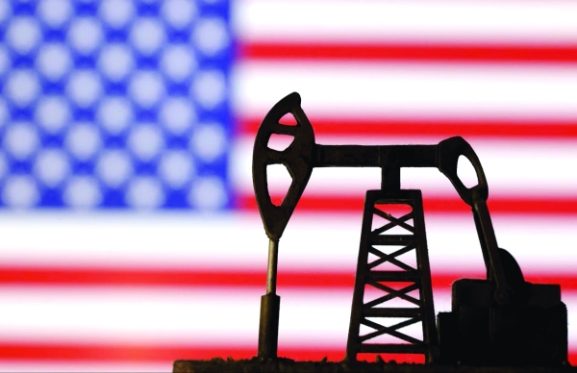
PARIS – The ongoing oil and gas crisis, spurred by the blockade of the Strait of Hormuz, is “more serious than the crises of 1973, 1979, and 2002 combined,” according to Fatih Birol, the Executive Director of the International Energy Agency (IEA). In an interview with Le Figaro, published in its Tuesday edition, he emphasized the unprecedented scale of this disruption to global energy supplies.
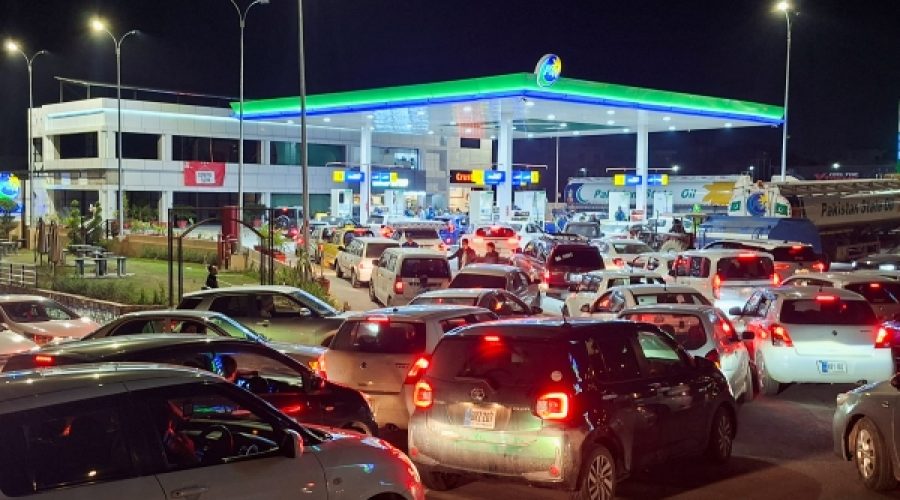
Birol noted that while European nations, along with Japan, Australia, and others, will feel the impact, it is the developing countries that are particularly vulnerable. These nations are expected to face skyrocketing oil and gas prices, increased food costs, and heightened inflation.
In response to the crisis, IEA member countries reached a consensus last month to tap into their strategic reserves. Some of these reserves have already been released, and the process is ongoing, Birol confirmed.
The situation intensified following military actions by Israel and the U.S., which led Iran to nearly completely halt traffic in the Strait of Hormuz—a crucial passage for approximately 20% of the world’s oil and gas supply—resulting in a spike in energy prices.
Special Analysis by Omanet | Navigate Oman’s Market
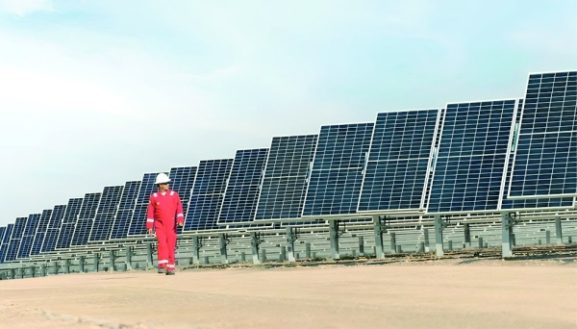
The severe disruption to energy supplies caused by the blockade in the Strait of Hormuz represents both a risk and an opportunity for businesses in Oman. Companies may face intensified cost pressures due to rising energy prices, yet this scenario could also open avenues for those involved in renewable energy solutions or alternative supply chain logistics. Smart investors should closely monitor the situation, considering potential investments in sectors that can adapt quickly to shifting energy dynamics.