Oman Enhances Food Security Strategy: Key Implications for Investors and Businesses
Oman Advances Food Security Initiatives Aligned with Vision 2040
By Afrah Al Balushi
Oman is reinforcing its status as a leader in food security by implementing a strategic vision aimed at sustainability and enhancing local production. This initiative aligns with the objectives outlined in Oman Vision 2040 and the Eleventh Five-Year Development Plan (2026–2030).
The country’s food policy operates on two primary tracks. The first focuses on commodities where self-sufficiency exceeds 75%, with initiatives underway to increase processing and exports. The second track concentrates on commodities with lower self-sufficiency levels, aiming to boost local production and decrease reliance on imports.
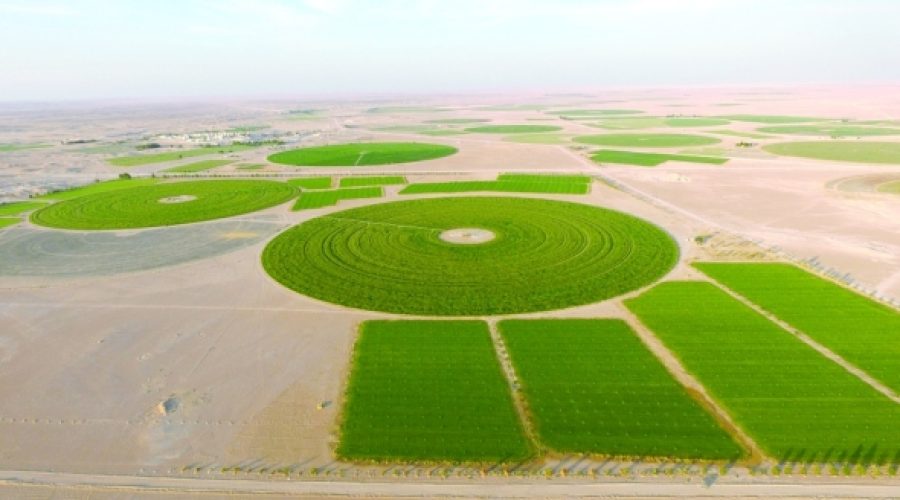
Recent data indicates that Oman has achieved impressive self-sufficiency rates in various commodities: fish at 146%, dates at 99%, fresh milk at 96%, table eggs at 95%, and vegetables at 79%. Notable agricultural products, including cucumbers (100%), cantaloupes (98%), and peppers (96%), have also performed well. However, certain commodities still lag behind, with wheat at 2%, potatoes at 9%, onions at 16%, red meat at 45%, and poultry at 62%. This situation has prompted relevant authorities to intensify efforts to enhance production.
To support the food security framework, investments up to the end of March 2026 have reached approximately RO 29 million, reflecting a completion rate of 4.3%. The livestock sector has received the largest portion of these investments at RO 21.33 million, followed by the plant sector at RO 5.82 million and aquaculture at RO 1.89 million.
According to the Ministry of Agriculture, Fisheries and Water Resources, Al Buraimi Governorate leads in investment opportunities with a completion rate of 70%, followed by Al Batinah South at 62%. A total of 56 opportunities exist in the agricultural sector, compared to 23 in livestock.
To entice investors, the government is offering various incentives, including tax exemptions, subsidized electricity rates, low-interest loans, and designated agricultural zones for aquaculture projects.
Looking ahead to 2026, the Ministry aims for balanced growth by increasing private investment by 10% annually, boosting food exports by 6% to 7%, and developing added value in agriculture and fisheries by 5%. Additionally, the goal is to raise the self-sufficiency rate to 67%, improve water resource efficiency, and reduce emissions.
To further enhance food security, Oman is establishing a strategic reserve of essential commodities such as rice, wheat, sugar, lentils, powdered milk, cooking oil, and tea. This initiative aims to ensure their availability during emergencies and counteract global price fluctuations.
In a remarkable achievement, Oman ranked fourth globally and first in the Arab world for food self-sufficiency, according to a recent study. This ranking highlights the effectiveness of policies designed to boost local production and diversify food sources. Oman’s progress in sectors like fisheries—showing a 158% increase—alongside milk, dates, and vegetables, underscores the impact of investments and modern agricultural technologies on productivity.
In a strategic development, Oman has signed a Country Programme Framework Agreement with the Food and Agriculture Organization of the United Nations (FAO) for the period 2026–2030. This agreement aims to bolster food security and sustainability in the agricultural, fisheries, and water sectors.
Overall, Oman is making significant strides toward establishing a sustainable food system through a blend of local production, investment, modern technology, and strategic reserves. This comprehensive approach demonstrates the Sultanate’s ability to address global challenges and ensure long-term food security while fostering the private sector’s role as a crucial partner in economic development.
Special Analysis by Omanet | Navigate Oman’s Market
Oman’s strategic push towards food security and sustainability offers significant opportunities for businesses, particularly in agricultural production and related investments. However, the dependency on specific commodities with low self-sufficiency, like wheat and red meat, presents risks that investors must manage, especially with potential global price volatility. Smart investors should prioritize ventures aligned with local production boosts and take advantage of government incentives to mitigate these challenges while contributing to Oman’s ambitious Vision 2040 goals.