Oman’s Future Power Mix for AI Economy: What It Means for Business Opportunities and Investments
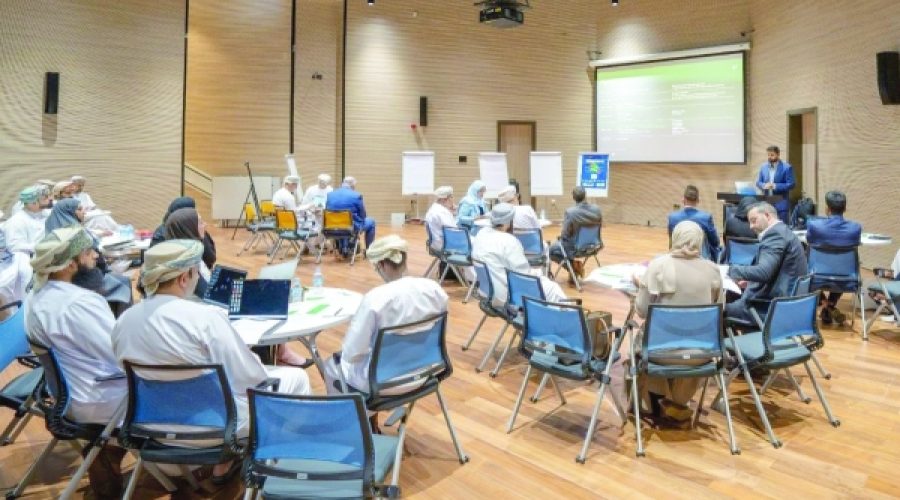
MUSCAT: The Ministry of Energy and Minerals of Oman, in collaboration with AtkinsRéalis, hosted the "Powering the Future: Oman Electricity Innovation Showcase" on December 10. This event united prominent leaders from government, utilities, regulatory bodies, and industry to address the growing electricity demand in Oman, driven by economic growth fueled by artificial intelligence.
The showcase focused on strategies for meeting future power requirements through a diverse energy mix, including nuclear power, renewable sources, advanced energy grids, and energy storage solutions, all while striving to align with the country’s goal of achieving net-zero emissions by 2050.
Mohsin bin Hamad al Hadhrami, Under-Secretary of the Ministry of Energy and Minerals, emphasized that a secure and sustainable power system is crucial to Oman’s industrial strategy. He referenced initiatives like the Oman Digital Triangle, which envisions gigawatt-scale AI superclusters as part of the National Digital Infrastructure Roadmap. Al Hadhrami stated that the collaboration showcased technologies and models that could diversify the energy mix, enhance grid resilience, and expedite progress toward national objectives.
The event included sessions dedicated to decarbonization pathways, grid resilience for economies reliant on AI, and the complementary roles of nuclear energy alongside intermittent renewables. Expert presentations discussed topics such as regional grid interconnections, hydrogen solutions, financing options, and advanced grid technologies. Panel discussions also explored integration, policy frameworks, and investment strategies. Attendees participated in interactive simulations aimed at managing grid operations with varied supply mixes.
Todd Smith, Vice President of Marketing and Business Development at CANDU Energy Inc., highlighted the necessity of reliable and clean baseload power for a modern, data-driven economy. He pointed out that nuclear energy offers dispatchable, low-carbon capacity, enabling nations to expand renewable energy without jeopardizing grid stability or affordability.
These discussions are particularly timely, as Oman’s electricity demand is rising at an annual rate of 6.1%, with regional consumption expected to surge significantly by 2035. The rapid expansion of data centers, increasing cooling requirements, and widespread electrification are exerting additional pressure on power systems throughout the Gulf.
Matthew Tribe, Global Market Lead for Buildings & Places at AtkinsRéalis, noted that the intention of the showcase was to translate theoretical concepts into practical, evidence-based strategies. He asserted that the integration of renewables, advanced storage options, grid-forming technologies, and established nuclear solutions can support immediate growth while positioning Oman as a regional leader in robust, low-carbon energy systems.
Special Analysis by Omanet | Navigate Oman’s Market
Oman’s recent emphasis on diversifying its energy mix through nuclear and renewable sources signals a pivotal shift for businesses, opening new investment opportunities in energy technologies and infrastructure. As the country aims for a sustainable power system to meet growing electricity demand, savvy investors and entrepreneurs should consider aligning with government initiatives and exploring solutions in advanced grid technology and decarbonisation strategies. However, the pressure of rising demand also presents risks; companies must navigate fluctuating energy costs and potential regulatory shifts.