Oman’s Daily Sulfur Production Hits 240 Tonnes: Key Insights for Investors and Businesses
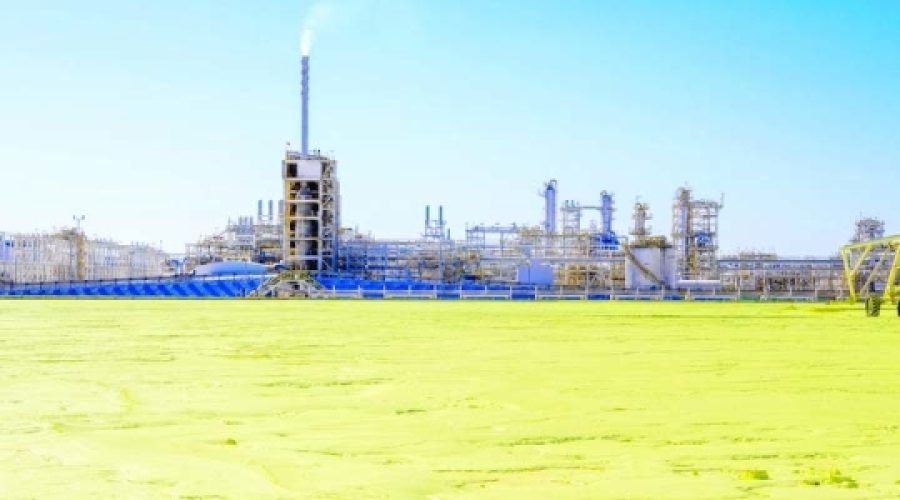
MUSCAT: Oman’s sulfur production is currently estimated at 240 tonnes per day, primarily sourced from gas processing operations at Petroleum Development Oman facilities, including Jebel Khuff and Taysir. This output not only ensures a consistent industrial supply but also enhances the management of sour gas.
Sulfur is extracted from hydrogen sulfide through advanced desalination and the Claus process. It finds extensive applications in phosphate fertilizers, chemicals, steelmaking, and battery manufacturing. The transformation of a hazardous byproduct into a commercially viable raw material exemplifies a circular economy approach within the energy sector.
Dr. Salah bin Hafidh al Dhahab, Director General of Investment at the Ministry of Energy and Minerals, noted that the marketing of raw sulfur supports efforts to optimize resource utilization and bolster non-oil revenues. Pilot recovery initiatives have shown promising operational and economic outcomes, with plans for expansion into new fields.
A contract for sustainable sulfur management has been awarded to Green Fertilisers Company, which is in the process of establishing a fertilizer plant in Ibri, set to operate at a capacity of 400 tonnes per day. This facility aims to fulfill domestic demand while also targeting export markets.
The Ministry continues to refine regulatory and operational frameworks to ensure a balance between safety, environmental protection, and the creation of economic value. — ONA
Special Analysis by Omanet | Navigate Oman’s Market
Oman’s sulfur production advances the nation’s circular economy, turning a hazardous byproduct into a valuable resource and enhancing non-oil revenues. This opens significant opportunities for businesses in the fertiliser, chemicals, and battery sectors, especially with the establishment of new facilities aimed at both domestic and export markets. Smart investors should consider aligning with these initiatives to leverage growing demand while contributing to sustainable practices in energy and agriculture.