New Gas Framework in Oman: Key Tender Allocations and Their Impact on Your Business Investments
MUSCAT: The Integrated Gas Company (IGC), the sole aggregator and supplier of natural gas in Oman, has introduced a competitive bidding process for all natural gas allocation requests exceeding a specified threshold.
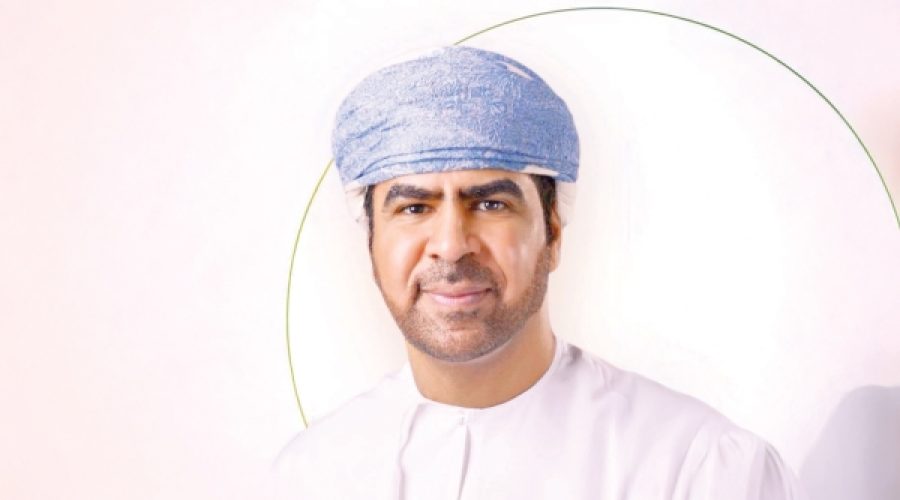
According to Eng. Abdul Rahman al Yahyaei, CEO of IGC, this new framework aligns the fully state-owned company with its mission to enhance government revenue, support economic diversification, improve efficiency and decarbonization, create job opportunities, generate in-country value (ICV), and foster market development.
Significantly, the framework also establishes a transparent pricing mechanism for gas for the first time. This initiative has increased confidence among industrial users and investors, as highlighted by Al Yahyaei in an interview with The Energy Year, a UK-based news outlet.
"Any allocation surpassing 1 mcm (35.3 MMcf) per day over a five-year period must now undergo a competitive tendering and bidding process," Al Yahyaei stated. "IGC has already conducted two tenders: the first focused on green steel production, resulting in conditional allocations to Jindal Steel Duqm, Mitsui, Kobe Steel, and Meranti Green Steel—a consortium producing Direct Reduced Iron (DRI) in Duqm. The second tender, aimed at fertilizers, led to a conditional allocation to Al Shaafi Holding. These tenders have provided critical insights into pricing and term preferences among applicants."
This competitive bidding mechanism is part of a broader set of reforms initiated by IGC in 2024, which included the launch of Oman’s first gas spot market and new terms in natural gas sales agreements (NGSAs), such as take-or-pay clauses and pricing measures for excess gas.
Additionally, IGC has completed a comprehensive price-indexation study for the fertilizer, methanol, cement, and steel industries, determining both minimum and cap pricing levels while advancing several digital initiatives.
In support of economic growth and diversification, IGC has recently signed agreements to allocate gas across various sectors, including fertilizers, petrochemicals, pharmaceuticals, food processing, and mining, effectively doubling the volume of gas dedicated to Oman’s industrial development. In total, the company has concluded 19 agreements, encompassing three gas purchase agreements with producers, 14 NGSAs with industrial users, and two memoranda of understanding (MoUs) with key stakeholders, collectively representing approximately 27 mcm (953 MMcf) per day.
When asked about balancing supply between traditional consumers and emerging industrial clusters in Duqm, Sohar, and Salalah, the CEO emphasized that the company prioritizes uninterrupted supply to existing businesses. At the same time, IGC evaluates new industries based on gas efficiency and alignment with energy-transition goals. "Our objective is to attract industries that use less gas, operate with lower emissions, and can progressively transition to alternative energy sources such as green hydrogen and other cleaner fuels," he concluded.
Special Analysis by Omanet | Navigate Oman’s Market
The new competitive bidding framework for natural gas allocations represents a significant shift in Oman’s energy landscape, emphasizing transparency and efficiency. This development opens strategic opportunities for businesses in sectors such as fertilizers and green steel, while also mandating that smart investors prioritize sustainability, innovation, and alignment with energy transition goals. Companies must now assess their resource efficiency and potential for decarbonization to thrive in this evolving market.