Puma’s Rollercoaster Journey: Key Insights for Investors and Entrepreneurs Navigating the Global Sports Market
Germany’s Puma and its rival Adidas have a storied history, tracing back to the same household where brothers Rudolf and Adolf Dassler founded their shoe business a century ago. A significant fallout between the siblings resulted in the division of the company, leading to the establishment of two distinct firms. Rudolf launched Ruda, which was later renamed Puma, while Adolf created Adidas. Notably, both companies maintain their headquarters just a short distance apart in Herzogenaurach, Bavaria.
In a strategic move, Puma is poised to be acquired by Anta, China’s leading sportswear firm, in a deal valued at $1.8 billion. This acquisition will make Anta Puma’s largest shareholder and aims to revitalize one of Europe’s most iconic sports brands, which has seen a considerable decline in its market position.
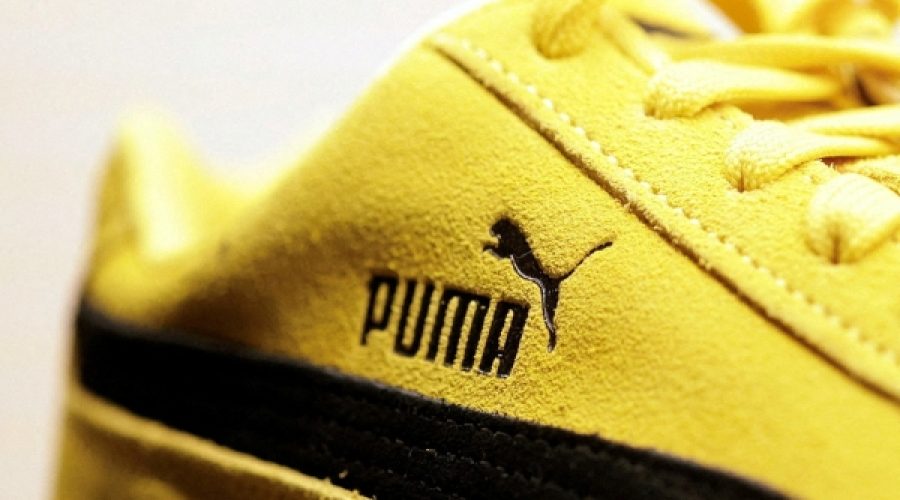
Despite its distinctive leaping wildcat logo, Puma has struggled to resonate with consumers for its sportswear and Speedcat sneakers, particularly as Adidas has surged ahead with its retro Terrace shoe line, creating a widening sales gap between the two brands.
Morningstar analyst David Swartz commented, “Puma became too dependent on lifestyle products rather than performance sports shoes, which truly drive this industry,” noting that reduced revenues have hampered the brand’s ability to invest in high-profile endorsements.
The competitive landscape has further intensified with the rise of newer brands, such as On Running and Hoka, pushing Puma down to third place in the sportswear sector behind Nike and Adidas. Puma’s CEO, Arthur Hoeld, observed in October that the brand had become “over-commercialized” and suggested it was “over-exposed in the wrong channels,” leading to excessive discounting.
The pending agreement with Anta involves acquiring a 29% stake previously held by the Pinault family, associated with Gucci-owner Kering. This collaboration is viewed as a pathway for Puma to regain market share, particularly in China. Following the announcement, Puma’s shares rose by 9%.
“We possess significant insights into how to enhance Puma’s success in China,” stated Wei Lin, Anta’s global vice president for sustainability and investor relations, calling Puma “one of the most valuable brands in this industry.” The acquisition values Puma at approximately $6.2 billion; its enterprise value is currently about equal to its projected sales for 2027, making it relatively inexpensive compared to its competitors like Adidas and Nike.
Founded in 1948, Puma has a rich history of producing athletic gear, including track spikes and soccer boots, originally manufactured in Herzogenaurach and now primarily sourced from factories in China, Vietnam, and Indonesia. While Puma once enjoyed success alongside Adidas, its stock peaked at 115 euros in late 2021 before plummeting to approximately 3.2 billion euros ($3.8 billion) on Tuesday, a mere fraction of Adidas’ market cap.
Recent trade tensions and fierce competition within the sportswear market have particularly affected Puma. New sneaker launches, like the Speedcat, have struggled to gain traction against Adidas’ popular Samba and other retro models inspired by 1970s and 1980s soccer culture. Hoeld, who has been in charge since July 2022, announced a turnaround plan in October that includes cutting 900 corporate jobs, reducing discounts, enhancing marketing efforts, and streamlining the product line.
Felix Dennl, a retail analyst at German bank Metzler, noted that Adidas’ early entry into the retro sneaker trend gave it a significant advantage over Puma. This head start allowed Adidas to leverage brand momentum across both lifestyle and performance categories, creating further challenges for its rival.
Special Analysis by Omanet | Navigate Oman’s Market
The upcoming acquisition of Puma by Anta presents new opportunities for businesses in Oman looking to engage with premium sportswear markets. Smart investors should consider how this shift may lead to enhanced brand visibility and innovative product strategies that could influence local consumer preferences. However, risks remain, particularly with increasing competition from emerging brands that could disrupt market dynamics even further.