Saudi Arabia Restores Full Capacity on East-West Oil Pipeline: Implications for Energy Investors and Market Dynamics
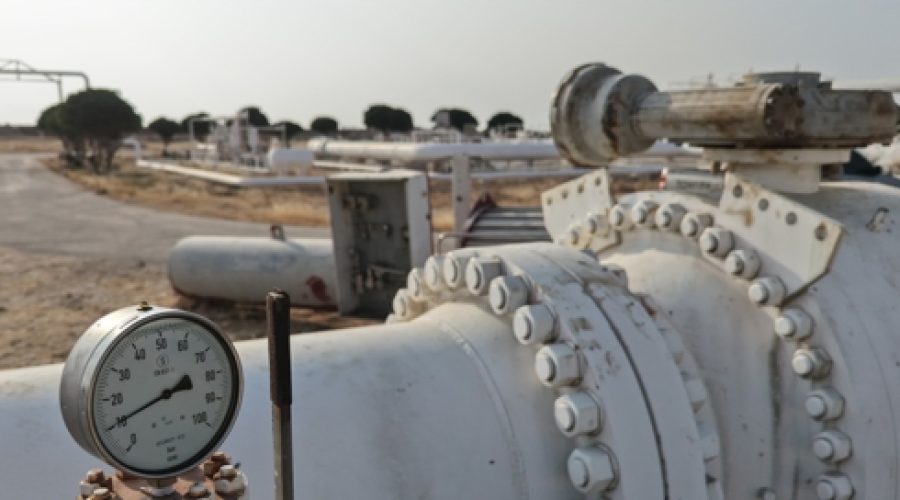
CAIRO – Saudi Arabia has announced the restoration of full oil pumping capacity through its East-West pipeline, which now stands at approximately seven million barrels per day. This confirmation was made in a statement released on Sunday.
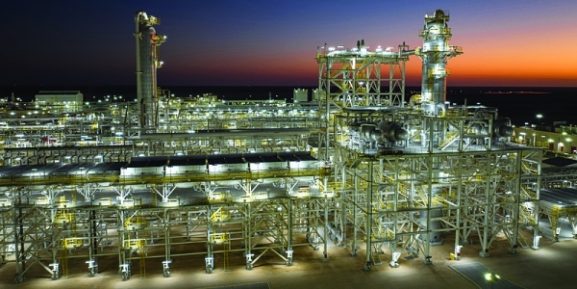
The Ministry of Energy reported that energy facilities and the pipeline, previously impacted by attacks during the Iran conflict, have successfully returned to operational status.
Following up on a statement issued by the Ministry of Energy on April 9, 2026, the ministry acknowledged that the assaults had resulted in the loss of around 700,000 barrels per day in pumping capacity through the East-West pipeline. Additionally, production from the Manifa field had decreased by about 300,000 barrels per day, while output from the Khurais field was similarly affected.
The Ministry also indicated that efforts are ongoing to restore the Khurais field to its full production capacity, with updates to follow upon completion. This prompt recovery highlights the operational flexibility and efficiency of Saudi Aramco and the overall resilience of the Kingdom’s energy infrastructure in managing crises. Such capabilities enhance the reliability and sustainability of oil supplies to both local and global markets, thereby supporting the global economy.
Special Analysis by Omanet | Navigate Oman’s Market
The restoration of Saudi Arabia’s oil pumping capacity signals a resumption of stable supply, which could lead to lower oil prices and reduced volatility in the region. This creates opportunities for Omani businesses to capitalize on competitive pricing and explore new markets. Entrepreneurs should remain vigilant, considering potential strategic partnerships in the energy sector, while also keeping an eye on geopolitical developments that could pose risks.