Low-Sulphur Fuel Project at Shinas Port: How It Will Impact Business Opportunities in Oman
MUSCAT, APRIL 11 — An agreement for the establishment of a low-sulphur marine fuel project is anticipated to be signed later this year at Shinas Port. This initiative represents a significant evolution for the port, transitioning from a mere cargo handling facility to one offering more advanced maritime services.
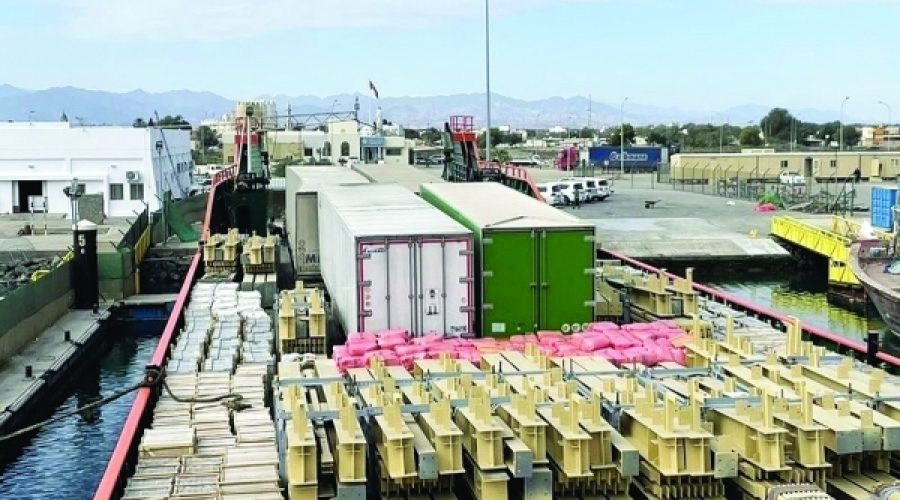
The development comes in response to increasing activity at the northern port, which, according to the operating company, handled a total of 813,155 tonnes of cargo in 2025. This figure includes 798,785 tonnes of imports and 14,369 tonnes of exports.
Additionally, Shinas Port has reported a rise in ship-to-ship transfer operations. These procedures involve the movement of various cargo types, such as petroleum products, bulk commodities, and general goods, between vessels within the port and nearby waters. This activity alleviates pressure on berths, reduces waiting times, and enhances the overall flow of shipments.
For Shinas, this presents an opportunity to generate service revenue without solely depending on cargo volume growth or immediate infrastructure expansion. Officials emphasized that these operations are conducted under stringent regulatory and security measures, with regular coordination among relevant authorities.
In conjunction with the marine fuel project, a second investment focused on ship recycling and processing is also being evaluated for Shinas. Should this project proceed, it would introduce an industrial aspect to the port’s activities and has the potential to create jobs.
Together, these initiatives indicate that Shinas is poised to assume a broader role in Oman’s maritime economy, extending its operations beyond cargo handling to encompass fuel services, logistics, and related industrial offerings. The plans for the low-sulphur fuel project highlight Shinas’ progress toward a more specialized function within the country’s port and logistics network.
Special Analysis by Omanet | Navigate Oman’s Market
The anticipated low-sulphur marine fuel project at Shinas Port signals a transformative shift towards higher-value maritime services, presenting significant opportunities for businesses looking to invest in the logistics and energy sectors. Smart investors should consider early positioning in emerging services like ship recycling and processing, which could enhance profitability and job creation while aligning with Oman’s evolving maritime economy. However, businesses must also remain cognizant of regulatory frameworks to mitigate risks associated with compliance and operational oversight.