Market Response to Trump’s Non-Military Stance on Greenland: Implications for Investors and Entrepreneurs
Markets Stabilize Following Trump’s Remarks on Greenland
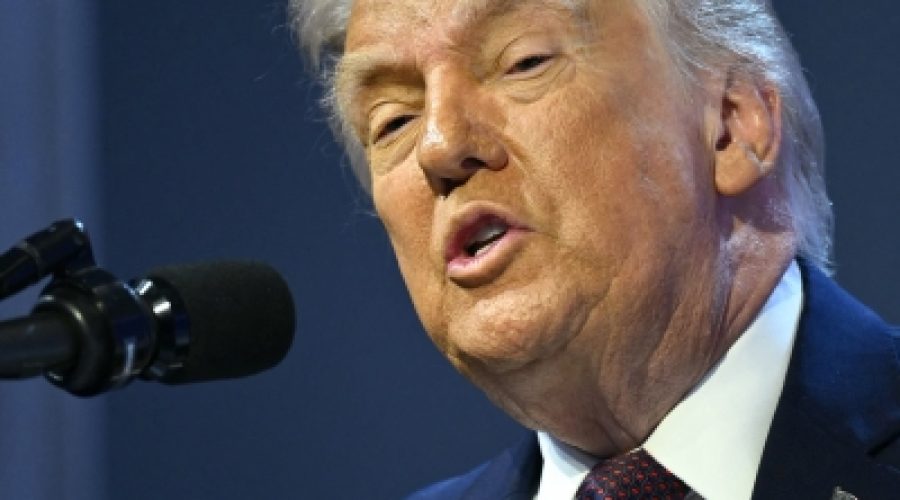
President Trump’s recent statement at the World Economic Forum in Davos, asserting that the United States will not use military force to acquire Greenland, has had a positive impact on market conditions today.
U.S. equities rebounded after an initial downturn, with the Dow Jones Industrial Average and other indices showing gains as Treasury yields declined and the U.S. dollar stabilized following earlier losses. This indicates that investors appreciated the alleviation of a potential risk associated with geopolitical tensions, as noted by capital.com.
The recovery came after President Trump softened his previous stance regarding Greenland, announcing that he would not impose tariffs on European nations as initially planned for February. This announcement suggests that a framework for trade agreements has been established, easing tensions that had escalated throughout the week. Trump’s comments earlier at Davos reinforced his position, emphasizing that he would not pursue the acquisition of Greenland through force.
These developments helped reverse some of the sharp sell-offs experienced earlier in the week, sparked by Trump’s previous rhetoric—which included threats of tariffs and a potential forceful acquisition of Greenland—causing concerns about a deeper rift with NATO allies and increased geopolitical instability. This uncertainty had severely impacted market sentiment, contributing to the largest losses seen since October as investors sought clarity.
By explicitly ruling out military intervention, Trump’s statement dispelled one of the more unlikely yet destabilizing scenarios that markets had been considering. This clarification helped reduce perceived risks and restored a measure of calm to asset prices.
Prior to these clarifications, the U.S. dollar had weakened as traders began to factor in potential instability stemming from U.S. actions—a relatively uncommon situation. Safe-haven assets, such as the Japanese yen, Swiss franc, and gold, had gained strength in light of this narrative. However, with the military intervention off the table, some of this demand for safe havens has eased, at least temporarily.
Special Analysis by Omanet | Navigate Oman’s Market
The recent stabilizing remarks from President Trump at the World Economic Forum signal reduced geopolitical tensions, which can enhance investor confidence in Oman and the broader Gulf region. As businesses in Oman consider this more stable outlook, they should explore opportunities for cross-border trade and investment, particularly in sectors sensitive to U.S.-European relations. Smart investors should now evaluate sectors that may benefit from increased stability, while keeping an eye on potential market adjustments driven by shifts in global currencies and investor sentiment.