Aquaculture Output to Reach 9,240 Tonnes: What This Growth Means for Investors and Entrepreneurs in Oman
MUSCAT: Aquaculture production in Oman is expected to reach approximately 9,240 tonnes by 2025, representing a significant 67.7% increase compared to 2024, according to the Ministry of Agriculture, Fisheries and Water Resources. The sector’s total production value is projected to surpass RO 20.3 million, marking a 63.7% year-on-year rise as aquaculture grows in support of national food security and economic diversification goals.
Dr. Issa bin Mohammed al Farsi, Director of the Aquaculture Development Department at the ministry, identified the primary farmed species in Oman as white-legged shrimp and European cobia, followed by tilapia, Omani abalone, and rock oysters.
He explained that the ministry has implemented a comprehensive strategy to establish a competitive and sustainable aquaculture industry aligned with Oman’s environmental, social, and economic priorities. This strategy is founded on four key pillars: adherence to international quality standards, sustainability and environmental responsibility, community engagement, and strengthening national food security.
These initiatives align with Oman Vision 2040, which seeks to diversify income sources and enhance the contribution of non-oil sectors to the country’s economy.
Dr. Al Farsi also highlighted the ministry’s promotion of entrepreneurship in integrated aquaculture systems, which combine fish farming with crop cultivation. This approach helps conserve water resources and minimize environmental emissions.
To support investors and young entrepreneurs, financing packages covering up to 80% of project costs are available through the Development Bank and other institutions. Additionally, innovation programs such as the “Propose Your Project” platform assist entrepreneurs in developing viable aquaculture ventures.
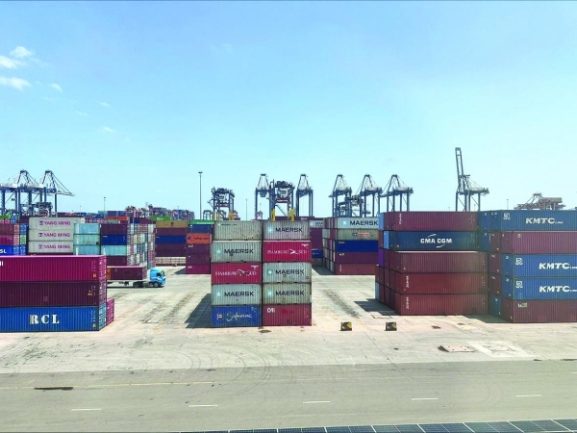
Omani farmed fish products are increasingly targeting major international markets, including the European Union, China, Korea, and Russia, alongside Gulf and Arab markets.
The ministry ensures strict quality control through the Best Aquaculture Practices (BAP) certification system and regular laboratory testing conducted by the Food Quality and Safety Centre, guaranteeing product safety and compliance with global standards.
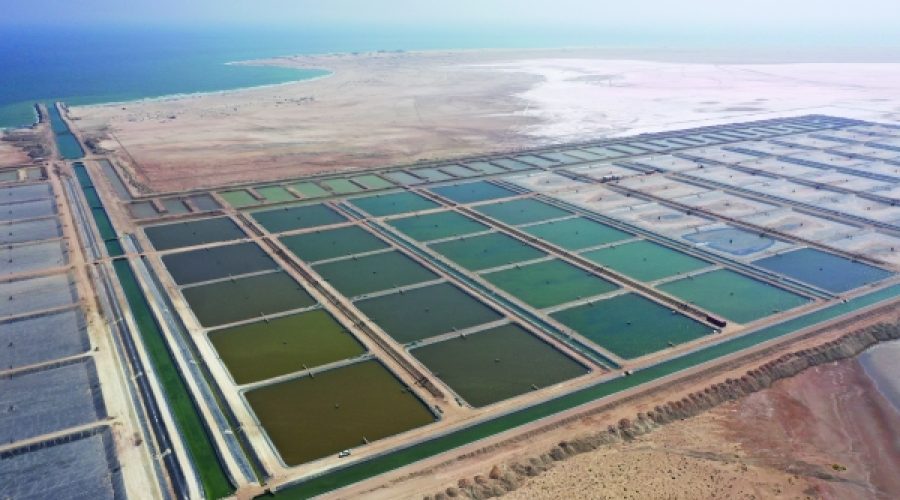
Construction began in February on a major white-legged shrimp farming project in Wilayat of Shinas, Al Batinah North Governorate. This RO 23.5 million project covers 15 hectares and is expected to produce around 7,500 tonnes annually once operational, making it one of the largest aquaculture developments in Oman. — ONA
Special Analysis by Omanet | Navigate Oman’s Market
Oman’s aquaculture sector is poised for significant growth, with production expected to surge by nearly 68% in 2025, driven by strong government support and strategic alignment with Oman Vision 2040. This presents bold opportunities for businesses and investors to capitalize on expanding export markets and government-backed financing, especially in sustainable and integrated aquaculture ventures. However, maintaining stringent quality standards and environmental responsibility will be critical to securing long-term success and global market access.