Petronas Block 18 Pact: What It Means for Oman’s Offshore Investment Growth and Business Opportunities
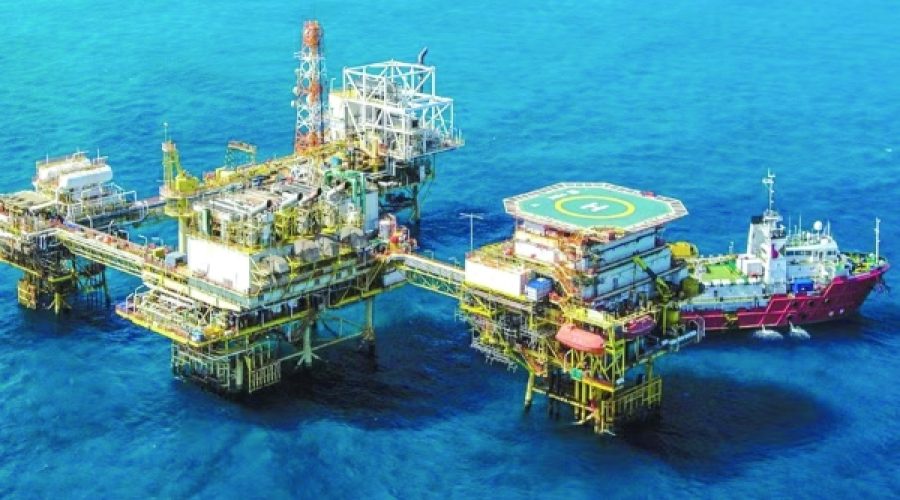
MUSCAT: The recent historic concession agreement between Oman’s Ministry of Energy and Minerals and Malaysian state-owned energy giant Petronas to explore hydrocarbons in Block 18, located off the Al Batinah coast, represents a significant advancement in Oman’s strategy to attract international partners for sustaining and expanding hydrocarbon production—a vital component of the national economy.
The partnership with Petronas brings Oman not only a financially strong and technically proficient collaborator but also access to cutting-edge technology and expertise, especially important given the largely undeveloped status of Block 18. The national upstream company OQ Exploration & Production (OQEP), through its wholly owned subsidiary Batinah Offshore LLC, holds a 30% non-operating interest in the block. Petronas’ wholly owned subsidiary, PC Oman Ventures Ltd (PCOVL), retains a 70% operating stake.
Block 18, situated in the North Sohar Basin between the Al Batinah Coast and the Makran Accretionary Prism, spans 21,140 square kilometers with water depths ranging from 30 to 3,000 meters. To date, approximately 10,000 km of 2D seismic data and 2,048 square kilometers of 3D seismic data have been gathered. Previous operators, including Reliance Industries Ltd (via Reliance Exploration and Production DMCC), which was awarded the concession in 2005, drilled three wells and identified multiple potential hydrocarbon plays. Under a 2009 farm-out agreement, OOCEP acquired a 30% interest. Despite extensive seismic studies and drilling campaigns, Reliance ceased operations in 2011 after failing to achieve commercial success.
While no commercial discoveries have been announced yet, the new agreement is expected to initiate advanced seismic and geophysical surveys, technical evaluations, and exploratory drilling to fully assess Block 18’s hydrocarbon potential. Success here could significantly expand Oman’s offshore oil and gas production, which is currently dominated by onshore and shallow-water fields.
Oman’s offshore exploration history includes Block 52—a 90,000 square kilometer deepwater concession awarded in 2017 to Eni, with partners Qatar Petroleum and OOCEP. Though Eni drilled the country’s first deepwater well there, no commercial hydrocarbons were found, leading the operators to plan relinquishment by 2024.
Conversely, Block 50 (the Masirah Block) stands out as an offshore success story, with the Yumna Field achieving first oil in February 2020 and producing over 9 million stock tank barrels by the end of 2024.
Block 18’s prospects are further bolstered by Petronas’ strong international exploration record, particularly offshore. The company has delivered significant discoveries in Suriname’s Block 52 and is actively engaged in deepwater exploration in Suriname’s Guyana Basin (Block 66), where it holds an 80% operating interest under a production-sharing contract and plans multiple exploratory wells.
Ranked among the world’s top 20 largest oil and gas firms, Petronas reported revenues between $110 billion and $115 billion and net profits exceeding $10 billion in 2025, reflecting its financial strength and capacity to undertake large-scale frontier hydrocarbon projects.
Special Analysis by Omanet | Navigate Oman’s Market
The new concession agreement with Petronas signals a strategic infusion of advanced technology, financial strength, and global expertise into Oman’s hydrocarbon exploration sector. For businesses, this partnership opens opportunities for technology partnerships and service contracts in offshore exploration, while investors should watch for potential breakthroughs in Block 18 that could significantly expand Oman’s offshore production base and diversify its energy portfolio. Smart entrepreneurs and investors must consider positioning themselves to capitalize on the expected surge in exploration activities and potential downstream developments stemming from successful discoveries.