Chinese Brands Expand in US Market Despite Tariffs: What This Means for Investors and Businesses Eyeing Cross-Border Trade
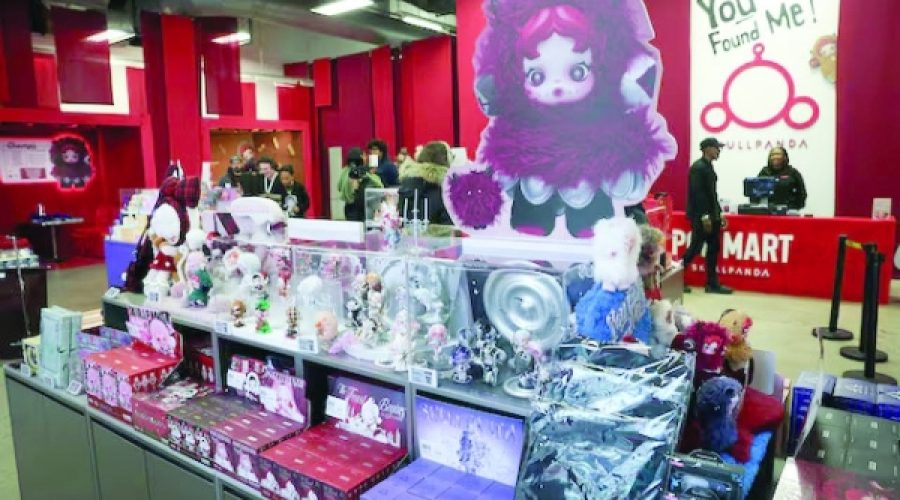
SHANGHAI/NEW YORK — A growing number of Chinese consumer brands are entering the U.S. market in 2025 to counter sluggish domestic sales and capitalize on higher profit margins abroad. Despite ongoing tariffs and discussions of economic decoupling, companies such as Pop Mart, Miniso, Anta, and Urban Revivo have announced new store openings or expansions across the United States.
Urban Revivo, often dubbed “China’s Zara,” launched its flagship store in New York City in March as a strategic move to test the U.S. market. The company’s CEO emphasized that they are still in the early stages of expansion, aiming to grow steadily and achieve profitability before measuring true success.
In 2025, several Chinese brands—including Urban Revivo, Auntea Jenny, Chagee, Luckin Coffee, and Mixue—opened their first U.S. locations. Anta, China’s largest sportswear company, is planning a new store in Beverly Hills. By September, Miniso operated 421 stores across North America, while Pop Mart ran 41 outlets mid-year with plans for rapid growth.
Many of these brands attract price-sensitive Western consumers by offering affordable products without compromising reliability. According to analysts, Chinese brands are positioning themselves as cost-effective alternatives with rising trust among buyers. Anta, for instance, hopes to draw global consumers through competitive pricing and increased visibility, including its Beverly Hills store and partnerships with U.S. basketball stars.
Although challenges such as low brand recognition persist, price appeal and novelty factor may help these Chinese brands capture the attention of younger American customers.
— Reuters
Special Analysis by Omanet | Navigate Oman’s Market
The aggressive expansion of Chinese consumer brands into the US signals a strategic shift towards global markets to offset domestic slowdown, highlighting the importance of international diversification for businesses. For Oman’s market, this trend presents opportunities to import competitively priced, innovative products that appeal to value-conscious consumers while posing a risk to local brands unprepared for heightened competition. Smart investors and entrepreneurs should consider leveraging partnerships with emerging global players and focus on building strong brand recognition and affordability to stay competitive amid rising international brand presence.