Commodities Slump: What It Means for Global Investors and Business Owners
SINGAPORE – Commodities markets experienced a sharp decline on Monday, driven by significant losses in gold, silver, oil, and industrial metals. This downturn followed President Donald Trump’s announcement of Kevin Warsh as the next U.S. Federal Reserve chair, which triggered a continued selloff in precious metals for the second consecutive session.
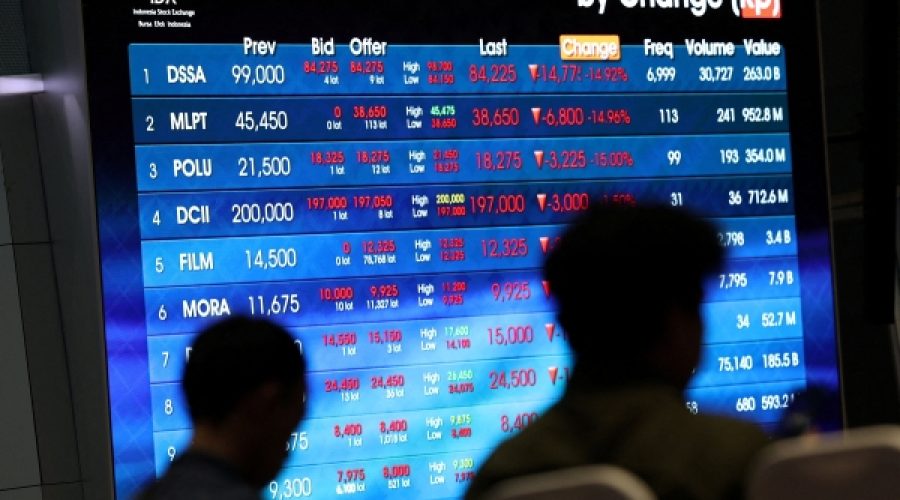
The selloff extended into equity markets as investors liquidated other assets to offset losses in precious metals. Global stocks dropped for the third consecutive day, with notable declines across Asian and European markets, particularly impacting basic resources stocks. MSCI’s All-World index fell by 0.5% on Monday, accumulating a 1.5% decrease since reaching a record high on January 27.
Investor unease was evident as the VIX volatility index rose again, nearing the 20-level—a threshold often associated with increased market tension.
Gold prices fell 5% to their lowest level in over two weeks, while silver plunged over 7%, both retreating from last week’s record highs. Oil prices dropped nearly 5%, retreating from multi-month peaks, and copper on the London Metal Exchange declined by 3%.
The downturn followed Trump’s announcement on Friday that Kevin Warsh, a former Federal Reserve governor, will succeed Jerome Powell as Fed chair in May. This surprise appointment disrupted market expectations that Powell’s successor would favor aggressive monetary easing and boosted the U.S. dollar. A stronger dollar typically raises the cost of commodities for holders of other currencies, reducing demand.
Although Warsh currently supports lower interest rates, his previous tenure at the Fed was marked by a hawkish stance on inflation. Commonwealth Bank of Australia commodities strategist Vivek Dhar commented, “The decision by markets to sell precious metals alongside U.S. equities suggests investors view Warsh as more hawkish.”
A hawkish Fed implies that interest rates will remain higher for longer, which strengthens the dollar and increases the opportunity cost of holding gold and silver, thereby reducing their appeal. Dhar added that a stronger dollar is also putting pressure on other commodities, including oil and base metals, but maintained a fourth-quarter gold price forecast of $6,000.
Selling in precious metals accelerated significantly on Monday, following the steepest single-day drop in spot gold since 1983, when gold fell over 9% on Friday. Silver experienced its largest daily decline on record, plunging 27%.
This accelerated selling coincided with a margin hike on metal futures by the CME Group, effective after Monday’s market close. Increased margin requirements typically reduce speculative trading, decrease liquidity, and prompt traders to close positions, which further pressures prices.
IG market analyst Tony Sycamore remarked, “The scale of the unwind unfolding in gold today is something I haven’t witnessed since the dark days of the 2008 global financial crisis.”
Energy markets also felt pressure on Monday due to signs of easing U.S.-Iran tensions. President Trump’s weekend remarks that Iran is “seriously talking” with Washington, alongside reports that Iran’s Revolutionary Guards have no plans for live-fire exercises in the Strait of Hormuz, contributed to reduced conflict fears.
Meanwhile, copper and iron ore faced challenges amid concerns about high inventories and weak demand as China approaches its Lunar New Year holiday on February 15. Analysts expect demand and trade activity to slow before the holiday in the world’s largest consumer of industrial and bulk metals.
Other commodities also slipped, with Tokyo rubber down nearly 3%, and Chicago wheat and soybeans each falling by about 1%.
Addressing the broader market outlook, Dhar stated, “The key question is whether this marks the start of a structural downturn in commodity prices or merely a correction. We see it as a correction and a buying opportunity rather than a fundamental shift.”
Special Analysis by Omanet | Navigate Oman’s Market
The recent selloff in global commodities, driven by hawkish signals from the incoming U.S. Fed chair and a stronger dollar, presents short-term risks for Oman’s resource-dependent economy, particularly in oil and metals sectors. However, smart investors and entrepreneurs should view the current correction as a potential buying opportunity, especially if global tensions ease and demand stabilizes post-Lunar New Year. Strategic diversification and monitoring U.S. monetary policy will be key to navigating volatility in Oman’s commodity-linked markets.