Al Duqm Emerges as Oman’s Petrochemicals 2.0 Launchpad: What This Means for Investors and Entrepreneurs
MUSCAT, DEC 28 — A transformative phase in Oman’s industrial landscape is unfolding in Al Duqm, where policymakers, energy firms, and industry leaders are uniting behind a forward-looking vision for “Petrochemicals 2.0.” This concept marks a shift toward a lower-carbon, integrated, and higher-value approach to the petrochemical sector.
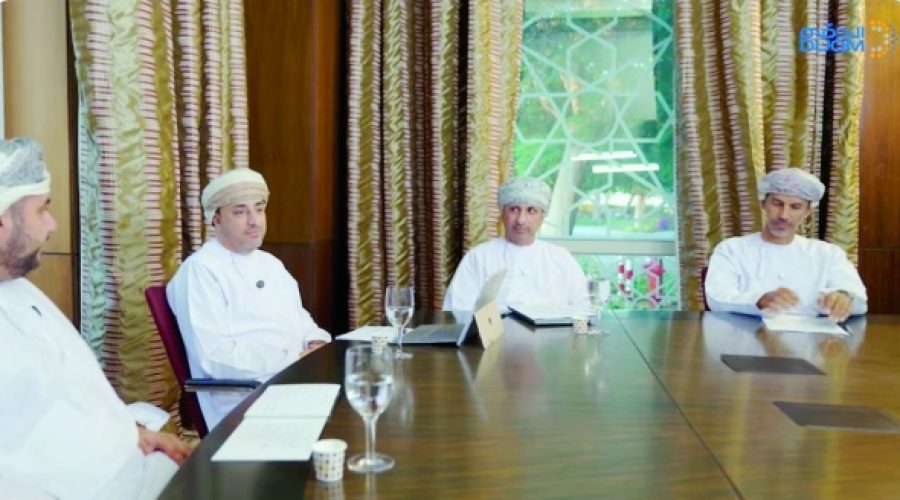
This key message emerged from a recent episode of the Duqm Now podcast, hosted by Talal al Shahri and organized by the Special Economic Zone at Duqm (SEZAD). The discussion featured Mohammed al Hashmi, Chief Operating Officer of OQ8; Khalid al Qassabi, Director General of Industry at the Ministry of Commerce, Industry and Investment Promotion (MoCIIP); and Dr. Idris al Siyabi, Renewable Energy Lead at Petroleum Development Oman (PDO).
Petrochemicals 2.0 signifies a departure from volume-driven growth toward a model rooted in decarbonisation, circular economy principles, and digitalisation. The objective is to drastically reduce lifecycle emissions by incorporating renewable energy, green hydrogen, and advanced process optimisation throughout the petrochemical value chain.
“Petrochemical production is highly energy-intensive and increasingly that energy must come from low-carbon sources,” explained Dr. Al Siyabi. He highlighted the role of solar and wind power in providing clean energy from feedstock handling to production and delivery, aiding producers in meeting stringent global carbon regulations.
From a policy perspective, petrochemicals continue to be a strategic pillar of Oman’s industrial development. Al Qassabi described the sector as both natural-resource-based and capital-intensive, which secures its long-term significance across various industries such as plastics, manufacturing, and healthcare.
He emphasized that competitiveness today extends beyond cost considerations. “Low carbon footprint is now as important as low cost,” Al Qassabi stated, citing increasing consumer and regulatory demands for sustainable products. To support this, Oman is advancing supply-chain compliance with new monitoring frameworks and incentives.
Al Hashmi noted that petrochemical companies are embedding net-zero targets into their operational KPIs and investment strategies, with significant outcomes anticipated within five years. Efforts include process engineering enhancements, closed-loop systems, carbon capture, and transitioning from grey to green hydrogen—critical for refineries and chemical plants.
Al Duqm’s distinctive advantage lies in its ability to integrate these elements on a large scale. As a greenfield industrial zone, it offers abundant land, rich solar and wind resources, and proximity to emerging green hydrogen initiatives. This allows petrochemical facilities to be purpose-built for low-carbon performance rather than undergoing costly retrofits.
“Integration is both logical and powerful in Al Duqm,” Dr. Al Siyabi observed, noting the co-location of refineries, renewable energy assets, and future chemical value chains. He stressed that Petrochemicals 2.0 is not about replicating current models but about adopting cutting-edge technologies like AI-driven optimisation, automation, green chemistry, and chemical recycling.
Beyond technology, Al Duqm is positioned as a center for talent and employment. The petrochemical sector currently accounts for around 10% of industrial jobs in Oman, with this share expected to grow as downstream value chains expand. Partnerships with universities and research institutes are preparing a new generation of experts in renewables, hydrogen, and advanced manufacturing.
With existing feedstock supplies, modern infrastructure, upstream industries, and a workforce enriched by decades of oil and gas expertise, Al Hashmi affirmed that Al Duqm is ready to carve out its distinct role. “We are well qualified to lead the next era of petrochemicals,” he said. “Petrochemicals 2.0 is the future — and Al Duqm is where it can be realised.”
Special Analysis by Omanet | Navigate Oman’s Market
Oman’s move towards "Petrochemicals 2.0" in Al Duqm signals a strategic shift to low-carbon, integrated industrial growth, positioning the Sultanate as a regional leader in sustainable petrochemicals. This transformation creates significant opportunities for businesses and investors to capitalize on cutting-edge technologies, renewable energy integration, and advanced value chains, while addressing rising global sustainability demands. Smart entrepreneurs should prioritize innovations in green hydrogen, circularity, and digital optimisation to stay competitive in this evolving market landscape.