Earthen Architecture for Greener Construction: How Sustainable Building Trends are Transforming Oman’s Real Estate Market
MUSCAT, DECEMBER 2 — The Sultanate of Oman is actively exploring the use of traditional building materials, especially clay, to promote more sustainable construction practices amid a growing global emphasis on low-carbon alternatives in the built environment. This focus was underscored during LC3 Day 2025 — Oman, an international technical forum that convened experts, researchers, and industry stakeholders to share advancements in low-carbon building materials.
Eng Khalfan bin Masoud Al Naabi, Director General of Urban Planning at the Ministry of Housing and Urban Planning, stressed the increasing importance of adopting environmentally friendly materials as nations work to reduce the environmental impact of urban development. He emphasized that low-carbon materials are gaining worldwide attention for their ability to reduce emissions, enhance energy efficiency, and bolster the resilience of cities over the long term.
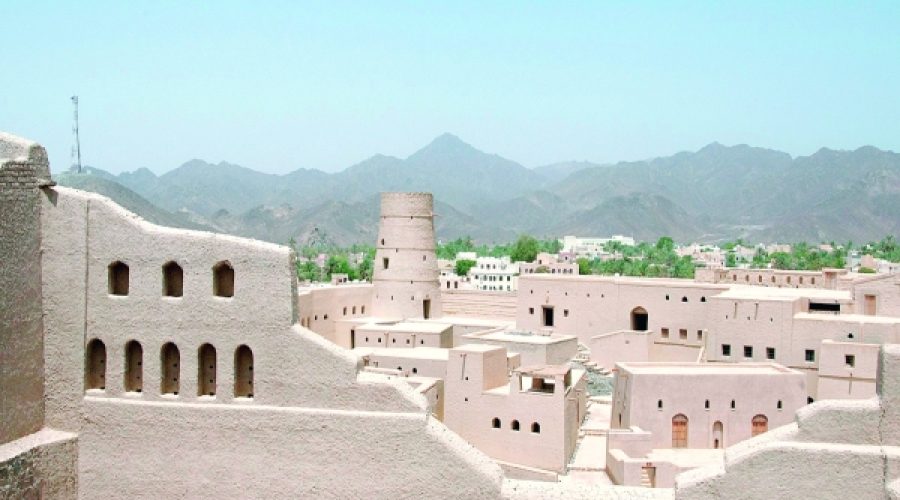
Highlighting Oman’s initiatives, Eng Al Naabi referenced the “Revival of Earthen Architecture” project, a collaboration between the Ministry of Housing and Urban Planning and the Ministry of Heritage and Tourism. This initiative aims to reintroduce clay—a material integral to Oman’s architectural heritage—using modern engineering techniques that improve performance while preserving its cultural and environmental significance.
“Clay is part of Oman’s architectural heritage, and today we are exploring ways to redevelop it through modern engineering methods that ensure efficiency while enhancing the cultural and environmental character of the urban landscape,” he stated.
According to Eng Al Naabi, earthen and other low-carbon materials present significant opportunities to lessen the environmental footprint of construction, particularly in arid climates where thermal performance and energy consumption are critical factors. Clay-based structures are noted for their natural insulation properties, which help regulate indoor temperatures and reduce cooling needs.
He also highlighted the importance of scientific research and international collaboration in promoting the broader use of alternative materials. Sharing global experiences and research findings is vital for understanding material properties and enhancing performance, especially as new technologies for processing and applying these materials continue to emerge.
Eng Al Naabi pointed out that the global construction sector is increasingly adopting low-carbon materials, driven by technological advancements and growing environmental awareness. He noted that technical forums like LC3 Day serve as important platforms for professional dialogue and knowledge exchange, rather than policy formulation.
“The key value of such scientific gatherings is bringing experts together to exchange knowledge and showcase experiences,” he said, adding that collaboration between the public sector, private industry, and academic institutions is crucial to addressing the environmental challenges facing the construction industry.
By hosting this forum, Oman created a space for international specialists to discuss both practical and research-driven strategies to reduce carbon emissions in construction, while also showcasing local initiatives such as earthen architecture. Organizers expect the discussions to foster broader professional learning and innovation in sustainable material use, both within Oman and globally.
Special Analysis by Omanet | Navigate Oman’s Market
Oman’s revival of traditional clay-based architecture integrated with modern engineering represents a strategic leap toward sustainable urban development, positioning the country as a pioneer in low-carbon construction in arid climates. For businesses, this shift opens opportunities in green building materials and eco-friendly construction technologies, while smart investors should consider backing innovations that enhance energy efficiency and cultural heritage preservation. This initiative also signals potential risks for conventional construction sectors lagging in sustainability adaptation, urging a forward-looking approach to environmental and market demands.