EU-Mercosur Trade Deal Nears Approval After 25 Years: Key Opportunities and Challenges for Businesses and Investors
BRUSSELS — On Friday, a majority of European Union member states approved the bloc’s plan to sign the Mercosur free trade agreement with Brazil, Argentina, Uruguay, and Paraguay, concluding more than two decades of negotiations.
During a Brussels meeting of representatives from the 27 EU countries, enough participants endorsed the signing, according to diplomatic sources.
The trade pact will create the world’s largest free trade zone, covering over 700 million people, the European Commission stated. The agreement, much debated and contested, had been under discussion for more than 25 years.
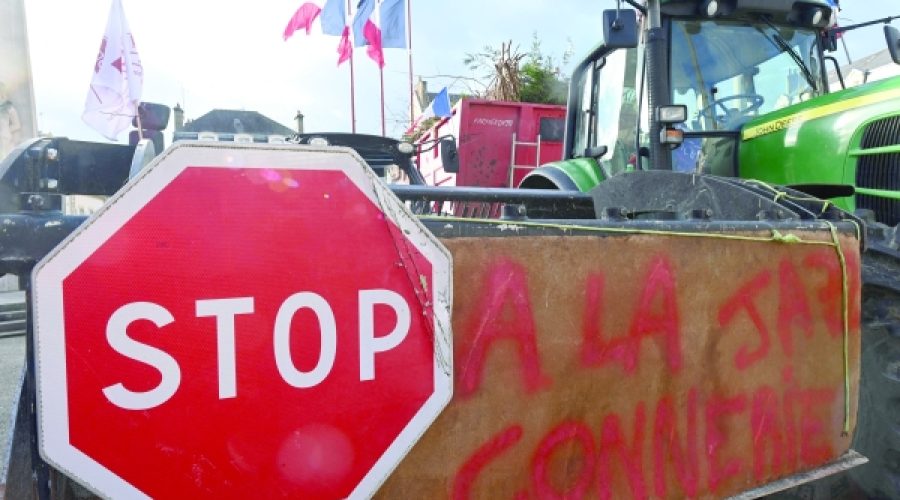
Key to finalizing the deal were last-minute concessions made to Europe’s agricultural sector, which feared competition from the four Mercosur countries, particularly in products like beef that can be produced more cheaply in South America.
Originally, the deal was set to be signed in Brazil in December, but approval from a qualified majority of EU member states was not secured then. Italy withheld its consent pending further assurances and support for European farmers.
For the agreement to pass, it needed at least 15 of the 27 EU countries representing 65 percent of the bloc’s population to agree. Italy’s backing was crucial, especially given opposition from two other large EU members, France and Poland.
German industry had long advocated for the conclusion of the deal. German Chancellor Friedrich Merz described Friday’s agreement as a “milestone in European trade policy and an important signal of our strategic sovereignty and ability to act.” He added that the pact “strengthens our economy and trade relations with our South American partners — benefiting both Germany and Europe.”
The European Commission projects that the agreement could boost annual EU exports to South America by up to 39 percent, equivalent to roughly $57 billion, which would support over 440,000 jobs across Europe.
Special Analysis by Omanet | Navigate Oman’s Market
The EU-Mercosur free trade deal, creating the world’s largest trade bloc, signals expanding global trade opportunities that Oman businesses should monitor closely, especially in agriculture and manufacturing sectors. Smart investors in Oman can leverage this integration to explore new supply chains and export markets linked to South America and Europe while being mindful of increased competition from cheaper agricultural imports. Strategically, Oman’s entrepreneurs should consider partnerships and diversification to capitalize on shifting global trade dynamics and emerging demand patterns.