EU and Mercosur Trade Deal Signed After 25 Years: What It Means for Businesses and Investors in Oman
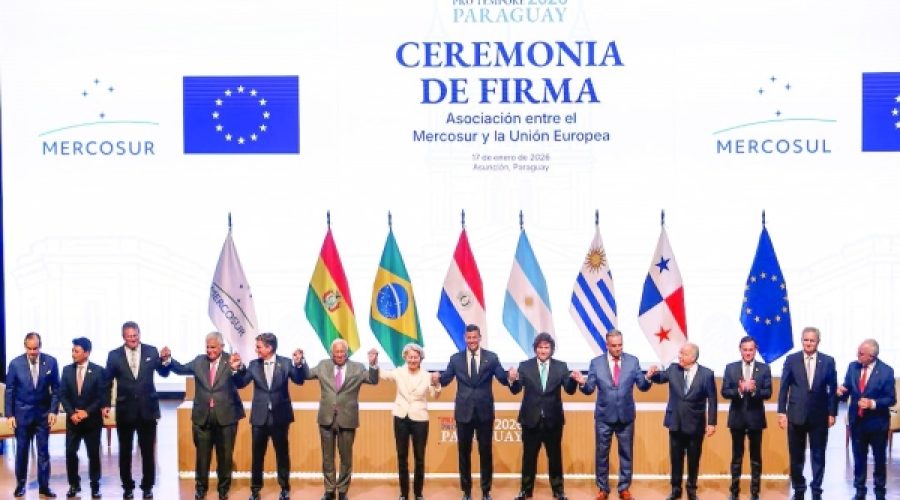
ASUNCION: Senior officials from the European Union (EU) and the South American trade bloc Mercosur signed a landmark free trade agreement on Saturday in Paraguay, concluding 25 years of negotiations and setting the stage for the EU’s largest trade deal to date.
The agreement aims to reduce tariffs and enhance trade between the two regions but now requires approval from the European Parliament and ratification by the legislative bodies of Mercosur member countries Argentina, Brazil, Paraguay, and Uruguay.
European Commission President Ursula von der Leyen and European Council President Antonio Costa attended the signing ceremony alongside the presidents of Mercosur nations, with the exception of Brazilian President Luiz Inacio Lula da Silva, who was represented by his foreign minister.
Despite concerns from European farmers and environmental groups regarding an influx of low-cost South American imports and potential deforestation, most European countries endorsed the deal last week.
Von der Leyen, who met with President Lula prior to the ceremony, emphasized the agreement’s significance, describing it as the creation of the world’s largest free trade zone. She stated, “This agreement sends a very strong message to the world. It reflects a clear and deliberate choice. We choose fair trade over tariffs. We choose a productive, long-term partnership over isolation.”
In a related development, US President Donald Trump announced plans to increase tariffs on eight European nations if the United States is barred from purchasing Greenland.
European Council President Costa highlighted the agreement’s role in strengthening economic security amid geopolitical uncertainty, calling it “a true milestone.”
Although Mercosur officials have voiced some concerns about specific regulations in the pact, President Lula expressed optimism, stating the deal will generate greater opportunities and boost trade and investment for both sides.
Brazil’s government described the agreement as emblematic of Lula’s strategy to expand and diversify trade markets. It also noted ongoing negotiations with the United Arab Emirates, Canada, and Vietnam, as well as efforts to extend a tariff-preference agreement with India.
Trade between the EU and Mercosur, which represents a combined market of 700 million people, reached €111 billion in 2024. EU exports primarily include machinery, chemical products, and transport equipment, while Mercosur’s exports are largely agricultural goods, minerals, wood pulp, and paper. — Reuters
Special Analysis by Omanet | Navigate Oman’s Market
The EU-Mercosur free trade agreement signals a major shift toward diversified global trade partnerships, reducing reliance on traditional markets. For Oman, this creates opportunities to enhance its strategic trade position by tapping into new supply chains and investment flows between Europe and South America. Smart investors should consider leveraging emerging trade corridors and positioning in key sectors like logistics, agriculture, and manufacturing to capitalize on growing intercontinental commerce while staying alert to potential competition from imported goods.