IMF Report on GCC: Key Reforms Investors Must Watch to Ensure Long-Term Economic Stability in Oman and Beyond
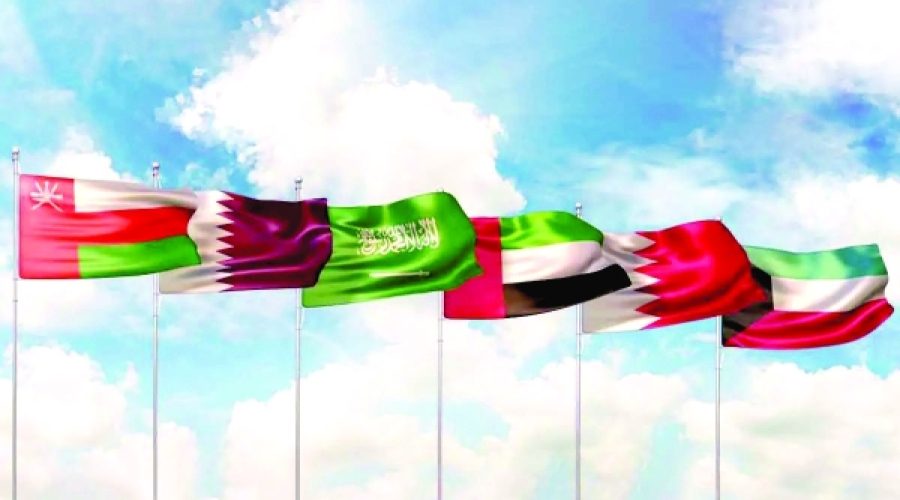
MUSCAT: The Gulf Cooperation Council (GCC) economies continue to exhibit resilience despite a challenging global environment, according to a recent regional assessment by the International Monetary Fund (IMF). The report acknowledges that although external balances have narrowed due to oil production cuts and rising imports, overall economic conditions across the GCC "remain strong," bolstered by robust non-hydrocarbon activities and solid domestic demand.
In its report titled Enhancing Resilience to Global Shocks, the IMF highlights growing uncertainty in the regional economic outlook. While the prospects remain generally positive, risks are predominantly tilted to the downside, reflecting the impact of global uncertainties. The Fund notes that medium-term risks stem from ongoing global structural shifts, presenting "two-sided risks" for GCC economies.
A key message of the IMF’s assessment is the urgent need for reforms that reinforce resilience beyond oil market fluctuations. The Fund urges GCC countries to prioritize building resilience and accelerating economic diversification regardless of oil price trends. It also points out that many GCC countries currently benefit from substantial fiscal buffers, which facilitate reform implementation and help manage external shocks.
Regarding monetary and financial policies, the IMF commends existing frameworks for having "served the GCC well" but emphasizes the importance of enhancing policy transmission and deepening financial markets. The banking sector remains robust; however, amid global volatility, authorities are advised to maintain vigilance through macroprudential oversight to address emerging risks.
Structural reforms are also a central focus of the report. Although improvements in the business environment are noted, further advancements are necessary to support private sector development and enhance long-term competitiveness. The IMF stresses ongoing efforts are essential to boost productivity, improve labor market outcomes, and expand the non-oil sectors.
The report additionally highlights the need for continued development of financial markets to mobilize long-term capital and support economic diversification. Maintaining prudent fiscal policies and debt management strategies will play a complementary role in broader reforms. Moreover, expanding regional and international economic integration is emphasized, as fostering more diverse economic relationships can help mitigate the effects of global uncertainty.
In conclusion, the IMF states that the GCC’s capacity to navigate a rapidly evolving global landscape hinges on sustaining reform momentum and strengthening the foundations of non-hydrocarbon growth. Building resilience "irrespective of oil prices" remains fundamental to this ongoing transition.
Special Analysis by Omanet | Navigate Oman’s Market
The IMF’s latest assessment signals both opportunity and urgency for Oman’s business landscape, emphasizing that while the GCC remains resilient, economic diversification beyond oil is critical to withstand global uncertainties. Smart investors and entrepreneurs should focus on sectors benefiting from robust non-hydrocarbon activity and capitalize on ongoing reforms enhancing market depth and private sector growth, while remaining vigilant of evolving macroeconomic risks. Strengthening financial markets and fostering regional integration will be key pillars for sustainable, long-term success in Oman’s dynamic market.