Global Stagflation Looms: What Escalating Crisis Means for Investors and Businesses in Oman
Nigel Green, CEO of deVere Group, one of the world’s largest independent financial advisory firms, has issued a stark warning about the looming threat of global stagflation. He urges investors to ensure their portfolios are resilient in the face of this challenge.
The alert comes as oil prices have surged past $120 a barrel amid extreme market volatility. This follows a historic intraday spike of nearly 29%, the largest since April 2020, driven by escalating conflict in the Middle East that has disrupted supply chains and rattled global markets.
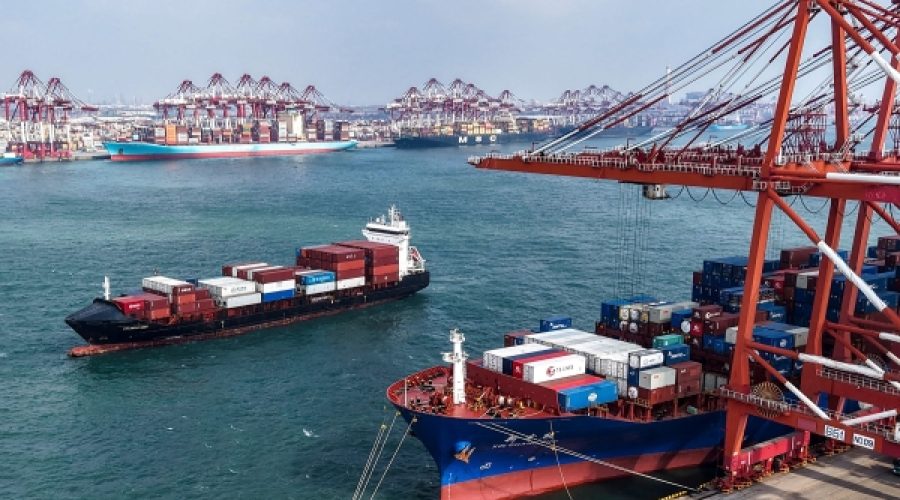
The sharp increase is linked to attacks on regional energy infrastructure and rising geopolitical tensions that have severely restricted tanker movements through the Strait of Hormuz. This critical maritime corridor typically handles about 20% of the world’s oil exports.
Green explains, “The world is confronting a real risk of global stagflation — a harmful combination of rising inflation and slowing economic growth. Prices soar while economies falter, leaving policymakers with few effective options.”
He emphasizes that “Oil is the ignition point. When energy prices spike this rapidly, inflation accelerates worldwide. Businesses face escalating costs, households encounter higher bills, and economic growth is squeezed simultaneously.”
Energy markets have been thrown into disarray as increased military tensions in the Gulf disrupt production and shipping routes. Several major oil exporters have already reduced output due to security and operational challenges. Additionally, threats to commercial vessels and attacks on energy facilities have drastically lowered shipping traffic through this vital oil transit route.
Green highlights the gravity of the situation, noting that “About one-fifth of global oil supply typically flows through that narrow stretch of water. Any disruption immediately tightens supply and drives prices upward.”
Financial markets have reacted swiftly; for example, Asian equities fell sharply as investors reassessed global growth prospects and inflation risks following the oil price spike.
Governments are responding urgently. Finance ministers from the Group of Seven are planning discussions with the International Energy Agency about the potential coordinated release of strategic petroleum reserves, a mechanism aimed at stabilizing supply during major disruptions.
While emergency stockpile releases may offer temporary relief, they do not resolve the underlying issue. The global energy supply chain has been hit by a geopolitical shock, which historically takes time to recover from.
Green notes, “The sheer scale and speed of this move matters immensely. A near-30% jump in oil prices within a single trading session will, over time, increase transport costs, electricity generation expenses, food production, and industrial supply chains, adding inflationary pressures throughout the economy.”
This situation places policymakers in a difficult position. Central banks face a painful dilemma: inflation is accelerating due to rising energy costs, while economic growth slows because these higher prices act like a tax on consumers and businesses alike.
“In a stagflationary environment, raising interest rates to combat inflation could deepen the economic slowdown, while lowering rates risks fueling even more inflation. This creates a challenging economic trap,” Green explains.
The global economy’s vulnerability is partly rooted in its heavy dependence on energy supplies from the Gulf region. Around 20% of global oil and large volumes of liquefied natural gas typically pass through the Strait of Hormuz daily.
“Energy security has once again become a critical macroeconomic issue,” Green states. “The global economy remains highly exposed to disruptions in this region, where events can rapidly alter inflation expectations.”
He concludes with a call to action for investors: “Now is the time for decisive portfolio adjustments. Stagflation fundamentally alters the investment landscape. Portfolios must be structured to withstand ongoing inflationary pressures amid weakening growth. Increasing exposure to energy, commodities, and selected equities tied to real assets is crucial. Ignoring this may prove costly.”
Special Analysis by Omanet | Navigate Oman’s Market
The looming threat of global stagflation, driven by soaring oil prices and Middle East geopolitical tensions, poses significant challenges for Omani businesses, particularly those dependent on energy and supply chains. However, this crisis also creates strategic opportunities for investors to focus on energy assets and real assets aligned with inflation resilience. Smart entrepreneurs and investors in Oman should prioritize portfolio diversification and inflation-hedging strategies to navigate the uncertain economic landscape ahead.