The Strait of Hormuz: What Its Stability Means for Global Trade and Your Business Investments
The Strait of Hormuz, often seen as a serene vacation spot, attracts expatriates in Dubai traveling to Oman’s Musandam Peninsula, where they enjoy fishing, snorkeling, and sleeping on traditional dhows. Mohamad el Khatib, a tour organizer with 22 years of experience, notes that the strait offers exceptional stargazing when the moon is absent.
For decades, the Strait of Hormuz was considered a secure passage, vital to global energy supplies and under U.S. protection for over 75 years. However, following the U.S. and Israeli military strike on Iran in late February, tanker operators ceased transiting the waterway. This stoppage has disrupted 20% of the world’s oil and gas flow, triggering a spike in fuel prices and escalating a global energy crisis.
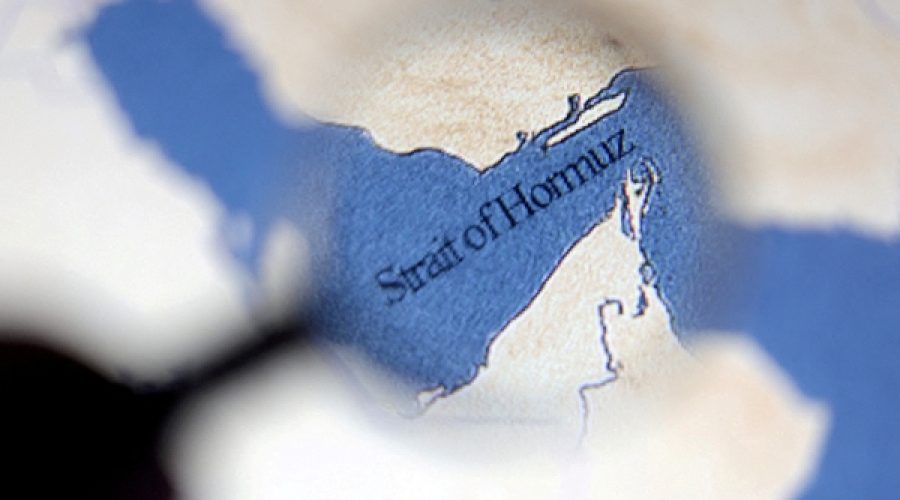
The strait’s closure has exposed its role as a critical chokepoint and highlighted the global economy’s heavy reliance on specific, vulnerable geographic areas. Experts had long believed the Strait of Hormuz was “too big to fail,” considering its strategic importance. Unlike other routes that can be bypassed, there is no alternative sea path for Persian Gulf exports, and pipelines in place cannot match the strait’s capacity.
Neil Crosby, head of oil research at Sparta, remarked that the general consensus was that Western or allied naval forces would always keep the strait open. Yet, at only about 35 miles wide, it is small enough to be effectively blocked. This shutdown, now approaching three weeks, is the most significant since the Middle East emerged as a major oil producer in the 1940s. Martin Navias, co-author of “Tanker Wars,” described the current closure as unprecedented. Over 480 tankers remain stranded in the Persian Gulf, with another 300 waiting in the Sea of Oman, according to S&P Global Market Intelligence.
Historically, major powers have used military force to maintain open trade routes. The U.S. Navy started patrolling the strait routinely in 1949, and the 1973 oil crisis underscored America’s dependence on Middle Eastern oil. In 1980, President Jimmy Carter asserted that the U.S. would use force to protect oil flow through the strait—a policy known as the Carter Doctrine. President Ronald Reagan later authorized naval escorts for Kuwaiti tankers, emphasizing the importance of energy security to the national economy.
This recent failure to keep the strait open represents a strategic misjudgment, empowering Iran despite its military inferiority. Wouter Jacobs, executive director of the Erasmus Commodity and Trade Centre, said Iran’s potential closure of the strait if attacked was well-known to U.S. planners. White House spokesperson Anna Kelly stated the Trump administration anticipated Iran’s attempts to hinder navigation and had already acted to neutralize over 30 mine-laying vessels.
The U.S. economy was showing signs of strain before the conflict, and economists warn that the strait’s closure could exacerbate economic challenges. Justin Wolfers of the University of Michigan cautioned against actions that might worsen the situation, though he acknowledged such risks may have been overlooked. Kelly affirmed that the military response would ultimately benefit the U.S. and global economy.
Disruptions to supply chains have recently shown how vulnerable global trade is. The pandemic caused shipping backlogs and soaring freight costs, the Panama Canal suffered delays due to drought, and ongoing conflicts in Yemen have diverted traffic away from the Red Sea to longer, more expensive routes around Africa. Noam Raydan of the Washington Institute for Near East Policy noted how relatively small forces have successfully deterred shipping in vital lanes, similar to Iran’s recent attacks on vessels in the Strait of Hormuz, including the 2024 seizure of a container ship linked to Israel.
Since the conflict began, Iran has reportedly attacked 17 vessels. While past tanker operators braved such threats even before U.S. naval escorts were introduced in 1987, Iran’s enhanced capabilities, including drone technology, pose greater risks today.
A Ford Motor executive once warned against relying solely on the Strait of Hormuz for global shipping, a caution that remains relevant as Gulf States expand exports from crude oil to natural gas, essential for electricity and heating worldwide. Jim Krane of Rice University emphasized the global reach of goods passing through the strait.
Amid growing geopolitical and environmental uncertainties, global supply chains remain increasingly fragile. Cornell’s Vidya Mani pointed out that major transit points operate at full capacity with no margin for disruption. Every natural disaster or conflict tightens the squeeze on these crucial routes.
This article originally appeared in The New York Times.
Special Analysis by Omanet | Navigate Oman’s Market
The closure of the Strait of Hormuz, a critical global oil and gas chokepoint, exposes Oman’s unique geopolitical significance and supply chain vulnerability, presenting both risks and opportunities for local businesses. Rising global energy prices and disrupted trade routes underscore the urgent need for Oman to diversify its economy and strengthen logistics infrastructure. Smart investors and entrepreneurs should consider investing in energy alternatives, security technologies, and resilient supply chain solutions to capitalize on shifting global dynamics and mitigate future disruptions.