Limited Iranian Gas Imports to Iraq Resume: What It Means for Regional Energy Markets and Investment Opportunities
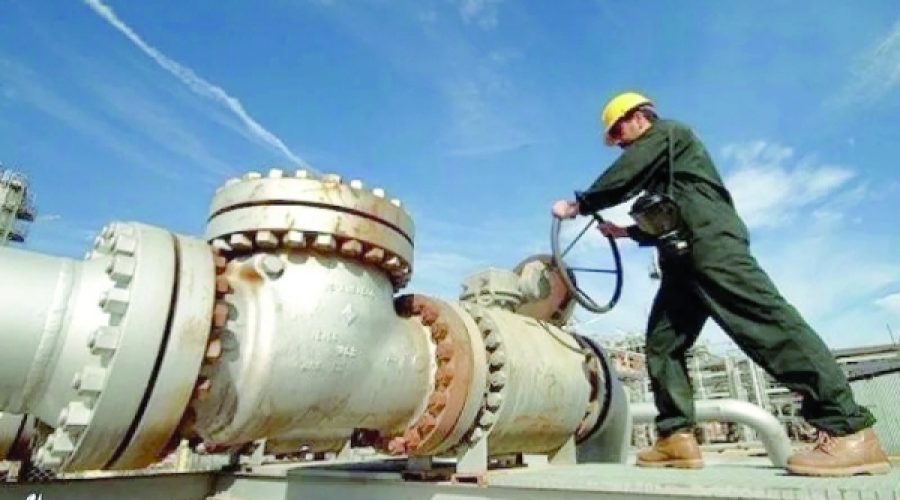
Baghdad: Gas supplies from Iran to Iraq have resumed, the Iraqi Ministry of Electricity announced on Saturday, following a three-day interruption caused by a strike on an Iranian facility.
Iraq has found itself inadvertently entangled in the conflict sparked by the US-Israel attack on Iran on February 28. The complete gas cutoff on March 19 further strained Iraq’s already fragile economy.
Despite its oil wealth, Iraq depends heavily on Iranian gas imports, which account for approximately one-third of the country’s electricity supply.
“Iranian gas flow to Iraq has resumed at a rate of five million cubic meters per day,” stated Ahmed Moussa, spokesman for the Electricity Ministry.
Before the conflict, Iran had committed to exporting around 50 million cubic meters of gas daily during the peak summer months, with about half that amount supplied in winter. However, these targets were not consistently achieved.
Electricity shortages remain a persistent issue in Iraq, where aging infrastructure forces most households to depend on private generators to offset frequent power outages.
On Thursday, Iraq condemned the recent strikes on regional energy facilities, emphasizing the critical importance of maintaining a continuous energy supply to global markets. — AFP
Special Analysis by Omanet | Navigate Oman’s Market
The resumption of Iranian gas flow to Iraq highlights critical regional energy interdependencies that could affect stability and supply chains in the Gulf. For Omani businesses, this underscores the importance of diversifying energy sources and strengthening infrastructure resilience to mitigate risks from geopolitical disruptions. Smart investors should consider opportunities in energy infrastructure modernization and alternative energy projects to capitalize on shifting dynamics and enhance regional energy security.